Bathroom Renovation Cost in Canada: A Complete Guide
•Updated May 12, 2026
Key takeaways
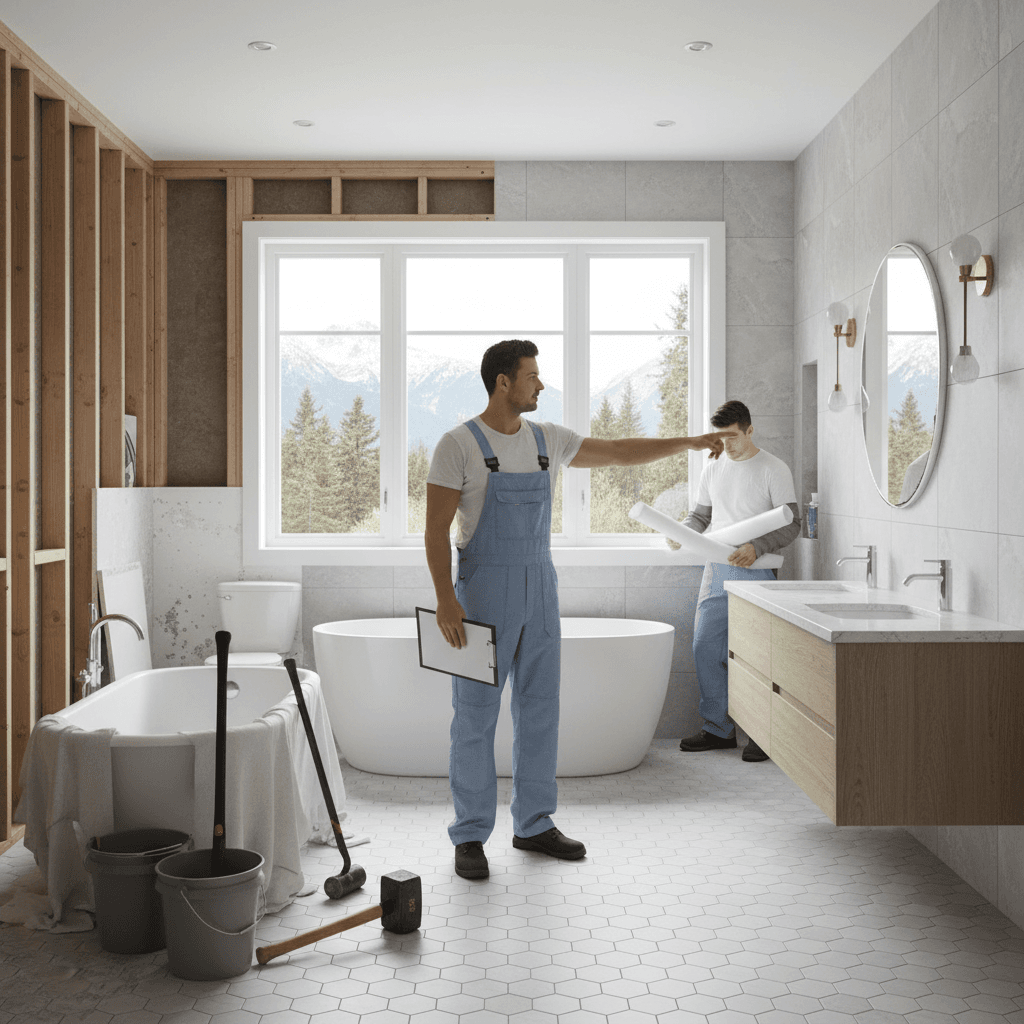
The cost of a bathroom renovation in Canada can vary depending on the scope of the project.
The size of your bathroom is a major factor in determining the overall cost.
Refreshing a bathroom layout without altering its structure is the most cost-effective option.
DIY renovations are often considered a cost-saving option, with potential savings of up to 50% on labour expenses.
What is the Average Cost of a Bathroom Renovation in Canada?
The cost of a bathroom renovation in Canada can vary depending on the scope of the project. On average, a mid-range bathroom renovation typically costs between $15,000 and $25,000, while high-end projects can exceed $30,000 Homestars. For a remodel, which involves updating existing fixtures and surfaces without major layout changes, costs generally range from $10,000 to $15,000 Bathify.
Smaller bathrooms, such as powder rooms or those under 7.4 m², typically cost less to renovate. A small bathroom renovation can start at approximately $6,000, depending on the materials and labour involved RenoAssistance. However, complex designs or high-end finishes will increase the price.
Key Factors Influencing Bathroom Renovation Costs
Size of the Bathroom
The size of your bathroom is a major factor in determining the overall cost. Larger bathrooms require more materials and labour, which increases expenses. For example, renovating a 7.4 m² bathroom will cost more than a smaller 5x10 bathroom due to the additional square footage and associated labour Bathify.
Materials Used
High-end materials like marble, quartz, or custom cabinetry can increase renovation costs. Conversely, budget-friendly options such as laminate countertops or ceramic tiles can help keep expenses lower.
Complexity of the Project
The complexity of the renovation also impacts pricing. Simple updates, like replacing fixtures, are less expensive than moving plumbing or adding new electrical configurations.
Projects that involve relocating plumbing fixtures or upgrading electrical systems are typically more expensive. Compliance with the National Building Code and local regulations often dictates the standards for plumbing and electrical work, contributing to higher costs Magic Window.
Labour Costs
Labour costs can account for 40–60% of your total renovation budget, depending on the contractors' rates in your region. For instance, labour expenses in major cities like Toronto or Vancouver are generally higher than in smaller towns RenoAssistance.
Location
Where you live in Canada can also influence costs. Urban areas often come with higher labour and material prices compared to rural regions.
Cost Comparison: Different Bathroom Renovation Layouts
Basic Layout Refresh
Refreshing a bathroom layout without altering its structure is the most cost-effective option. This includes replacing fixtures, repainting walls, and updating tiles, with costs ranging from $10,000 to $15,000 on average Homestars.
Adding a Shower or Bathtub
Adding a new shower or bathtub increases costs due to the need for plumbing modifications. Expect to pay an additional $3,000 to $5,000 for these upgrades Bathify.
Moving Plumbing Fixtures
Relocating plumbing fixtures, such as sinks or toilets, can add $5,000 to $10,000 or more to your project. This is due to the labour-intensive nature of the work and compliance with the National Building Code Magic Window.
Creating an Accessible Bathroom
Accessible bathroom renovations, which include features like grab bars, walk-in tubs, and wheelchair-friendly layouts, typically cost more. These modifications can add $10,000 to $20,000 to the total renovation budget, depending on the level of customization required RenoAssistance.
DIY vs. Professional Bathroom Renovation: Which is Right for You?
DIY renovations are often considered a cost-saving option, with potential savings of up to 50% on labour expenses. However, professional renovations ensure compliance with the National Building Code and local regulations, particularly for plumbing and electrical work. Hiring a professional contractor is generally recommended for complex projects, as mistakes in these areas can lead to costly repairs.
For example, the cost to professionally renovate a standard 5x10 bathroom in Canada is around $15,000 to $20,000, while a DIY approach might reduce this to $10,000–$12,000, assuming no major issues arise Bathify.
Government Rebates and Incentives for Energy-Efficient Renovations
Government programs like NRCan's Greener Homes initiative and ENERGY STAR Canada offer rebates for energy-efficient upgrades. For instance, installing water-efficient fixtures or low-flow toilets can qualify for financial incentives, reducing your renovation costs by up to 1% of the total project RenoAssistance.
These programs aim to encourage sustainable building practices and compliance with energy efficiency standards.
Planning and Budgeting Tips for Your Bathroom Renovation
Set a Realistic Budget
Establish a budget that reflects your renovation goals and financial capacity. Include a contingency fund for unexpected costs, typically 10–15% of the total budget Homestars.
Get Multiple Quotes
Compare quotes from several contractors to ensure competitive pricing and transparency.
Plan for Unexpected Costs
Unforeseen issues, such as water damage or outdated plumbing, can increase costs. Allocating an emergency fund helps manage these surprises.
Consider Financing Options
Financing options, such as home equity loans, can be a practical way to fund your renovation without depleting savings.
Comprehensive Insights for Your Bathroom Renovation in Canada
This guide provides a thorough cost comparison of bathroom layouts and renovation types, including accessible designs and smart home integration. By addressing DIY versus professional approaches, plumbing and electrical considerations, and government rebates, it equips Canadian homeowners with actionable strategies for planning and budgeting their renovations effectively.