Canadian climate's humidity shifts primarily cause open baseboard miters
Acclimatize trim 48-72 hours before installation to prevent gaps
Use flexible caulk for hairline gaps; wood filler for up to 1/8 inch
Repairing a single miter is typically faster and cheaper than replacement
Maintain 30-50% indoor humidity to minimize seasonal wood movement
That perfect 45-degree miter you cut in the workshop has a funny way of becoming a 47-degree suggestion once it meets a real-world wall. Don't worry, it's not a personal failure. Open baseboard miters are a fact of life, but they are absolutely fixable. The culprit is usually wood movement thanks to our lovely Canadian climate, or walls that aren't quite as square as the blueprints promised.
What Causes Open Baseboard Miters in Canadian Homes?
You did everything right. The cut was clean, the angle was perfect. You installed it, stepped back, and admired your work. A masterpiece. Then you come back in six months, and your beautiful, tight corner has decided to socially distance. What gives?
In Canada, the answer is almost always the same: humidity, or a lack thereof. Wood is a natural material; it expands when it's humid in the summer and shrinks when the winter air is drier than my sense of humour Donizo. This movement, called seasonal expansion and contraction, pulls the joints apart. That perfect corner you cut in a humid July will look very different by a bone-dry February.
Other common causes include:
Walls that aren't square: I have yet to meet a perfectly 90-degree corner in a residential home. They're like unicorns. If you cut two 45-degree angles for a corner that's actually 92 degrees, a gap is inevitable.
Building settling: Especially in new builds, the house will settle and shift slightly over the first few years, which can open up joints that were once tight.
Improper fastening: Not using enough nails or using them too far from the joint won't give the miter the support it needs to stay closed.
The best prevention is to let your trim acclimatize. Leave it in the room where it will be installed for at least 48-72 hours before cutting and installing. This lets the wood get used to the home's temperature and humidity, reducing the shock and subsequent movement.
Essential Tools and Materials for Miter Repair in 2026
You don't need a workshop full of expensive gear to fix a simple gap. Honestly, half the battle is just having the right tube of something on hand so you don't try to get creative with toothpaste. (Don't ask).
How to Fix Open Baseboard Miters: Canadian Guide 2026
Here’s a basic kit:
Utility Knife: For cleaning out any old, cracked caulk or debris from the gap.
Putty Knife: A flexible one is best for applying fillers.
Sanding Sponge: A fine-grit (220) sponge is perfect for smoothing the repair without damaging the surrounding paint.
Caulking Gun: A decent one that doesn't require the strength of a gorilla to operate.
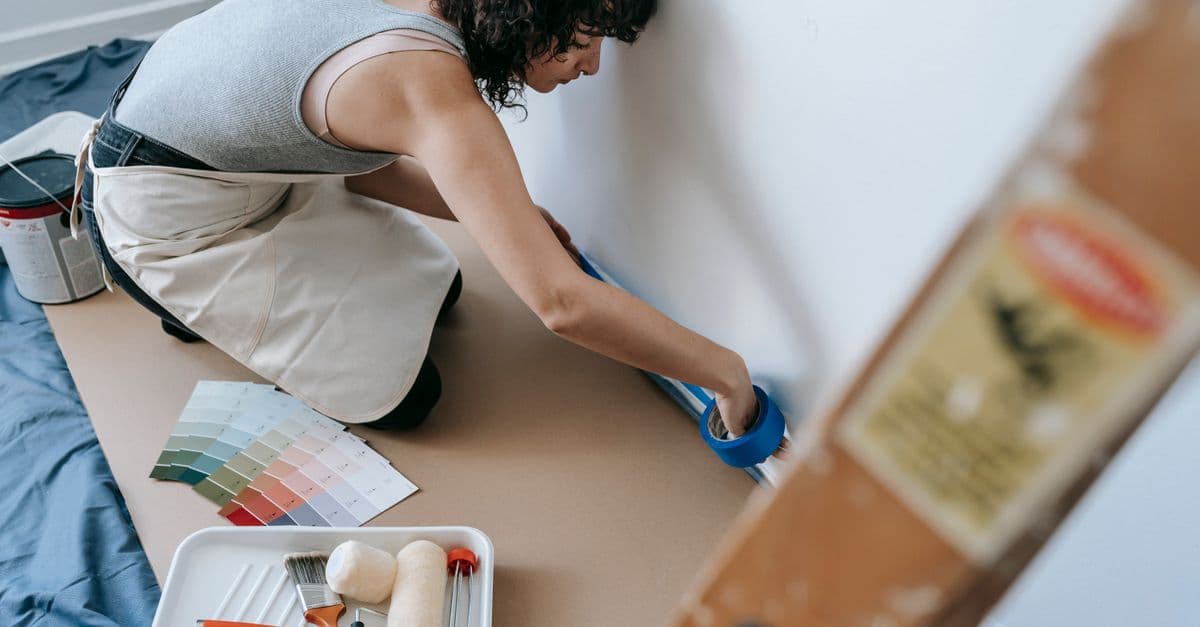
Painter's Tape: To get clean lines and protect the wall.
For the repair materials themselves, you've got a few choices. I've seen a lot of pros, including guys like the vancouver_carpenter on YouTube, lean on a few trusted options. The community on Reddit also has strong opinions, mostly revolving around a few key products you can find at any Canadian hardware store Reddit.
Paintable Caulk: For small, hairline gaps. Look for a "flexible" or "elastomeric" caulk. It has some give, which is great for joints that might move a bit with the seasons.
Wood Filler: For larger gaps. It dries hard and can be sanded and painted to be almost invisible. Choose a paintable, non-shrinking variety.
Wood Glue & Sawdust: An old-school trick that still works wonders. Mix a little wood glue with fine sawdust from the same baseboard to create a custom filler that matches the wood perfectly.
Miter Repair Checklist for Canadian Homes
Clean out the old gap with a utility knife.
Vacuum any dust or debris from the joint.
Apply painter's tape along the top of the baseboard and on the wall for a clean application.
Apply your chosen material (caulk/filler) with a steady hand.
Smooth the material with a wet finger (for caulk) or a putty knife (for filler).
Remove the painter's tape before the material fully dries.
Let it cure completely as per the instructions (don't rush this part!).
Lightly sand the filler until it's flush.
Prime and paint to match the rest of the baseboard.
How to Fix Open Baseboard Miters: A Step-by-Step Guide
Alright, let's get this done. Fixing an open miter isn't complicated, but a little patience goes a long way. There are plenty of visual guides on YouTube showing how to make gaps disappear YouTube, but here’s the process written down.
Step 1: Assessing the Gap and Preparing the Area
First, take a good look. Is it a hairline crack or a chasm you could lose a nickel in? The size of the gap determines your weapon of choice. Clean out any old, cracked filler or paint with a sharp utility knife. Get all the dust and junk out of there. A clean surface is key for a lasting repair.
Step 2: Applying the Chosen Repair Method
For a tiny gap (less than 1/16"), flexible, paintable caulk is your friend. Cut a small opening on the tube, apply a thin bead, and smooth it with a damp finger.
For a bigger gap (up to 1/8"), go with a quality wood filler. Press it firmly into the gap with a putty knife, slightly overfilling it to account for any minor shrinkage. The goal is to make it proud of the surface so you can sand it down perfectly flush Home Repair Tutor.
Step 3: Finishing and Blending the Repair
This is where the magic happens. Once the filler is rock hard (give it the time it says on the tube, seriously), sand it smooth. Use a fine-grit sanding sponge and follow the contours of the trim. Your goal is to make it impossible to feel the transition between the filler and the wood.
Wipe away the dust, apply a coat of primer, and then paint it to match the rest of your trim. If you do it right, no one will ever know that corner wasn't perfect from day one.
Comparing Miter Repair Methods: Filler, Caulk, or Shims?
Choosing the right method is half the battle. Each has its place, and using the wrong one is like trying to hammer a screw. It might work, but it's going to be ugly.
To get a tighter fit from the start, the trick is to "back-cut" or "cope" your inside corners, but for outside corners, a good miter is key. When you cut, make sure the baseboard is held tight against the saw's fence and base. Any wobble will ruin the angle.
Miter Repair Method Decision Table
Gap Size
Recommended Material
Best For...
My Two Cents
Hairline
Flexible Caulk
Quick touch-ups, joints with minor seasonal movement.
The fastest fix. Perfect for the "in-laws are coming in an hour" scenario. Just make sure it's paintable.
Up to 1/8"
Wood Filler
Creating a hard, seamless, paintable surface.
The professional's choice for a truly invisible repair. Takes more time but the results are worth it.
Over 1/8"
Wood Shim + Filler
Large, structural gaps where filler alone would crack.
Now we're in surgery territory. Glue in a thin wood shim, then use filler for the final blend.
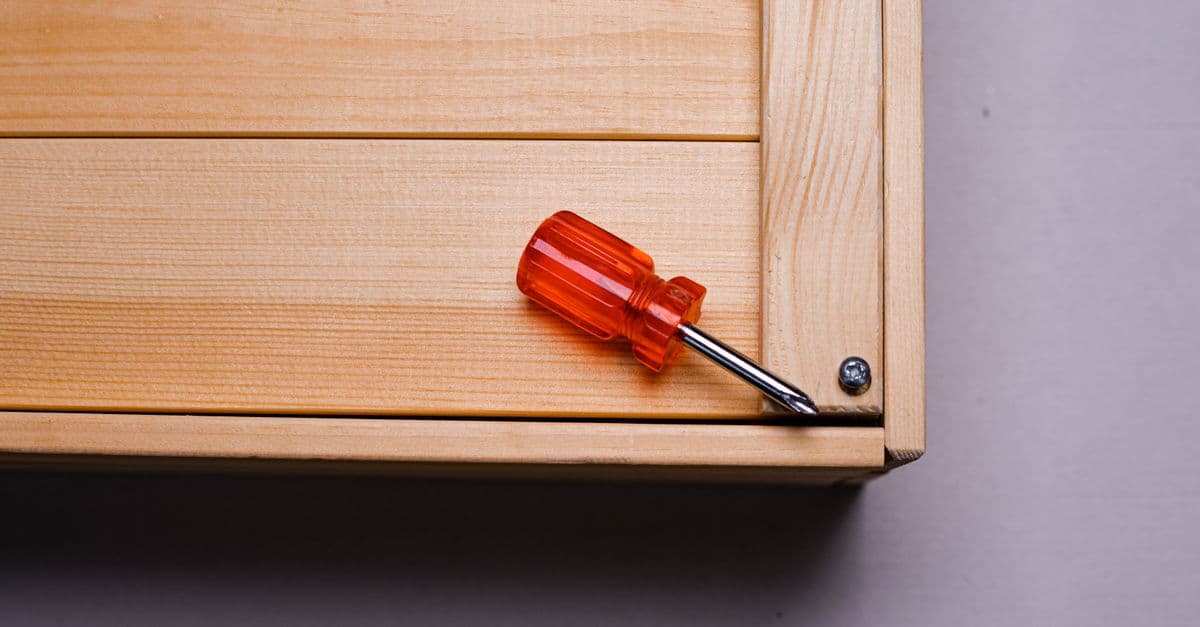
Some old-school carpenters swear by tricks like rubbing the corner with the shaft of a screwdriver to "close" the wood fibres on a slightly open miter. It can work on raw wood, but I find a good filler is more reliable YouTube.
When to Repair vs. Replace Baseboard Sections in Canada
Sometimes, you have to know when to fold 'em. If the baseboard is badly damaged, water-stained, or the gap is massive because the original cut was just plain wrong, repairing it can be more work than it's worth.
The decision usually comes down to time and money. Is it faster to spend 30 minutes carefully filling, sanding, and painting a gap, or 30 minutes driving to the store, buying a new piece, cutting it, and installing it?
Cost Comparison: Repair vs. Replace a Baseboard Section (CAD)
Here's a quick, back-of-the-napkin calculation for a typical 2026 scenario in Canada.
Scenario: A single ugly outside miter corner.
Option A: Repair
Tube of high-quality wood filler: $15
Small can of primer: $12
Your time: ~1 hour (including drying time for touch-ups)
Total: ~$27 + your time
Option B: Replace
One 8-foot length of MDF baseboard: $20
Gas for the trip to the hardware store: $5
Paint to match (if you don't have any): $15 for a sample pot
Your time: ~1.5 hours (trip, cutting, installing, filling nail holes, painting)
Total: ~$40 + your time
For a single corner, a repair is almost always cheaper and faster. If you have multiple bad joints or the wood is damaged, replacement starts to look a lot more attractive.
Maintaining Flawless Baseboard Miters in Canada's Climate
Living in Canada means accepting that wood will move. To keep your miters looking sharp long-term, try to maintain a stable indoor humidity level, ideally between 30% and 50% CMHC. A whole-home humidifier in the winter can work wonders, not just for your trim but for your sinuses too.
When you're cutting, the best way to ensure a flat, stable cut is to place the baseboard on the miter saw exactly as it will sit on the wall. For standard baseboard, this means flat on the base of the saw, with its back edge tight against the fence. Don't try to cut it standing up unless you have the proper crown-molding stops. A stable baseboard equals a clean, accurate cut.
Achieving Perfect Baseboard Finishes: Key Learnings for 2026
At the end of the day, a perfect miter is a thing of beauty, but a perfectly repaired miter is a sign of a true craftsperson. The internet is flooded with quick videos, but knowing why the gap happened and which Canadian-sourced material is right for the job makes all the difference. Don't get discouraged by a little separation; wood moves, walls are crooked, and that's just part of the job.
With the right filler, a bit of patience, and a steady hand, you can make those gaps disappear. You're not just filling a crack; you're winning a small, satisfying battle against physics and seasonal humidity. And that's a win worth celebrating.
Related Articles
Discover more insights and tips for your construction business