Kitchen Remodel Cost in Canada: Your 2026 Guide to Budgeting
Understand the true kitchen remodel cost in Canada for 2026. Get a detailed breakdown of expenses, financing options, and how to budget effectively for your…
GTA kitchen remodels can exceed $50,000; factor in local market rates
Always secure permits for structural, plumbing, or electrical changes; avoid liability
Leverage the 2026 Canada Greener Homes Grant for eligible energy upgrades
Include a 10-15% contingency fund for unforeseen renovation surprises
In 2026, the average cost for a full kitchen remodel in Canada ranges from $25,000 to $50,000. This figure can vary significantly, starting as low as $15,000 for a cosmetic refresh and exceeding $70,000 for a high-end overhaul according to industry estimates. The final price is determined by project scope, material choices, and local labour costs.
Understanding Kitchen Remodel Costs in Canada for 2026
I've seen it a hundred times. A client has a budget in their head, usually based on a TV show where a full gut-job takes 22 minutes and costs less than a used car. Then reality hits. The final invoice for any renovation is a cocktail of three main ingredients: materials, labour, and paperwork.
The size of the project is the biggest variable. Are we just refacing cabinets and swapping out a countertop? Or are we tearing down to the studs, relocating plumbing, and installing an island big enough to land a small plane on? The first is a renovation; the second is a construction project that just happens to be indoors. Each step up in scope adds not just material costs, but layers of complexity and more skilled labour hours which are key determinants of the final price.
It’s also useful to frame this for clients by comparing it to a commercial project. A residential kitchen is about lifestyle; a commercial kitchen is an industrial workspace. The latter involves things we barely touch in a home: heavy-duty stainless steel, commercial-grade ventilation that could suck a toupee off a bald man, complex fire suppression systems, and public health code compliance. While your residential project has its own complexities, understanding the scale of commercial work helps clarify why even a "simple" home kitchen remodel is a significant undertaking with its own unique cost structure.
Your job is to be the voice of reason. To translate their Pinterest board into a real-world number before the first hammer swings.
What Factors Influence Kitchen Renovation Costs in Canada?
Let's break down the bill. When a client gets sticker shock, it’s usually because they’ve underestimated one of these three areas.
Materials: This is the fun part for the client and the headache part for you.
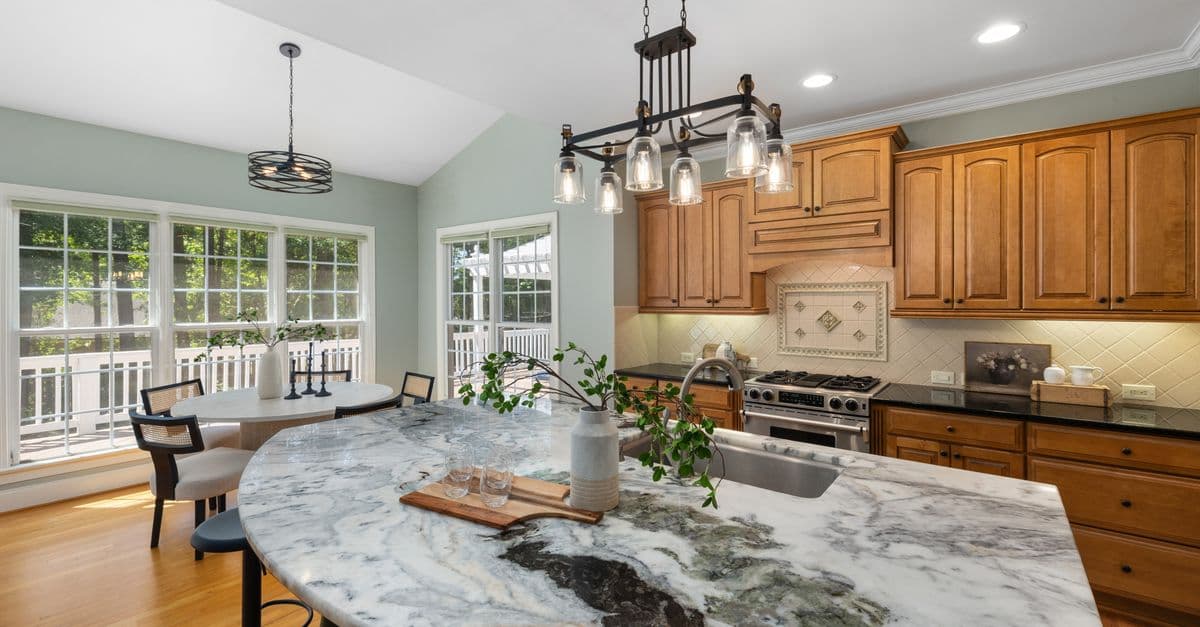
Cabinetry: Stock cabinets from a big-box store are one price. Custom-milled walnut cabinets are another planet entirely. This is often the single biggest line item on the quote.
Countertops: Laminate is cheap and cheerful. Granite and quartz are the standard for a reason, they look great and last forever, with a price to match. Then you get into the marble and quartzite that look incredible but will stain if you so much as look at them funny.
Flooring & Backsplash: From vinyl plank to porcelain tile to engineered hardwood, the cost per square foot varies wildly. A simple subway tile backsplash is classic and affordable; a custom mosaic is a work of art with an artist's price tag.
Labour: This is your time, your crew's time, and the time of every sub-trade you bring in. Plumbers, electricians, tilers, painters… they don't work for free. In busy markets like the GTA, skilled labour costs can make up nearly half the project budget according to some breakdowns. And remember, a complex job with structural changes requires more skilled (and more expensive) labour.
Permits: The magical piece of paper from the city that gives you permission to start. If you're moving walls, changing plumbing, or altering electrical, you'll need a permit. The cost varies by municipality, but it's not just the fee, it's the time it takes to get the drawings approved. Don't let a client talk you into skipping it. An unpermitted reno is a massive liability.
Regional Differences in Canadian Kitchen Remodel Costs
Where you are in Canada matters. A lot. Doing a kitchen in downtown Toronto is not the same as doing one in rural Quebec.
In the Greater Toronto Area (GTA), you're facing some of the highest labour and material costs in the country. A mid-range kitchen renovation that might cost $35,000 in another province could easily push past $50,000 in Toronto just due to the local market conditions. Companies like True Form Reno and True Form Construction operate in this high-cost environment every day.
Head over to Ottawa, and things might be a little more reasonable, but not by much. It's still a major city with high demand. A firm like Upland Builds, and its commercial division Upland Builds Inc., has to factor in these regional costs when bidding on any project. Meanwhile, in Quebec, you might find that average costs are slightly lower, with a full renovation sometimes coming in under $30,000 if the scope is managed carefully according to regional estimators.
Why the difference? A few things: local labour rates, shipping costs for materials, property values, and the sheer volume of municipal red tape you have to cut through.
Navigating Canadian Building Codes and Energy Standards
Ah, codes. The rulebooks that keep us from building houses that fall down or burn up. They’re important, but they aren't free to follow.
The National Building Code of Canada sets the baseline, but each province and municipality adds its own flavour. For a kitchen, this means specific requirements for electrical outlets (GFCI near water), ventilation for your range hood, and potentially plumbing updates. If you open up a wall in an older home, you're often required to bring everything you touch "up to code." That "quick electrical fix" can suddenly turn into a full panel upgrade.
Then there's the green stuff. Programs from Natural Resources Canada (NRCan) like ENERGY STAR Canada and the Greener Homes Initiative encourage, and sometimes mandate, energy-efficient choices. This means ENERGY STAR rated appliances, better insulation if you're touching exterior walls, and high-performance windows. While these things save the homeowner money in the long run, they add to the upfront material cost. Your quote needs to reflect that.
Financing and Grants for Canadian Kitchen Renovations
Here's where you can look like a hero to your client. Most people think they have to pay for a reno out of pocket or with a simple line of credit. But there are better options.
The big one for 2026 is the Canada Greener Homes Grant. If the renovation includes eligible energy-efficiency upgrades, your client could get thousands of dollars back from the government. This could include new windows, insulation, or even certain high-efficiency appliances that are part of the larger project, with eligibility details available through the official government portal. It’s a bit of paperwork for them, but it can make a high-quality project much more affordable.
Beyond grants, many banks offer specific renovation loans or allow homeowners to roll the cost of a renovation into their mortgage. Telling a client to talk to their mortgage broker before finalizing the budget can be the best advice you give them. It's not your job to be a financial advisor, but pointing them in the right direction shows you're on their side.
Estimating Kitchen Renovation Projects: A Contractor's Guide
You don't make money when you're working; you make money when you're quoting. A bad quote can sink a job, or worse, sink your business. I've seen guys lose their shirts because they forgot to account for waste removal or a contingency fund.
Your quote needs to be surgically precise. No back-of-the-napkin numbers. Break it down line by line: demolition, framing, electrical rough-in, plumbing rough-in, drywall, flooring, cabinet install, countertops, tile, finishing, painting. Each line item should have a material cost and a labour cost. This transparency protects you and manages the client's expectations. This is where creating detailed Unlimited proposals & quotes becomes less of a chore and more of a business-saver.
Here’s a simple checklist to run through for every kitchen quote.
Kitchen Renovation Cost Estimation Checklist
Initial Consultation: Did I measure everything twice? Do I have a clear understanding of the client's "must-haves" vs. "nice-to-haves"?
Scope of Work: Is it a cosmetic update or a full gut? Are walls moving? Is plumbing or electrical being relocated?
Material Selections: Do I have specs and prices for cabinets, countertops, appliances, flooring, backsplash, lighting, and fixtures?
Labour Calculation: Have I estimated hours for my team and gotten firm quotes from all my sub-trades (plumber, electrician, etc.)?
Permits & Fees: Have I checked with the local municipality for permit requirements and costs?
Code & Standards: Does the plan require bringing anything up to code (e.g., electrical, ventilation)? Are we including ENERGY STAR appliances?
Contingency Fund: Have I added a 10-15% contingency line item for the inevitable surprises behind the walls?
Waste & Cleanup: Have I factored in the cost of a bin rental and disposal fees?
Final Review: Does the client understand every line item? Is the payment schedule clearly laid out?
Always, always include a contingency fund. I usually recommend 15%. If you open a wall and find a mess of rotting studs or creative DIY plumbing from the 70s, that's what the contingency is for. It's not a slush fund; it's an insurance policy against the unknown.
Key Takeaways for Canadian Kitchen Remodel Estimators
So, what's the bottom line? Quoting a kitchen in Canada isn't just about adding up materials and labour. You have to be a regional expert, a code consultant, and a bit of a financial guide. Unlike generic advice, this guide focuses on the factors that actually matter here at home.
Remember to price in the realities of your specific city, whether it’s Toronto or Kamloops. Always account for the National Building Code and any provincial quirks. And finally, use programs like the Greener Homes Grant as a tool to help your clients afford better quality, more efficient homes. Get the quote right, and you've already done the hardest part of the job.