Never Pour Boiling Water Down Your Drain: Protect US Pipes
Discover why you should never pour boiling water down your drain in US homes. Learn about pipe damage, grease clogs, and safe alternatives to protect your…
Never pour 212°F boiling water down plastic PVC or ABS drains
Boiling water moves grease clogs deeper, making them harder to clear
Boiling water harms garbage disposals and kills vital septic bacteria
Clear clogs with a plunger or drain snake; tap water is safe
What do your drain pipes and a forgotten garden hose have in common? They both get surprisingly unhappy when you blast them with extreme heat. Pouring that pot of boiling pasta water straight down the sink is a common kitchen habit, but it's one that can warp your pipes and turn a small grease issue into a full-blown plumbing emergency label. It’s a simple mistake with potentially expensive consequences.
Why You Should Never Pour Boiling Water Down Your Drain
I've spent a lot of time under sinks, and I can tell you that most of them aren't built for a scalding hot bath. The number one reason to cool it with the boiling water is that a huge number of homes in the US have PVC (polyvinyl chloride) or ABS (acrylonitrile butadiene styrene) plastic drain pipes. These materials are cheap, effective, and perfectly fine for their job, but they have a low tolerance for high temperatures. Blasting them with 212°F water can cause them to soften, warp, or even melt the glue at the joints label.
The second problem is grease. You might think you're melting that bacon grease and sending it on its merry way. You're not. You're just giving it a little vacation further down the pipe. The boiling water melts the grease, but as it travels, the water cools, and the grease re-solidifies. Now, instead of a small clog near the sink, you have a bigger, meaner, and much harder-to-reach clog deep in your plumbing system label. You didn't solve the problem; you just relocated it.
How Does Boiling Water Damage PVC Pipes and Worsen Clogs?
Let’s get into the nitty-gritty. Think of PVC pipe like a very rigid plastic straw. It holds its shape perfectly under normal conditions. But when you introduce water at or near boiling point (212°F or 100°C), the plastic's molecules get excited and start to move around. This process, called thermal expansion, can cause the pipe to soften and deform. Over time, repeated exposure can lead to sagging pipes, failed joint seals, and eventually, leaks. I’ve seen it on jobsites: a perfectly installed drain line that now has a belly in it because it was a favorite dumping ground for hot liquids.
Never Pour Boiling Water Down Your Drain: Protect US Pipes
The grease situation is simple physics, and it’s a classic case of making things worse. When you pour hot water on a solid block of grease, it turns into a liquid. This liquid grease flows easily with the water down the drain. But your pipes aren't hot all the way to the city sewer. A few feet down the line, the pipe is cool. The water temperature drops, and the grease turns right back into a solid. Except now, it's combined with whatever else was in the pipe, creating a sticky, stubborn blockage that a simple plunger won't touch. It’s a common topic of frustration on plumbing forums for a reason label.
What Temperature is Safe for Your Home's Drains?
So if boiling is out, what's in? The answer depends entirely on what your pipes are made of. While metal pipes like copper and cast iron can handle high temperatures, the plastic pipes (PVC and ABS) found in most modern US homes cannot.
The hot water from your tap is generally fine. Most residential water heaters are set to a safe temperature, the U.S. Department of Energy recommends 120°F to save energy and prevent scalding label, which won't harm your plumbing. The real problem is boiling water, which at 212°F is hot enough to soften and deform plastic pipes over time. Since you might not know if your entire drain line is metal, the safest bet is to avoid pouring boiling water down any drain.
Safe Water Temperatures for US Pipe Materials
Pipe Material
Max Recommended Water Temperature
Notes
PVC (Polyvinyl Chloride)
140°F (60°C)
Common in US homes. Boiling water (212°F) can cause warping.
ABS (Acrylonitrile Butadiene Styrene)
160°F (71°C)
Similar to PVC but slightly more heat resistant. Boiling water is still a risk.
Copper
>212°F (>100°C)
Can easily handle boiling water.
Cast Iron
>212°F (>100°C)
Very durable; can handle boiling water without issue.
Not sure what you're looking at under the sink? Don't worry, you don't need to be a plumber to figure it out.
Identifying Your Home's Drain Pipe Materials
Get a good look. Grab a flashlight and look at the pipes directly under your sink, in your basement, or in your crawlspace.
Check the color.
Is it white or cream-colored plastic? That's likely PVC.
Is it black plastic? That's probably ABS.
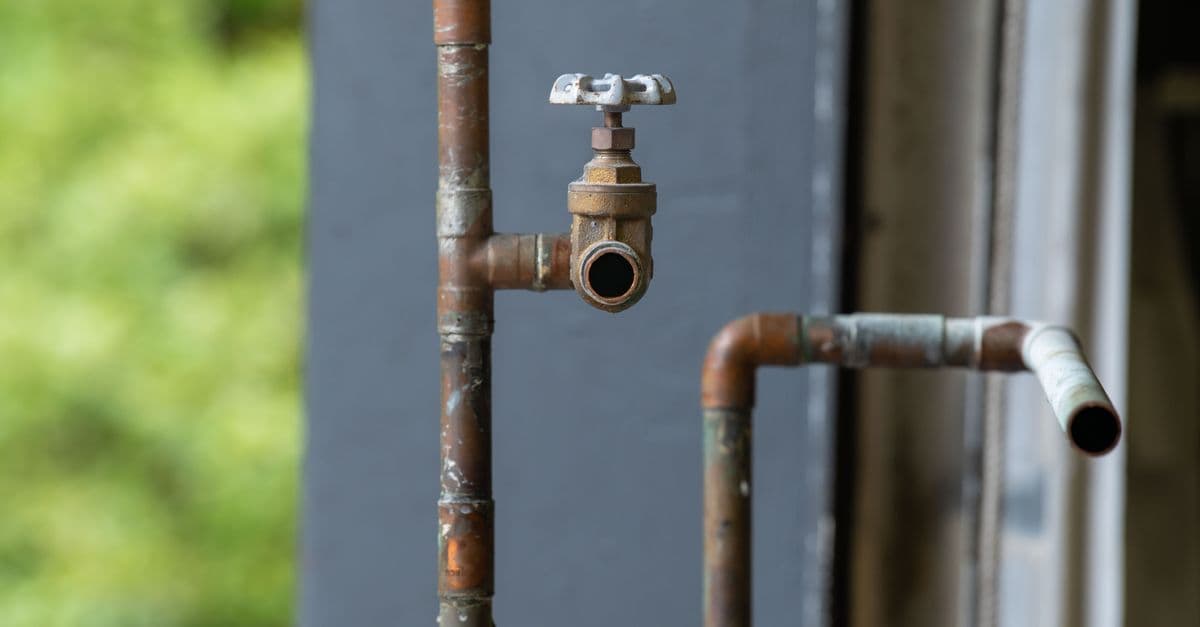
Is it a dull, reddish-brown or sometimes bright green (from oxidation)? That's Copper.
Is it a thick, dark grey or black pipe that looks very heavy-duty? That's Cast Iron. It might have a rough texture.
Tap it gently. Plastic pipes (PVC/ABS) will make a dull thud. Metal pipes (Copper/Cast Iron) will have a distinct metallic sound.
Look for markings. Most plastic pipes have markings printed along their length that will say "PVC" or "ABS" and list their size and temperature ratings.
When in doubt, assume you have plastic pipes and avoid sending boiling water their way.
Can Boiling Water Harm Your Garbage Disposal or Septic System?
It’s not just the pipes you have to worry about. Two other key parts of your plumbing system have a strong dislike for boiling water.
Your garbage disposal has a number of plastic and rubber components inside, including seals and baffles. A sudden blast of boiling water can warp these parts, leading to leaks or damage to the unit itself label. Think of it as pouring hot coffee on your laptop keyboard. Some parts might survive, but you’re tempting fate.
If you have a septic system, this is even more critical. Your septic tank is a living ecosystem filled with beneficial bacteria that break down solid waste. Pouring a large volume of boiling water into the tank can kill off a significant portion of this bacteria label. This disrupts the entire decomposition process, which can lead to solids building up, clogs in your drain field, and a very expensive call to a septic service company. Don't commit septic genocide for the sake of a slightly slow drain.
Safe Alternatives for Clearing Drains in US Homes
So, you have a clog, and boiling water is off the table. What now? Thankfully, you have several better, safer options. The right tool depends on the job.
Comparison Chart: Safe Drain Clearing Methods
Method
Best For
Effectiveness
Environmental Impact
Ease of Use
My Two Cents
Plunger
Minor clogs, standing water
Moderate
None
Easy
Your first line of defense. Every home should have one.
Baking Soda & Vinegar
Light buildup, deodorizing
Low
Low
Easy
More of a science fair volcano than a clog buster. Good for maintenance, not for emergencies.
Enzyme Cleaners
Organic matter (grease, hair)
High (over time)
Very Low
Easy
The slow and steady option. Great for prevention, but needs patience.
Drain Snake (Auger)
Tough clogs, hair, solid objects
Very High
None
Moderate
The most effective DIY tool. A bit messy, but it physically removes the clog.
My advice? Start with the plunger. If that doesn't work, and you suspect a hair or grease clog, try a drain snake. Keep enzyme cleaners on hand for monthly maintenance to keep things flowing smoothly. Save the harsh chemical drain cleaners as an absolute last resort, they can be tough on pipes, too.
Protecting Your Plumbing: Key Takeaways for Homeowners
Look, nobody expects you to think about plumbing all day. That’s my job. But avoiding one simple habit can save you a world of trouble. Remember that boiling water and modern PVC pipes are not friends. It can warp the plastic, loosen joints, and turn a simple grease issue into a deep-seated blockage that requires a professional. It's even worse for your garbage disposal and septic system.
This article wasn't just another warning to "be careful." We've explained the specific risks boiling water poses to different pipe materials, provided a checklist to help you identify what's under your sink, and offered a clear comparison of safe alternatives. Instead of just dumping boiling water and hoping for the best, use the right tool for the job, a plunger, a drain snake, or a preventative enzyme cleaner. Your pipes, and your wallet, will thank you.
Yes, hot water from your tap is perfectly fine. Most residential water heaters are set to a temperature that is below the threshold for damaging PVC pipes. It's the boiling water (212°F) that you need to avoid.
Hot water from your tap is generally safe for all types of pipes. The danger comes from boiling water (212°F), which can soften and warp the common PVC and ABS plastic pipes used in many homes. Since metal pipes can handle much higher temperatures, the key is knowing what your system is made of.
It certainly can. The extreme heat can damage or warp the plastic and rubber seals inside the unit, potentially causing leaks or shortening its lifespan. It's best to run cold water when using your disposal anyway.
Absolutely. A large volume of boiling water can kill the essential bacteria that break down waste in your septic tank. This disrupts the system's balance and can lead to serious, costly problems down the line.
For most household clogs, a good old-fashioned plunger is your best first step. For tougher clogs, a drain snake (or auger) is the most effective tool for physically removing the blockage. For regular maintenance, using a monthly enzyme cleaner is a great, pipe-safe habit.