Intro
When jobs go wrong, it’s rarely the tools. It’s the steps we skip. Here’s the simple rule: ALWAYS do this… build a repeatable routine and stick to it. This guide shows you what to ALWAYS do before you quote, on day one, each day, for change orders, and before you invoice. It’s plain, practical, and built for the field. You’ll see timeframes, numbers, and wording you can use today. Do this, and you’ll see fewer callbacks, cleaner paperwork, and faster pay.
Quick Answer
ALWAYS do this… document before you act. Walk the site, confirm scope in writing, snap daily photos, log changes, and get signatures before extra work. Close with a punch list, final sign-off, and a clear invoice. This routine cuts errors and speeds payment on nearly every job.
Table of Contents
Key Takeaways
- Do a 7-step pre-quote check and send your proposal within 24 hours.
- Hold a 10-minute kickoff huddle and 15-minute daily cleanup.
- Take 8–12 photos per room per day; log work in under 5 minutes.
- Get signatures on every change order before work starts.
- Schedule a final walk-through 48 hours before invoicing.
ALWAYS Do This Before You Quote
On most jobs, the mess starts before you even start. Fix it here.
- Walk the site with the client (15–30 minutes).
- ALWAYS do this… ask about hidden issues: water shutoffs, panel capacity, weak floors.
- Note access, parking, elevator limits, and quiet hours.
- Confirm scope in simple words.
- Restate what’s in and what’s out. Use 5–7 bullet points.
- Add exclusions: paint touch-ups, permits, disposal, weekend work.
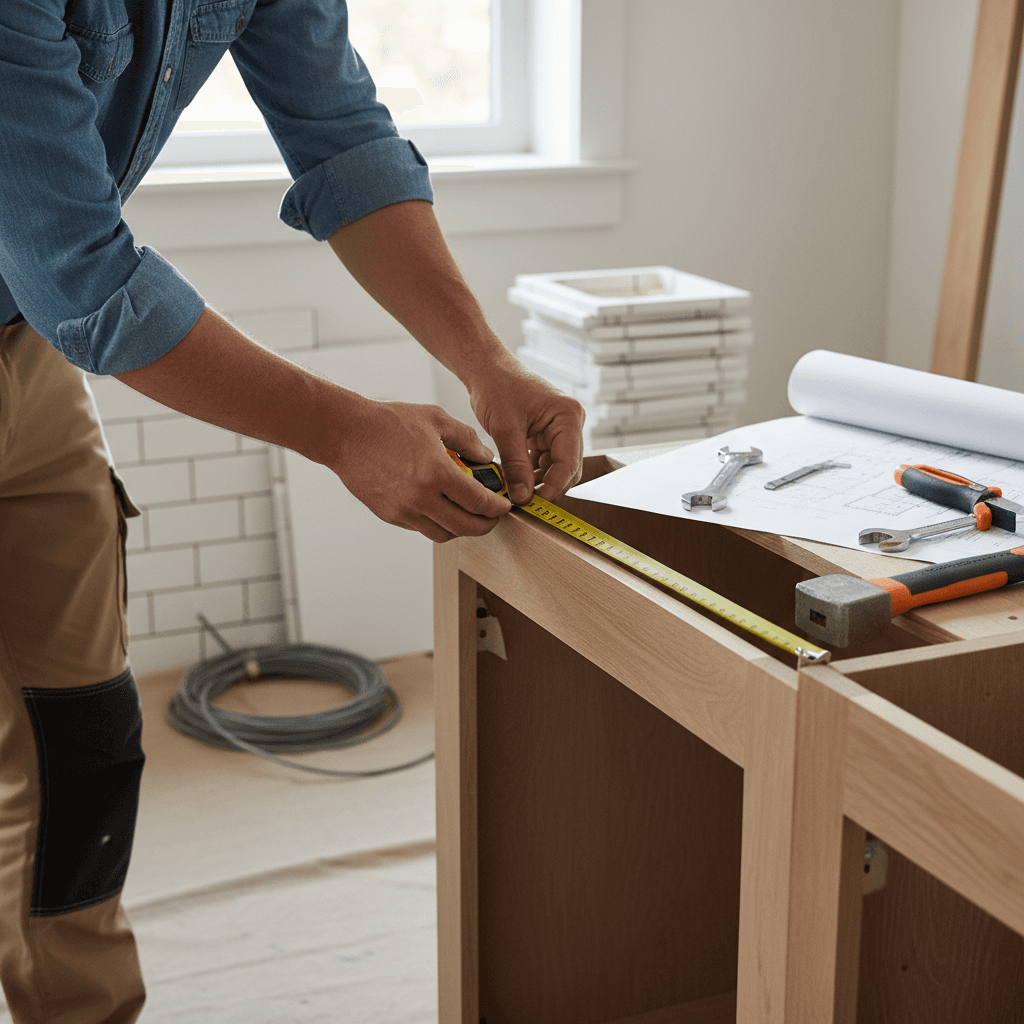
- Measure twice, write once.
- Record lengths, heights, and counts. Example: 56 ft baseboard, 3 doors, 2 GFCIs.
- Snap proof photos (12+ total).
- Take wide shots, close-ups, and serial plates. Name the album by address.
- Check utilities and safety.
- Test breakers, valves, water pressure, and GFCI trips. Note anything unsafe.
- Put a timeline on it.
- Start date window (e.g., 10–14 days out) and duration (e.g., 3–4 days on site).
- Send the proposal within 24 hours.
- Tools like Donizo let you capture voice notes, photos, and text, then generate and send a branded proposal fast, with e-signatures ready.
ALWAYS do this… price unknowns as options. For example, “Subfloor repair per sheet rate,” or “Panel upgrade add-on.” It protects your margin when surprises show up.
Tip for internal linking: If you’re also looking to streamline professional proposals, our guide on creating professional proposals will help.
ALWAYS Do This On Day One
Set the tone. Problems shrink when rules are clear.
- Do a 10-minute kickoff huddle.
- Review scope, hazards, and who speaks to the client.
- Confirm day’s goal: “Demo 200 sq ft,” or “Set 20 cabinets.”
- Protect the space first (20–30 minutes).
- Floor protection, dust barriers, and cover intakes. Photograph it.
- Confirm site rules in writing.
- Hours, restroom use, power tools before 9 a.m., neighbors.
- Validate material counts.
- Open boxes. Count fixtures, tiles, or fittings. Reorder by noon if short.
- Share a contact board.
- Post one sheet: names, numbers, emergency contact, and today’s plan.
ALWAYS do this… repeat the plan to the client in 2–3 sentences. “We’ll demo today, rough-in tomorrow, and be ready for inspection by Friday.”
ALWAYS Do This Every Day On Site
Small daily steps prevent big weekly headaches.
- Keep a daily log (under 5 minutes).
- Date, crew on site, hours worked, materials used, inspections, delays.
- Take 8–12 photos per room per day.
- Start, mid, and end-of-day shots. Include a tape measure in tricky areas.
- Flag issues within 24 hours.
- Email or text a short note with photos: problem, impact, and a fix.
- Hold a 10-minute end-of-day check.
- Confirm tomorrow’s tasks, deliveries, and weather plan.
- Clean up for 15 minutes per person.
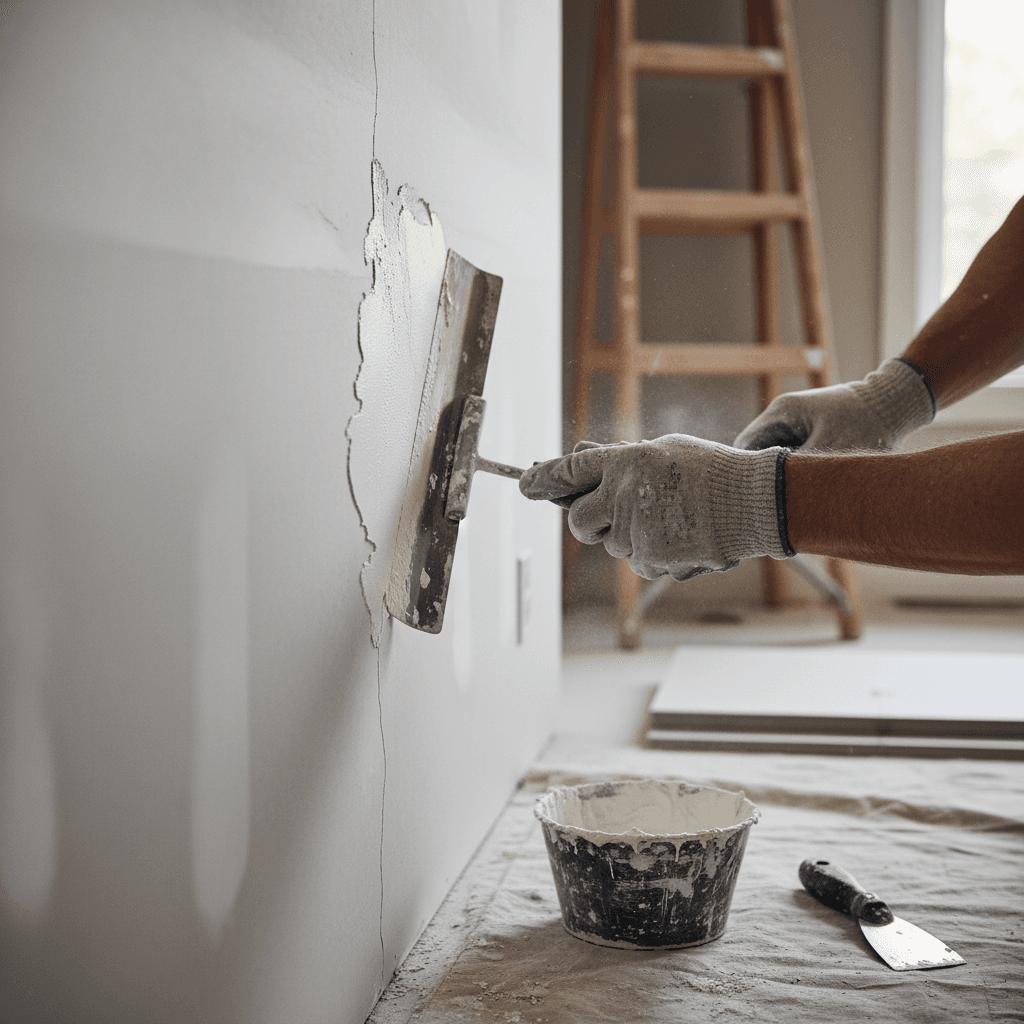
- Stack materials, sweep, and cap live wires. Photo the clean site.
ALWAYS do this… write what changed today. Even one line saves you later: “Found rotten sill, bay window area. Waiting on client decision.”
Internal link tip: This pairs well with understanding project timelines so your crew knows what “done” means each day.
ALWAYS Do This For Change Orders
This is where profit leaks. Seal it.
- Write it down, every time.
- One page: description (2–4 sentences), price, extra days, and payment terms.
- Show photos and options.
- Give a “fix A” and “fix B” with cost and time. People decide faster.
- Get signatures before work.
- No signature, no change. Be polite but firm.
- Update the schedule.
- Note +1 or +2 days, and new inspection dates.
- Log it in your job file.
- Rename files like “CO-002 – Add GFCI – $180 – +0 days.”
ALWAYS do this… pause the affected work for up to 48 hours if needed. Rushing without sign-off turns into free work. If a client hesitates, remind them you’re protecting their budget.
For deeper reading: For contractors dealing with pricing strategies, we recommend a simple options-based pricing approach so clients can choose cost and speed.
ALWAYS Do This Before You Invoice
Finish strong. Get paid faster.
- Schedule a pre-completion walk-through 48 hours ahead.
- Create a short punch list on site. Keep it under 10 items if possible.
- Complete and photo each punch item.
- Mark “done” with date and a photo. Share the list back.
- Get final sign-off in writing.
- A simple “Work complete and accepted” line with signature is enough.
- Convert proposal to invoice within 24 hours.
- Include deposits, change orders, and retainage (common holdback is 5–10%).
- Offer clear payment terms.
- Example: Net 7 days, 1.5% monthly late fee where legal.
ALWAYS do this… attach 6–10 proof photos to your final invoice. It reduces disputes. Platforms such as Donizo can convert accepted proposals to invoices in one click and track what’s paid.
Internal link tip: If you need invoice templates that save time, our invoice templates guide covers layouts and terms that get you paid.
ALWAYS Do This When Problems Happen
Bad news gets worse with silence. Act fast.
- Stop, make it safe.
- Kill power, shut water, block area. Safety first.
- Document with 6–8 photos.
- Wide and close-up, include a ruler or level.
- Notify the client within 2 hours.
- Share the issue, impact (cost/days), and two fix options.
- Price and write a change order.
- Keep it to one page. Clear cost and days.
- Don’t resume the affected work until signed.
- Keep the rest of the site moving if possible.
ALWAYS do this… keep your tone calm and factual. Facts beat blame.
FAQ
How many daily photos are enough?
Aim for 8–12 photos per room per day. Take start, mid, and end-of-day shots. Include key details like pipe routes, stud spacing, or wire tags. More photos mean fewer disputes later.
When should I send the proposal?
Within 24 hours of the site walk is best. While details are fresh, you avoid mistakes. If you need supplier pricing, send a scoped draft the same day and mark items “to be confirmed” by a set date.
What’s the minimum daily log I should keep?
Keep a 5-line log: crew, hours, tasks done, materials used, and issues found. Add 3–5 photos. That’s enough to prove progress and explain delays.
How do I stop free work (scope creep)?
Write it down, price it, and get a signature before work. Use the same change order form every time. If a client pushes, pause that task for up to 48 hours. Consistency protects your margin.
What deposit and retainage are common?
Commonly, deposits run 20–40% at acceptance, and retainage can be 5–10% until completion. Check your local rules and your contract. Always state payment timing in days (e.g., Net 7).
Conclusion
ALWAYS do this… document first, then act. Walk the site, confirm the scope, snap daily photos, write change orders, and get signatures before extra work. Close with a punch list, final sign-off, and a clear invoice. To move faster and stay consistent, consider tools like Donizo for voice-to-proposal, e-signatures, and quick invoicing.
Next steps:
- Print this checklist and post it in your van.
- Set daily reminders for logs, photos, and cleanup.
- Build one change order template and use it on every job.
Do this on every job, and you’ll see fewer callbacks and faster pay.