Intro
Homeowners call and say, "Come find a leak." You need a fast plan. This guide shows how to confirm a leak, isolate the line, and prove the spot. You’ll learn simple steps, safe pressures, and real tests that work. We cover walls, slabs, and roofs. Use this when a client says, "Come find a leak," and you need results. The process is clear: stabilize, test, narrow, confirm, and document. It saves time. It builds trust. And it helps you win the repair.
Quick Answer
To come find a leak, stop the water, confirm flow at the meter, then isolate branches and pressure-test at 50–80 psi safely. Use sound, thermal, and dye tests to pinpoint the spot within 10–20 feet, then verify with one clean opening. Document photos, readings, and timings.
Table of Contents
Key Takeaways
- Confirm a leak first at the meter before opening walls.
- Keep test pressures within 50–80 psi for domestic lines.
- Isolate, then narrow the area to 10–20 feet before cutting.
- Use 2–3 methods to confirm the exact spot.
- Document readings and photos; it speeds approval and payment.
Stop the Water, Make It Safe
When you hear "Come find a leak," protect the home first.
- Shut off the main. If flooding, kill power to wet zones.
- Stabilize pressure. Wait 5–10 minutes before testing. This avoids false drops.
- Protect finishes. Put down plastic, towels, and buckets.
- Note active drips. Count drips for 60 seconds. Record location and time.
Why this matters: rushed testing ruins data. A short 5-minute pause gives you cleaner readings and saves a second visit.
Come Find a Leak: Step-by-Step Checklist
Use this sequence on most homes. It’s fast and clear.
- Check the meter. Look at the low-flow indicator (often a 1/8" spinner). If it moves with all fixtures off, you’ve got flow.
- Isolate fixtures. Close stop valves at toilets, sinks, heaters. Watch the meter again for 2 minutes.
- Branch shutoffs. Close cold or hot branches one by one. Note which stop changes the meter.
- Pressure test. Pump the isolated line to 60 psi (domestic). A steady 0.5 psi/min drop suggests leakage.
- Visual sweep. Look for stains, bubbles, and mineral tracks. Use a bright light.
- Moisture map. Use a pin or pinless meter. Mark readings above 15–20% in drywall.
- Listen. Use an acoustic mic. Hot spots often sound within 10–20 feet.
- Thermal scan. A 3–5°F delta can show a hot supply leak or cold roof entry.
- Dye tests. In showers or roofs, flood test with 2" of water for 15 minutes. Use tracer dye.
- Confirm with one clean opening. Cut a 4x4" inspection square at the highest probability point. Verify, then enlarge as needed.
Tip: Always log time, pressure, and meter movement. This is your proof.
You don’t need every gadget. Use what fits the job.
- Acoustic leak detector: Finds hiss or hammer noise over lines.
- Thermal camera: Shows hot or cold pathways behind finishes.
- Pressure test kit: Hand pump and gauge rated to 100 psi.
- Tracer gas kit: 95/5 nitrogen–hydrogen for tough, hidden leaks. Gas escapes through tiny cracks.
- Moisture meter: Pin for depth; pinless for speed.
- Inspection camera: Short borescope for tight cavities.
- UV dye and light: Great for shower pans and roof penetrations.
Use two tools before you cut. That’s how you come find a leak with confidence.
Come Find a Leak in Walls, Slabs, and Roofs
Different assemblies need different checks.
Walls
- Hot lines show faster on thermal. Scan baseboards and corners.
- Watch for nail pops and blistered paint. That suggests trapped moisture.
- Moisture above 20% in drywall is a red flag. Open near studs for clean repair.
Slabs
- Listen near manifolds and at floor cracks. Hiss grows near the source.
- Warm floors in one zone can signal a hot-side break.
- Tracer gas helps. Inject at 30–40 psi. Sniff at cracks and penetrations.
- If needed, drill 1–2 small 1/4" test holes to listen closer before coring.
Roofs
- Start low, then go up. Water runs downhill.
- Hose test in sections. Soak one area for 5 minutes at a time.
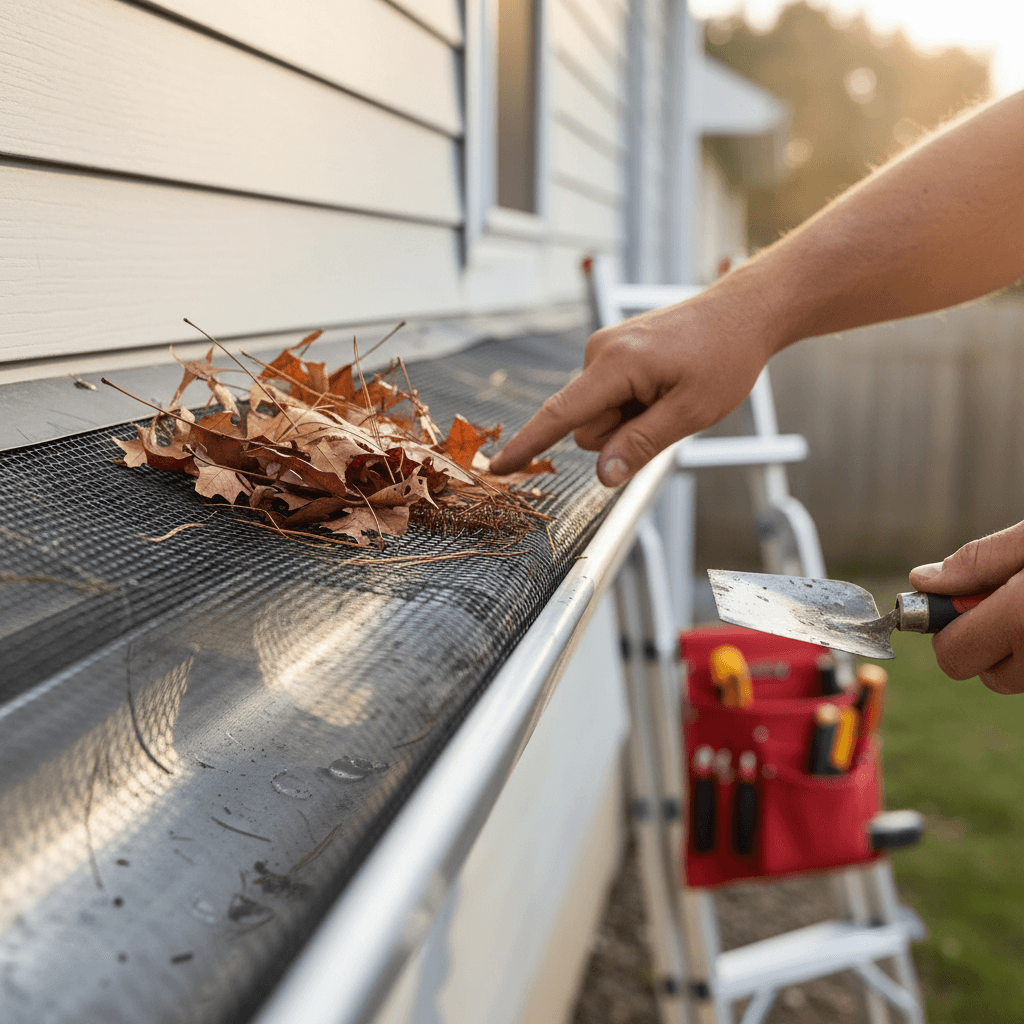
- Hit penetrations first: vents, skylights, chimneys.
- Mark trails with chalk. Use dye around suspect seams and watch the ceiling.
Use the right method in each area. That’s how you come find a leak without guessing.
Pricing, Docs, and Winning the Call-Out
You were asked to come find a leak. Set clear terms.
- Price structure: Call-out fee, first hour flat, then 30-minute blocks.
- Scope: Detection only vs. detection + access + repair. Put it in writing.
- Deliverables: Photos, meter video, pressure log, and a simple map.
- Fast proposal: Capture notes by voice and photos, then send a branded proposal fast using tools like Donizo. Their Voice to Proposal and E-signature help you lock approval the same day. Convert accepted work to an invoice in one click.
Internal links you can add on your site:
- Streamline professional proposals
- Invoice templates that save time
- Managing project timelines
- Pricing strategies for emergency calls
Common Mistakes That Slow You Down
Avoid these. They drain time and profit.
- Skipping stabilization. Gauges wobble for 5–10 minutes after pumping.
- Over-pressurizing. Don’t exceed 80 psi on old domestic lines.
- Ignoring the meter. Always start there before you open walls.
- Confusing condensation with leaks. Check dew point and HVAC drains.
- One-method only. Use 2–3 methods before cutting.
- Poor documentation. No photos means slower approval and payment.
When a customer says, "Come find a leak," this discipline keeps you sharp and fast.
FAQ
How do I find a tiny pinhole leak?
Confirm flow at the meter, then isolate the branch. Pressure-test at 60 psi and listen with an acoustic mic. Thermal can show a 3–5°F streak on hot lines. If still unclear, use tracer gas at 30–40 psi and sniff at seams and cracks.
Can I pressure test PEX, copper, and PVC safely?
Yes. For domestic lines, keep tests within 50–80 psi unless the manufacturer says otherwise. Cap fixtures, isolate sections, and wait 5–10 minutes for stabilization before you read drops. Never exceed the lowest-rated component in the system.
How long should a roof hose test take?
Work in small zones. Soak each area for about 5 minutes, starting low and moving uphill. Focus on penetrations first. If no entry shows, add dye to suspect seams and test again. Document with photos of each zone.
Is dye safe for septic or storm drains?
Most UV or plumbing dyes are non-staining and septic-safe in small amounts. Check the label. Use the minimum you need. Flush with water after the test and record your results with photos.
Will insurance need a detailed report?
Usually, yes. Provide a short summary, photos, meter video, pressure logs, and a simple sketch. Note times, pressures, and test durations. Clear proof speeds approvals and gets you paid faster.
Conclusion
When a client says, "Come find a leak," follow a clean plan: confirm, isolate, test, and verify with one smart opening. Use 2–3 methods, stay within safe pressures, and document every step. For quick approvals, capture notes and send a same-day proposal with platforms such as Donizo.
Next steps:
- Build a leak kit: pump, gauge, mic, moisture meter, dye.
- Print this checklist and keep it in your truck.
- Create a simple photo report template and use it on every job.
Stick to the process. You’ll find leaks faster and protect your margin.