Intro
On many jobs, the first hour decides the next three months. The first day of work for the home renovation contractor sets the tone for safety, trust, and schedule. Clients judge your setup, your plan, and your cleanup. This guide shows you exactly what to do and when. You’ll see a simple checklist, proven scripts, and tools that save time. Follow it and you’ll start strong, avoid rework, and earn quick trust. We’ll keep it real and simple, like talking on site.
Quick Answer
The first day of work for the home renovation contractor is about control and trust. Arrive prepared, walk the site with the client, confirm scope, protect the home, and set daily routines. Lock down communication, change orders, and payment basics before the first cut.
Table of Contents
Key Takeaways
- A 15-minute client walkthrough reduces change-order fights later.
- Protect floors first: ram board, 6 mil poly, and a 10x20 tarp.
- Set a daily update time (e.g., 4:30 p.m., 5 minutes).
- Photos matter: take 5+ before, during, and end-of-day shots.
- Close out in 30 minutes: sweep, stack, stage, and send notes.
First Day of Work: What to Do Before You Arrive
The first day of work for the home renovation contractor starts the night before. Load tools, label bins, and print the scope. Bring extra protection gear. Many contractors forget that and lose time.
- Pack the "first hour" kit: ram board, drop cloths, tape, zipper door, floor sliders, outlet covers.
- Confirm access: keys, lockbox code, parking, and where to stage materials.
- Text the client your ETA at 7:00 a.m., arrive by 8:00 a.m. sharp.
- Review drawings for 10 minutes. Mark must-measure points: walls, centers, heights.
If you also need help with writing clean [professional proposals], our guide covers what to include and what to skip.
First Day of Work for the Home Renovation Contractor: On-Site Walkthrough
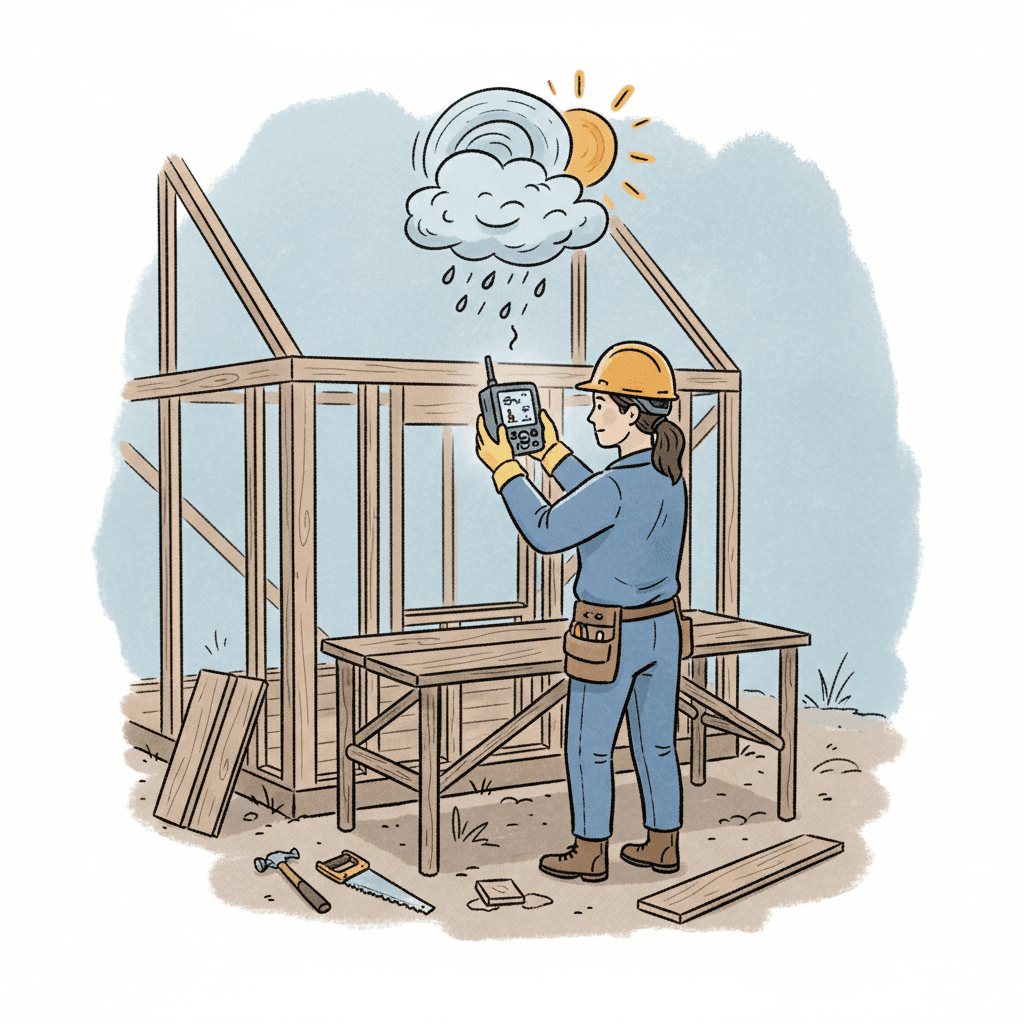
Start with a calm walkthrough. No tools yet. The first day of work for the home renovation contractor should lock the scope before dust flies.
- Reconfirm scope in plain words. Point, repeat, and get a yes.
- Note utilities: shutoffs, panel location, water main, GFCI outlets.
- Mark protection zones: stairs, hallways, and entry.
- Take 5-10 photos of existing conditions. Include cracks, stains, and sloped floors.
- Measure key items: door widths (30-36 inches common), ceiling height, rough openings.
Say this simple line: "Today we protect, verify, and prep. Demolition starts after lunch if all is clear."
First Day of Work: Client Communication That Sticks
Clients want to know what happens, when, and how loud. The first day of work for the home renovation contractor must set that.
- House rules: work hours (8:00 a.m.–4:30 p.m.), lunch (30 minutes), restroom use, pet safety.
- Daily update time: pick a 5-minute window. 4:30 p.m. works well.
- Change order path: write, price, sign, then build. No exceptions.
- Emergency plan: who to call, within how many minutes you’ll reply (30 minutes typical).
If you manage tight [project timelines], this daily update rhythm keeps you on track.
First Day of Work for the Home Renovation Contractor: Site Setup and Safety
Safety first, then speed. The first day of work for the home renovation contractor should leave the home safer than you found it.
- Floors: ram board on main paths, taped seams. Add rugs at entries.
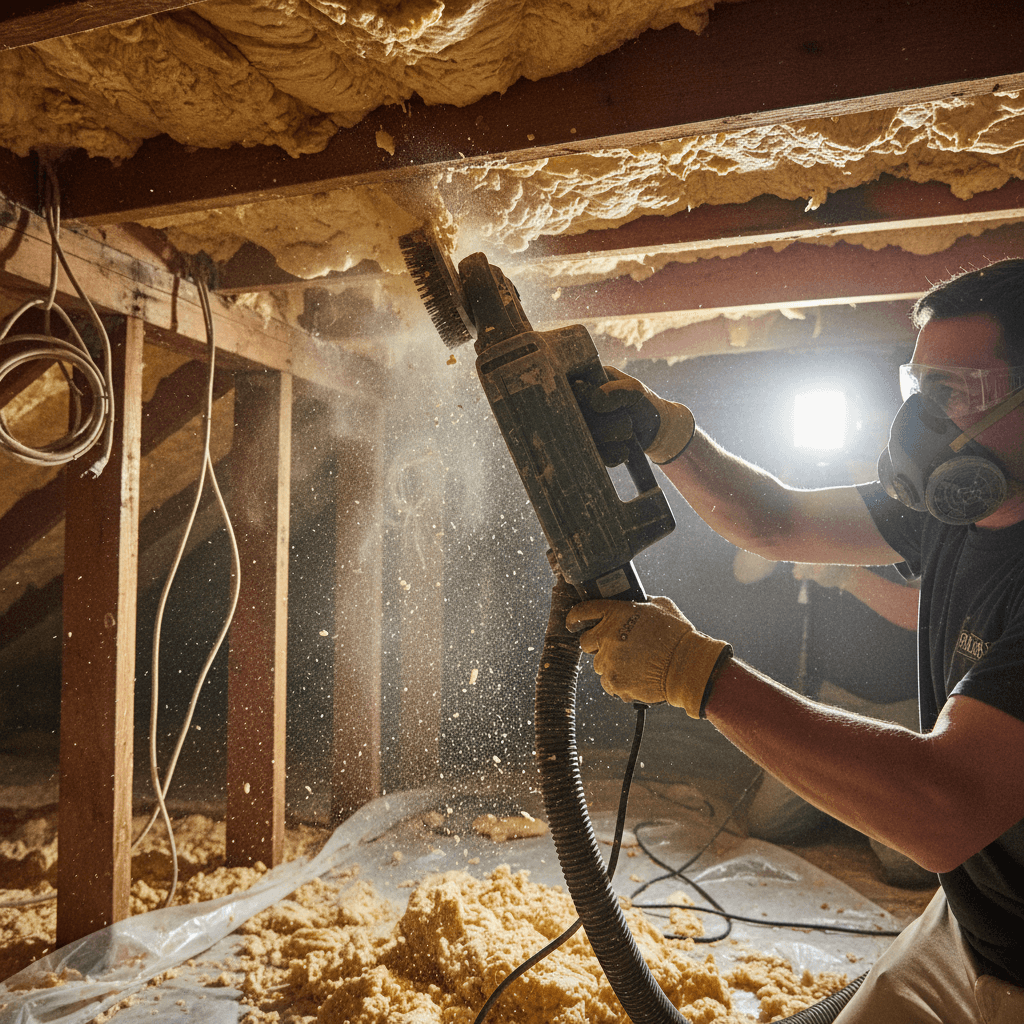
- Dust control: zipper door, 6 mil poly barriers, negative air if needed.
- Power: one 12-gauge, 50 ft extension cord to a GFCI. No daisy chains.
- Tools zone: tape a 6x8 ft area. Everything lives there.
- Materials: stack off the floor on 2x4s. Keep a 36-inch walkway.
- PPE: eye, ear, and mask. Remind subs. Do a 2-minute talk.
Document the setup with 5 photos. You’ll thank yourself later.
Step-by-Step: Your First Day Plan
Follow these steps to make the first day clean and repeatable.
- Arrive 15 minutes early and stage outside. No tools in yet.
- Walk the site with the client for 10 minutes. Confirm scope and rules.
- Protect floors, doors, and vents. Install dust barriers and zipper doors.
- Set tool and material zones. Mark with tape. Plug into a GFCI.
- Verify critical measurements. Adjust plan if something is off.
- Start light demo or prep cuts after lunch. Keep noise within hours.
- Midday check-in (2 minutes): "On track or issue?" Note any changes.
- Last hour: sweep, stack, and stage tomorrow’s first tasks.
- Send 5 photos and a 3-bullet update before 5:00 p.m.
The first day of work for the home renovation contractor runs smoother when each step has a time box.
Paperwork, Proposals, and Payment Basics
Paperwork pain ruins trust. Keep it simple and fast. The first day of work for the home renovation contractor should confirm how changes and payments work.
- Proposals and scope: keep the signed version on your phone and in the van.
- Change orders: price in writing. Client signs before work. Even for "small" changes.
- Deposits and draws: state exact dates or milestones (e.g., demo complete, rough-in passed).
- Invoices: send same day a milestone is met. Give 24–48 hours to pay.
Tools like Donizo help here. You can capture details with voice, photos, and text, create a proposal fast, get an e-signature, and turn it into an invoice in one click. That keeps money and messages clean from day one.
If you want ready-to-use [invoice templates], we recommend standard line items and clear milestones.
Daily Closeout and Next-Day Prep
End the day strong. The first day of work for the home renovation contractor should finish clean and confident.
- 30-minute closeout: sweep, vacuum, stack, coil cords, and empty trash.
- Label tomorrow’s tasks: "1. Remove casing," "2. Patch outlet," "3. Set ledger."
- Secure tools. Lock windows and doors. Confirm alarm status if used.
- Send the daily update: 3 bullets, 5 photos, tomorrow’s plan.
- Ask: "Any questions before we continue tomorrow at 8:00 a.m.?"
If you also struggle with pricing adds, read our advice on clear [change orders] so you protect margin.
FAQ
How early should I arrive on the first day?
Aim for 15 minutes early. It gives you time to stage outside, breathe, and start calm. Clients notice punctuality. It sets a professional tone.
What protection should I install first?
Floors first. Lay ram board or drop cloths on the main path, then seal doorways with 6 mil poly and a zipper door. Cover vents to control dust before any cuts.
When should demolition start?
After the walkthrough and protection. Commonly after lunch on day one. That gives you time to verify measurements and confirm scope so you avoid rework.
How do I handle small client requests on day one?
Treat them like change orders. Write it, price it, get a signature, then do it. Even a 20-minute add can cascade. Keep it clear and documented.
What should my end-of-day update include?
Keep it simple: 3 bullets on what got done, 5 photos, and tomorrow’s first tasks. Send it by 5:00 p.m. A clear update calms clients and reduces texts.
Conclusion
The first day of work for the home renovation contractor is about control, clarity, and clean habits. Protect the home, confirm the plan, and close out with a tidy site and a short update. Next steps: 1) Build a 9-step day-one checklist, 2) Pre-pack a protection kit, 3) Set a daily update time. If you want faster proposals and smoother approvals, platforms such as Donizo can help you capture details, send branded proposals, get e-signatures, and invoice in one flow. Start tight. Finish strong. Your future self will thank you.