Introduction
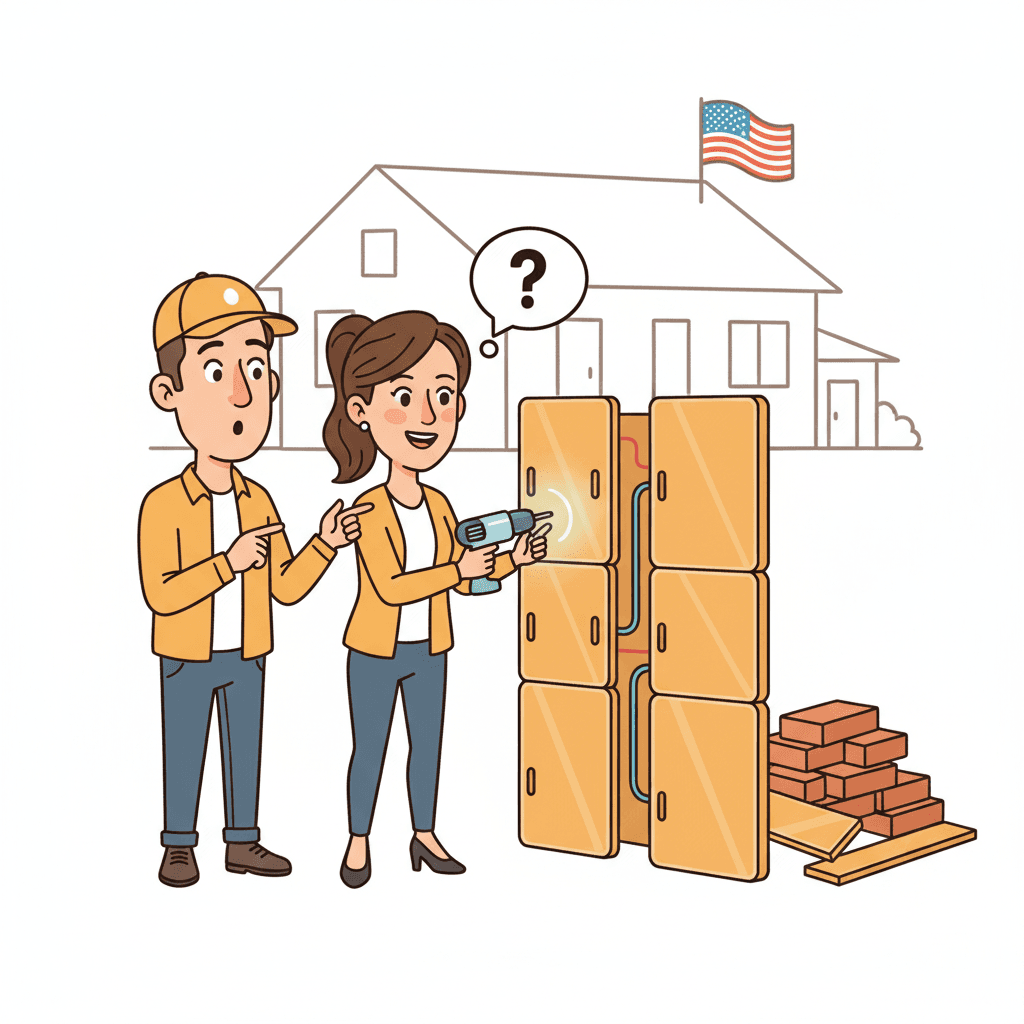
You’ve seen videos and thought: “Why don&;t we do this in the USA?” Good question. Other countries use rainscreens, exterior insulation, tilt‑turn windows, and prefab more often. They do it for durability, comfort, and speed. In this article, we answer why it isn’t common here and how you can try parts of it. We’ll keep it simple. Real steps. Real numbers. Short learning curve.
Quick Answer
Many US jobs don’t use these methods because of code habits, supply chains, labor skills, and risk. Inspectors, lenders, and clients expect “the usual.” Still, you can pilot key ideas—like a 3/4 in rainscreen or R‑10 exterior foam—without blowing budget. Start small, document results, and build your playbook.
Table of Contents
- Why Other Countries Do It Differently (#why-other-countries-do-it-differently)
- Why don&;t we do this in the USA? Real Reasons (#why-dont-we-do-this-in-the-usa-real-reasons)
- How To Pilot These Ideas On Your Next Job (#how-to-pilot-these-ideas-on-your-next-job)
- Cost And Schedule Impact To Expect (#cost-and-schedule-impact-to-expect)
- Sales: Explain New Methods To Clients And Inspectors (#sales-explain-new-methods-to-clients-and-inspectors)
- Where It Fits: Residential, Light Commercial, Retrofits (#where-it-fits-residential-light-commercial-retrofits)
- Questions Contractors Ask (FAQ) (#questions-contractors-ask-faq)
Key Takeaways
- Start with 1–2 upgrades: a 3/4 in rainscreen and R‑5 to R‑10 exterior insulation.
- Meet early with your inspector. Bring cut sheets and a simple detail packet.
- Plan a 5–10 day learning curve on your first project phase.
- Track blower‑door results (target 0.6–1.5 ACH50 on tighter builds).
- Use clear proposals and photos to sell value, not just cost per square foot.
Why Other Countries Do It Differently
1) Rainscreens And Exterior Insulation
- Simple change: add 3/4 in furring strips to create an air gap.
- Keeps cladding dry and extends paint/finish life by years.
- Add R‑5 to R‑10 continuous insulation outside studs to cut thermal bridges.
- On most jobs: 2x6 studs at 24 in o.c. plus exterior foam or mineral wool works well.
2) Airtightness As A Measured Deliverable
- Many teams abroad test every job with a blower door.
- Common targets: 0.6–1.5 ACH50 on efficient builds; 2–3 ACH50 on typical new homes.
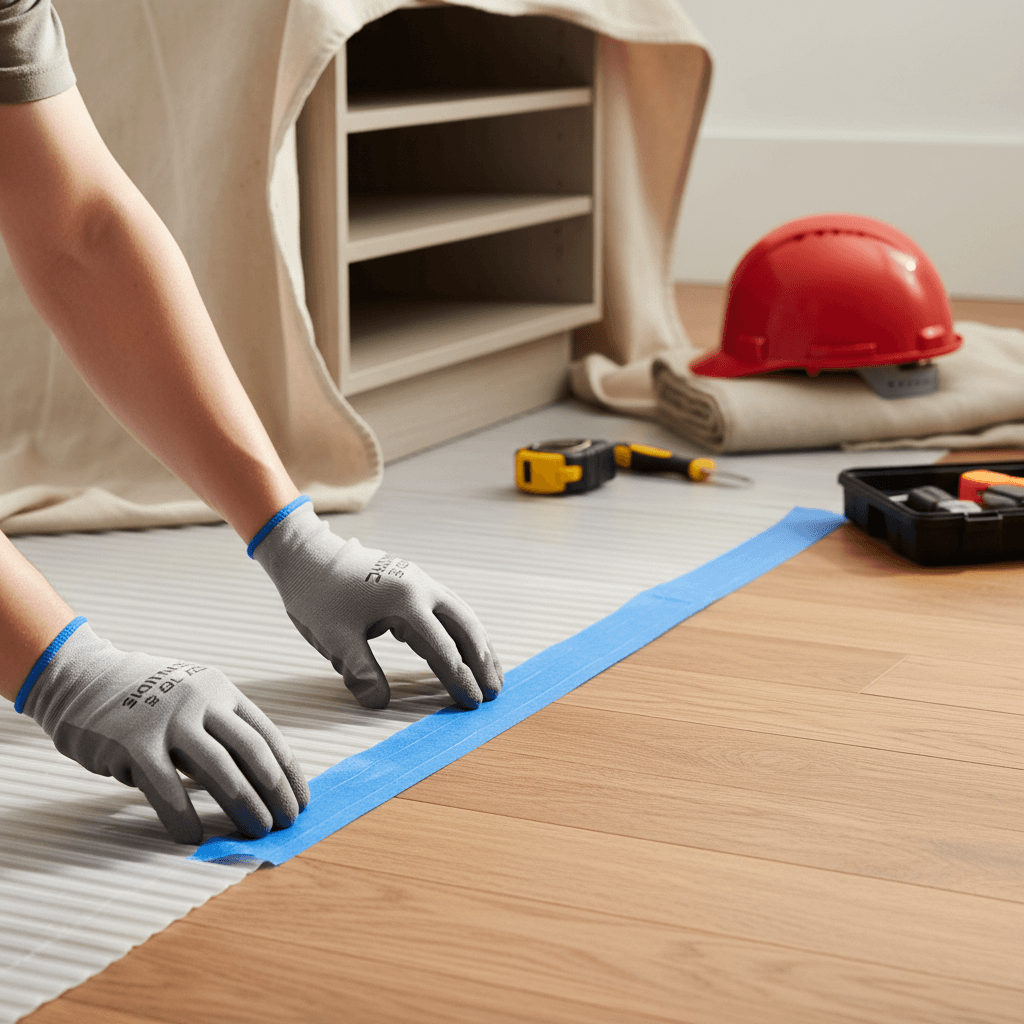
- Air seals use tapes, gaskets, and dedicated membranes, not just caulk.
3) Better Windows And Doors
- Tilt‑turn windows seal tight with multiple gaskets.
- Triple glazing is common in cold and noisy zones.
- Expect heavier frames; plan for shims, proper bucks, and flashing.
4) Prefab And Modular
- Wall panels arrive square, dry, and labeled.
- Roof trusses and MEP racks reduce on‑site cutting.
- Crews often enclose in 2–5 days once panels land.
5) Hydronic And Low‑Temp Heating/Cooling
- Heat pumps and radiant are common outside the US.
- Works well with tight envelopes and exterior insulation.
- Lower supply temps mean happier equipment and quieter rooms.
Why don&;t we do this in the USA? Real Reasons
- Codes And Habit: Inspectors and designers know standard details. New details add review time.
- Supply Chain: Your local yard stocks vinyl, fiberglass batts, and standard windows. Rainscreen clips, membranes, and tilt‑turns may need 2–8 week lead times.
- Labor Skills: Crews know 16 in o.c. framing and Tyvek only. New steps slow production at first.
- Climate Variety: The US spans hot‑humid to sub‑arctic. One “Euro detail” doesn’t fit all zones.
- Risk And Liability: Lenders and owners fear “unproven” here, even if proven elsewhere.
- Pricing Pressure: Bids are tight. A 5–10% material bump can lose the job if you can’t explain value.
Tip for internal linking later: This pairs well with understanding professional proposals, project timelines, and pricing strategies.
How To Pilot These Ideas On Your Next Job
- Pick One Upgrade, Not Five
- Choose a 3/4 in rainscreen or R‑5 exterior foam first. Keep framing standard.
- Meet The Inspector Early (30–45 minutes)
- Bring 6–8 printed details, product data, and a simple wall section.
- Ask about fastening, fire, drainage, and energy points upfront.
- Train The Crew (90 minutes)
- Show a mock‑up on sawhorses: membrane, tape corners, furring layout at 16 or 24 in o.c.
- Assign one lead for quality checks.
- Order Materials With Buffer
- Plan 5–10% extra tapes, fasteners, and furring. Lead times: 2–3 weeks typical.
- Build A 4x8 Mock‑Up First
- Install the full layer stack. Practice window flashing once.
- Take photos and mark every layer. Save for client and inspector.
- Test Airtightness Mid‑Job
- Do a blower door before drywall. Find leaks while you can still fix them.
- Update The Proposal And Schedule
- Spell out extra steps and benefits. Add 2–5 days for learning on Project 1.
- This is a good place to improve professional proposals and project timelines.
- Document Results
- Note ACH50, comfort feedback, and any call‑backs. Use that to win the next bid.
Cost And Schedule Impact To Expect
- Framing And Cladding With Rainscreen: Add 3/4 in furring, bug screen, and fasteners.
- Commonly adds 0.5–1.5 days per elevation for a 3–4 person crew.
- Exterior Insulation (R‑5 to R‑10):
- Expect a 5–15% material bump on the wall assembly, depending on brand and thickness.
- Crew speed typically normalizes by Project 2 or 3.
- Windows (Tilt‑Turn/Triple):
- Heavier units may need 2 lifters instead of 1. Plan 10–20 extra minutes per opening on your first day.
- Prefab Panels:
- Setup is fast once on site (2–5 days enclosure is common), but design takes more time up front (1–3 weeks shop drawings).
On balance, contractors often report fewer call‑backs, quieter rooms, and steadier indoor temps. That saves hours later in punch lists and warranty trips.
Sales: Explain New Methods To Clients And Inspectors
- Keep It Visual
- Show a simple wall section: siding, 3/4 in air gap, WRB, exterior insulation, sheathing, studs.
- Use photos from your mock‑up. One page beats ten paragraphs.
- Talk Comfort And Durability, Not Just Energy
- “Longer paint life, fewer leaks, quieter home.” Those are easy wins to understand.
- Put It In Writing
- Build a clean scope with options: “Base wall” vs “Rainscreen + Exterior R‑5.”
- Tools like Donizo help you capture notes by voice, turn them into a clear proposal, send a branded PDF, collect e‑signatures, and convert to an invoice when approved.
- Use Simple Anchors For Upsells
- Add a line item for a blower‑door test.
- Offer upgraded tape package or a window buck kit as options.
For internal linking later: This section connects to invoice templates that save time and change order best practices.
Where It Fits: Residential, Light Commercial, Retrofits
- New Homes
- Start with rainscreen and better air sealing. Add exterior R‑5 later.
- Light Commercial (Offices, Clinics)
- Prefab walls and MEP racks keep schedules tight. Noise control from thicker walls helps tenants.
- Retrofits
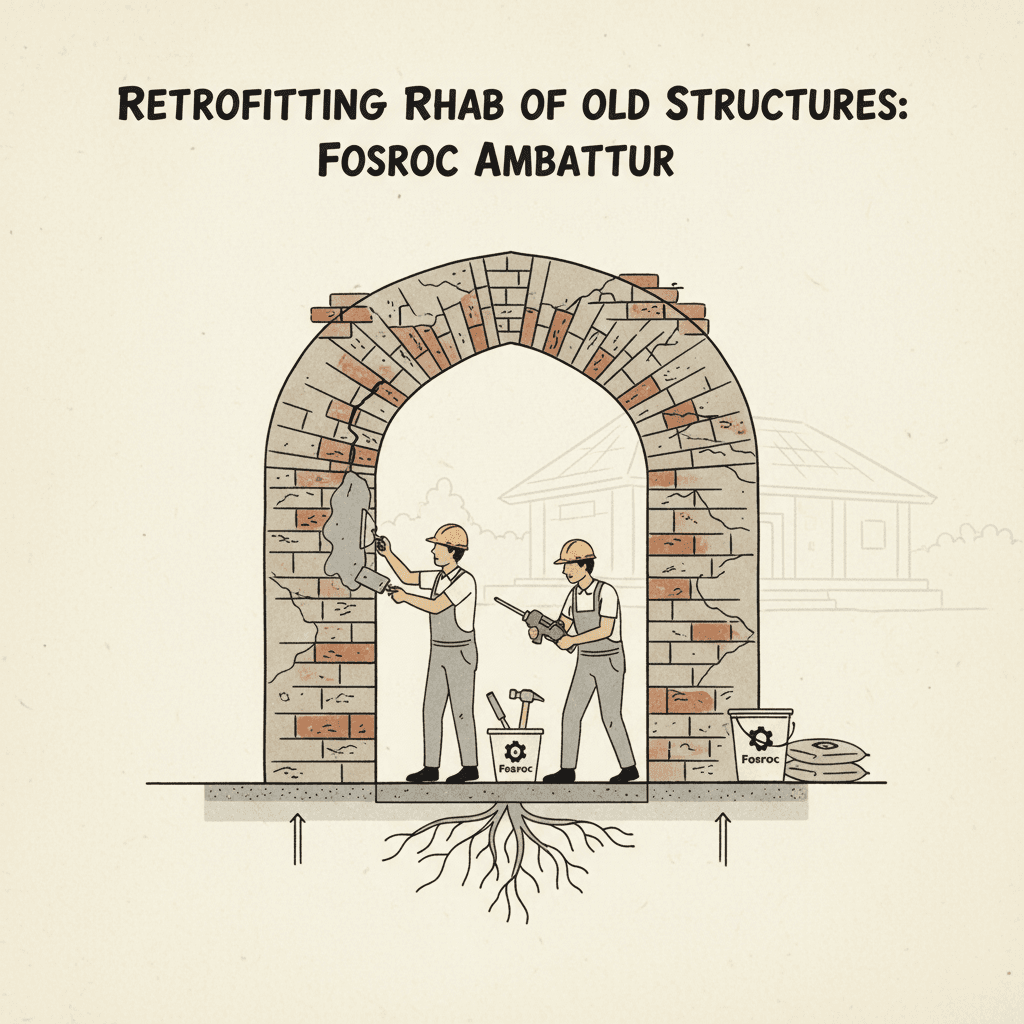
- Over‑clad with 1–2 in exterior insulation and a ventilated gap. Great on tired siding.
- Hot‑Humid Zones
- Focus on bulk water, vents at top/bottom of rainscreen, and vapor‑open wraps.
- Cold Zones
- Watch dew‑point placement. Use enough exterior R to keep sheathing warm in winter.
Questions Contractors Ask (FAQ)
Will inspectors approve rainscreens and exterior insulation?
Usually, yes, if you show details and fastening tables. Meet early, bring cut sheets, and explain drainage and fire. Many codes allow furring strips, ventilated gaps, and continuous insulation with standard fasteners or clip systems.
Does exterior insulation trap moisture?
Not if you detail it right. Use a proper water‑resistive barrier, ventilated gap, and the right thickness for your climate. The goal is warm, dry sheathing and a path for drying. Vent top and bottom of the cavity.
Are heat pumps enough in very cold climates?
Often, yes, with a tight envelope and correct sizing. Use low‑temp systems and plan for supplemental heat if needed. The tighter the shell, the smaller the load. Many crews see steady comfort even at single‑digit temps.
Is prefab more expensive?
Up front design can cost more, but on site it’s faster and cleaner. You can enclose in days, reduce waste, and cut rework. Many teams find total cost balances out by Project 2 as the process smooths out.
How do I price the learning curve?
Add a clear line item for “enhanced envelope details.” Estimate 2–5 extra days on the first project phase. After that, time drops fast. Put it in the proposal so clients see the value and the steps.
Conclusion
“Why don&;t we do this in the USA?” We can. Start with one upgrade, like a 3/4 in rainscreen or R‑5 exterior foam. Meet your inspector early, train your crew for 90 minutes, and test airtightness before drywall. Put the details in a clean proposal and track results. Platforms such as Donizo make it easy to capture site notes by voice, send e‑sign proposals, and invoice fast. Next steps: 1) Build a 4x8 mock‑up. 2) Price two options in your next bid. 3) Schedule a mid‑job blower door. Do it once. Then make it your standard.