Introduction
On most jobs, heat loss and drafts come from gaps, not just thin walls. Rigid insulation installation fixes both. It adds R-value and stops air leaks fast. In this guide, you’ll see what to use, how to install it, and how to seal it right. We cover interior, exterior, and roof details with clear steps. You’ll get fast spacing rules, tape choices, and code tips. Follow this, and your walls run warmer, your roofs stay dry, and callbacks drop.
Quick Answer
Rigid insulation installation means fitting foam boards tight, fastening every 12 inches on edges and 16 inches in the field, then sealing every seam. Use 2–4 inch tape, low-expansion foam at gaps over 1/4 inch, and follow code for fire barriers. Expect 20–30 minutes setup and 24 hours for most adhesives to cure.
Table of Contents
Key Takeaways
- Use the right board: EPS, XPS, or polyiso (R-4 to R-6+ per inch).
- Fasten edges 12 inches on-center; field 16 inches on-center.
- Tape seams 2–4 inches wide; foam gaps over 1/4 inch.
- Add a 3/8–3/4 inch rainscreen gap behind cladding on exteriors.
- Cover interior foam with 1/2 inch gypsum where code requires.
Plan the Job and Pick the Right Board
Choose Material
- EPS: Good value. Typical R-3.6 to R-4.2 per inch. Breathes a bit.
- XPS: Stronger. About R-5 per inch. Lower water absorption.
- Polyiso: Highest R per inch (about R-5.6 to R-6.5). Can drop in very cold temps.
Pick thickness from 1 to 4 inches based on climate and code. Many contractors use 1-1/2 to 2 inches for continuous exterior insulation on walls.
Check Codes and Fire Safety
- Foam plastic usually needs a 1/2 inch gypsum thermal barrier inside (common under IRC R316). Always verify local code.
- For exteriors, check continuous insulation requirements and WRB rules.
- Common sheet size: 4x8 feet.
- Blades: sharp utility knife or insulation saw.
- Fasteners: plastic cap nails or screws with washers. Length = board thickness + 1 inch embedment.
- Adhesive: foam board–safe construction adhesive. Many crews use one 28-oz tube for 2–3 sheets, depending on beads.
Pro tip: If you’re also working on professional proposals, include the insulation scope, fastener schedule, and tape spec. Clear scopes reduce change orders later.
Rigid Insulation Installation: Interior Walls and Ceilings
1. Prep and Layout (20–30 minutes)
- Snap lines. Mark studs or joists at 16 or 24 inches on-center.
- Clean surfaces. Remove dust and protruding fasteners.
- Plan seams to land on framing when possible.
2. Cut and Fit (per sheet: 2–5 minutes)
- Score, snap, and clean edges. Keep joints tight.
- Around boxes and pipes, dry-fit. Leave no more than a 1/4 inch gap.
3. Attach
- Option A: Mechanical only
- Set the sheet. Start at a corner.
- Fasten edges 12 inches on-center with cap fasteners.
- Fasten field 16 inches on-center.
- Option B: Adhesive + Mechanical
- Run 3/8 inch beads 6–8 inches apart.
- Press sheet. Tack with a few fasteners.
- Follow cure time. Many adhesives need 24 hours.
4. Seal Seams
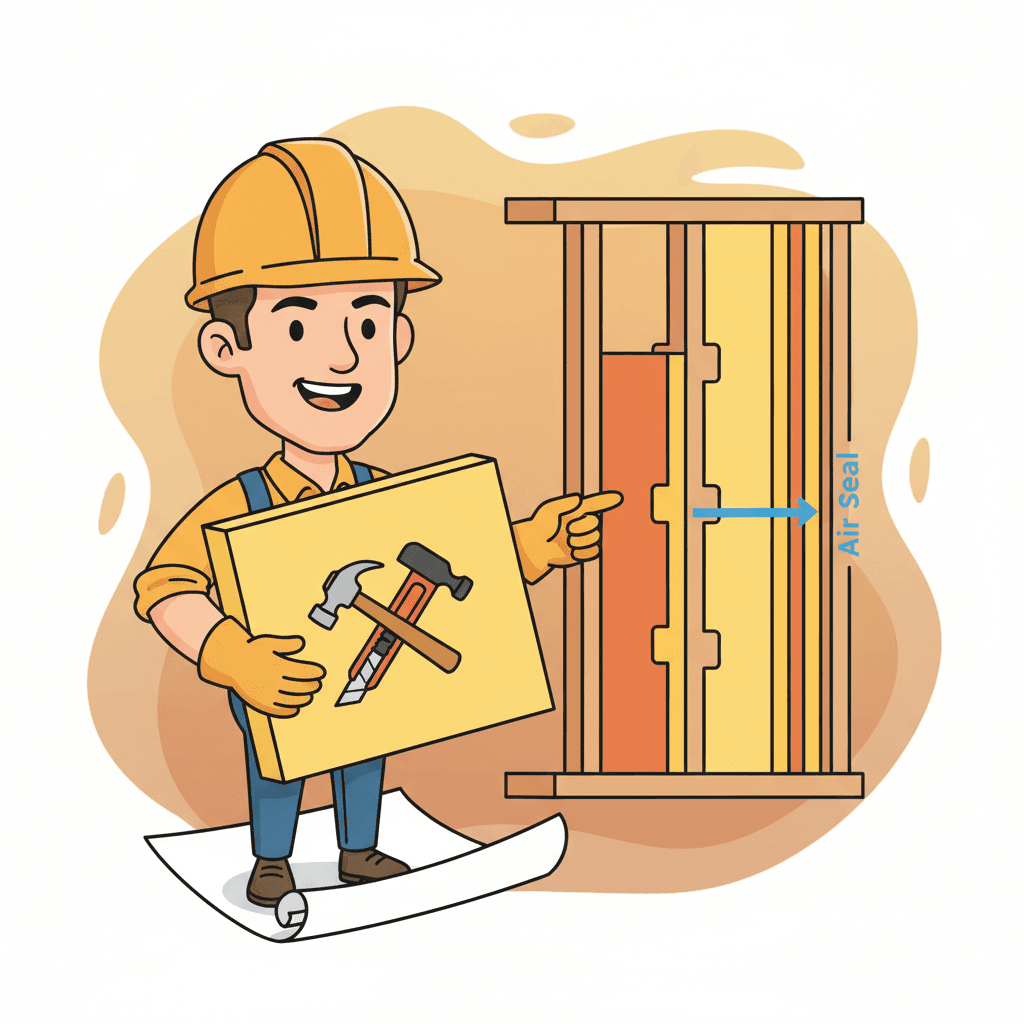
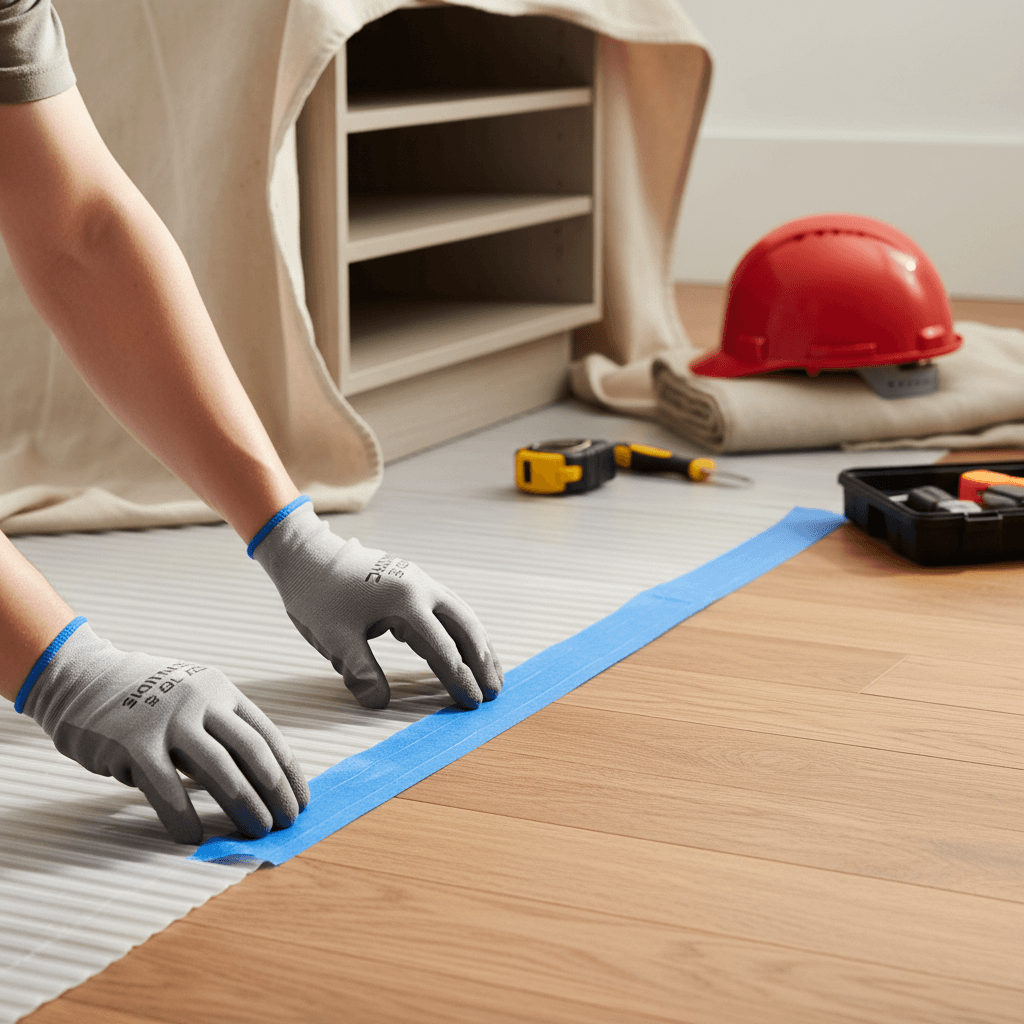
- Tape every seam with 2–4 inch compatible tape. Press hard.
- Foam any gaps over 1/4 inch with low-expansion spray foam.
5. Finish and Fire Cover
- Install 1/2 inch drywall as a thermal barrier where required.
- Mud and tape as normal.
Tip: Plan your project timelines to include adhesive cure time and drywall steps. Timing notes help your crew and your client.
Rigid Insulation Installation: Exterior Walls and Roofs
Exterior Walls (Over Sheathing)
- WRB First or Integrated Approach
- If sheathing is the WRB, keep it intact. If the foam is the WRB, use taped foam approved as a WRB.
- Starter and First Course
- Set a level starter. Keep the first course straight.
- Fasten
- Use corrosion-resistant screws and 2–3 inch washers.
- Edges 12 inches on-center; field 16 inches on-center unless the manufacturer says otherwise.
- Stagger Joints
- Stagger vertical and horizontal joints by at least 12 inches.
- Seal
- Tape seams (2–4 inches). Foam gaps over 1/4 inch.
- Furring for Rainscreen
- Install vertical furring (3/8 to 3/4 inch thick) over studs. Spacing typically 16 or 24 inches on-center.
- This vented gap drains water and dries the wall.
- Cladding
- Install siding per spec. Use longer fasteners to reach framing.
Roofs (Above Deck)
- Check Structure
- Confirm load capacity. Foam, cover boards, and new roofing add weight.
- Vapor/Air Control Layer
- Place membranes where design calls for them. Roofs are system-driven.
- Lay Boards
- Stagger joints. Keep gaps tight.
- Fasten or Adhere
- Follow the roofing system spec. Many systems use mechanical fasteners on a grid or approved adhesives. Edge zones often need more fasteners.
- Cover Board
- Many low-slope roofs need a 1/4–1/2 inch cover board on top of foam.
- Waterproofing
- Install roofing membrane per manufacturer. Roll, bond, and seam correctly.
Note: At windows and doors, use flashing tape at least 6 inches wide. Lap shingle-style. At base of walls, set a metal flashing or starter strip 8–12 inches up behind the foam.
Seal It Tight: Tapes, Foam, and Flashing
Tapes
- Use tapes rated for your foam type and temperature range (often 14°F to 120°F). Wider is better: 2–4 inches.
- Roll with pressure. Missed rolling is a common failure.
Spray Foam and Sealants
- Use low-expansion foam for joints and edges. A 3/8 inch bead is plenty.
- Cure time is usually 1–2 hours to trim, 8–24 hours full cure.
Flashing
- Always lap top over bottom. Minimum 3 inches overlap.
- Use stretch tape at sills and outside corners.
This sealing work is small but powerful. It can save 2–3 hours per week in callbacks and touch-ups.
Avoid These Mistakes
- Skipping the air seal: Untaped seams kill performance.
- Overdriving fasteners: Dishes the board. Use washers and stop flush.
- Mixing wrong tapes and foams: Incompatible glue fails in heat or cold.
- Forgetting the rainscreen: Siding needs a 3/8–3/4 inch gap to dry.
- Ignoring fire code: Cover interior foam with 1/2 inch gypsum where required.
- Bad vapor control: In cold regions, keep the main vapor control to the warm-in-winter side. In hot-humid areas, avoid interior poly that can trap moisture.
If you’re writing change orders, clearly note any added furring, longer fasteners, or flashing. That keeps your margin safe.
Estimating, Safety, and Cleanup
Estimating
- Count sheets: Wall area ÷ 32 gives 4x8 sheet count. Add 10% waste.
- Fasteners: Plan 20–30 fasteners per sheet depending on layout.
- Tape: About 1 roll (50–65 yards) covers 15–25 sheets, based on seams.
- Include rainscreen furring and longer cladding fasteners in your price.
Tip: Capture site photos and voice notes during the walk-through. Tools like Donizo let you turn those into a clean scope and send a proposal for e-signature fast.
If you're also looking to streamline professional proposals, our guide covers clear scopes and pricing. This pairs well with understanding project timelines and invoice templates that save time.
Safety
- PPE: Gloves, eye protection, dust mask when cutting.
- Ladders and lifts: Anchor well. Foam sheets act like sails in wind.
- Blades: Change often. Dull blades slip.
Cleanup
- Bag offcuts. Keep beads and shavings out of drains.
- Store extra tape and fasteners dry. Label the box with size and count.
Frequently Asked Questions
What thickness of rigid insulation should I use?
It depends on climate and code. Many walls get 1-1/2 to 2 inches of continuous exterior foam. Roofs often need more. Aim for the R-value target, then choose thickness: R-10 to R-12 outside walls is common in many zones. Always verify local requirements.
Which is better: EPS, XPS, or polyiso?
All work. EPS is budget-friendly and breathes more. XPS is tougher and resists water. Polyiso gives the most R per inch but can lose some R in very cold weather. Pick based on exposure, budget, and thickness limits.
Do I need a vapor barrier with rigid foam?
It depends on climate and wall build. In cold regions, keep the main vapor control on the warm-in-winter side. Exterior foam can reduce condensation risk by warming the sheathing. In hot-humid regions, avoid interior poly. Follow a tested assembly and local code.
Can I glue foam instead of using screws?
You can, if the substrate is suitable and the adhesive is foam-safe. Many crews use adhesive plus a few mechanical fasteners. This holds sheets during cure and in wind. Follow the adhesive’s temperature and cure-time limits.
How do I stop moisture behind the foam?
Use proper flashing, tape all seams, and add a 3/8–3/4 inch rainscreen behind cladding. Control interior humidity. Make sure your assembly has a clear drying path. Warm the sheathing with enough exterior R-value for your climate.
Conclusion
Rigid insulation installation is simple when you follow a plan: pick the right board, fasten on a tight schedule, and seal every seam. Do that, and you boost R-value, cut drafts, and reduce callbacks.
Next steps:
- Walk your next job and mark a fastener and tape plan.
- Price furring, longer screws, and tape in your proposal.
- Capture site notes and turn them into a clean scope with tools like Donizo.
By locking down these steps, your installs get faster, tighter, and more profitable. Keep it simple, and build it to last.