Intro
On most sites, clients ask the same thing: “Can I cut utility bills?” Few Know This 65-Year-Old Plumber’s Secret to Free Water — No More Utility Bills! Brain Inventor points to a simple idea. Capture rain. Store it. Filter it. Then pump it where you need it. You can supply toilets, washing machines, hose bibs, and even taps with the right treatment. In this guide, you’ll learn how it works, what parts to use, and safe ways to install. We cover flow rates, filters, and checks so you deliver a clean, code-friendly system.
Quick Answer
A “free water” system uses roof rainwater, a sealed storage tank, staged filtration, and a booster pump. It can supply non‑potable uses easily, and potable uses with proper treatment and testing. Expect 1 mm of rain on 1 m² of roof to yield ~1 litre. A solid install takes 1–3 days.
Table of Contents
Key Takeaways
- Roof rain is reliable: 1 mm rain on 1 m² ≈ 1 litre collected.
- Tanks between 1,000–5,000 litres suit most homes and small sites.
- Use staged filters: 100–200 µm screen, 20 µm sediment, 5 µm carbon, UV.
- Aim for 3.0–3.5 bar at outlets; size pumps for 30–50 L/min.
- Allow 1–3 days to install, plus 1–2 hours for testing and client handover.
What This “Free Water” Idea Really Means
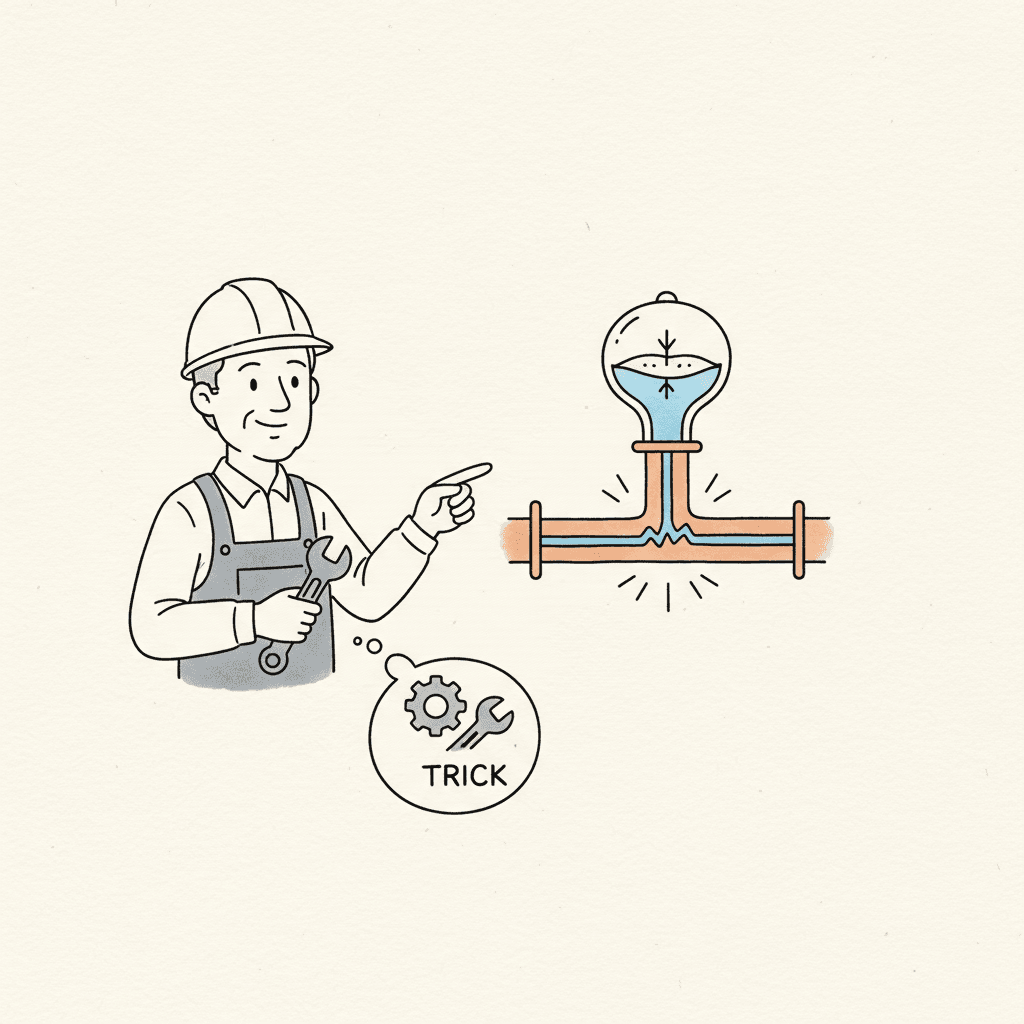
Few Know This 65-Year-Old Plumber’s Secret to Free Water — No More Utility Bills! Brain Inventor sounds flashy, but it’s practical. The core is a rain-harvesting setup with proper filtration and a pressure system. You route rain from gutters to a tank, filter it, then pump it to fixtures. That brings bills down by a lot.
Use cases:
- Non‑potable: toilets, laundry, irrigation, washing vehicles. Low risk and big savings.
- Potable: possible with tested water and full treatment. Follow local rules and standards.
It’s not magic. It’s good plumbing with smart sizing and safe backflow protection.
Plan Your System: Yield, Storage, and Flow
Good planning saves you rework. Do these checks first.
1) Estimate Available Water
- Basic rule: 1 mm rain on 1 m² roof ≈ 1 litre collected.
- Example: 50 m² roof with 600 mm/year ≈ 30,000 litres/year. Allow for 10–20% losses.
- For tight supply, add a second roof or a small borehole (with permits).
2) Pick the Tank Size
- Common sizes: 1,000 L, 2,000 L, 3,000 L, 5,000 L.
- For a 2–3 person home using toilets and laundry: 2,000–3,000 L works well.
- First‑flush diverter: size it to 1–2% of tank volume.
3) Choose Filtration and Treatment
- Leaf screen: 2–3 mm mesh at gutter or rainhead.
- Pre‑tank filter: 100–200 µm.
- Post‑tank: 20 µm sediment, 5 µm carbon, then UV (≈40 mJ/cm²).
- For potable use, add microbiological testing before sign‑off.
4) Set Pressure and Flow
- Target 3.0–3.5 bar at outlets.
- Pump: 30–50 L/min for a small home. Use a pressure vessel (18–24 L) to cut cycling.
- Pipework: 25 mm main runs reduce friction. Keep bends to a minimum.
Build It: Step-by-Step Installation
Follow these numbered steps for a clean, repeatable job.
- Survey and mark out
- Confirm downpipe locations, tank base (level), and pump/plant area.
- Check fall on gutters (1:200) and safe overflows to a soakaway or drain.
- Prepare the base
- Lay a flat, compacted base. Use a slab or concrete pad sized to the tank footprint.
- Keep 300–500 mm access space around filters and valves.
- Fit pre‑tank screens
- Install leaf guards and a 100–200 µm pre‑filter to protect the tank.
- Add a first‑flush diverter. Size to 1–2% of tank capacity.
- Install the tank
- Set the inlet with a calming inlet pipe to reduce sediment disturbance.
- Fit an overflow with mosquito/insect screen and back to surface water drainage.
- Plumb the suction line
- Use 25–32 mm suction hose with foot valve and strainer inside the tank.
- Keep runs short and airtight. Support the hose every 600–800 mm.
- Mount the pump and vessel
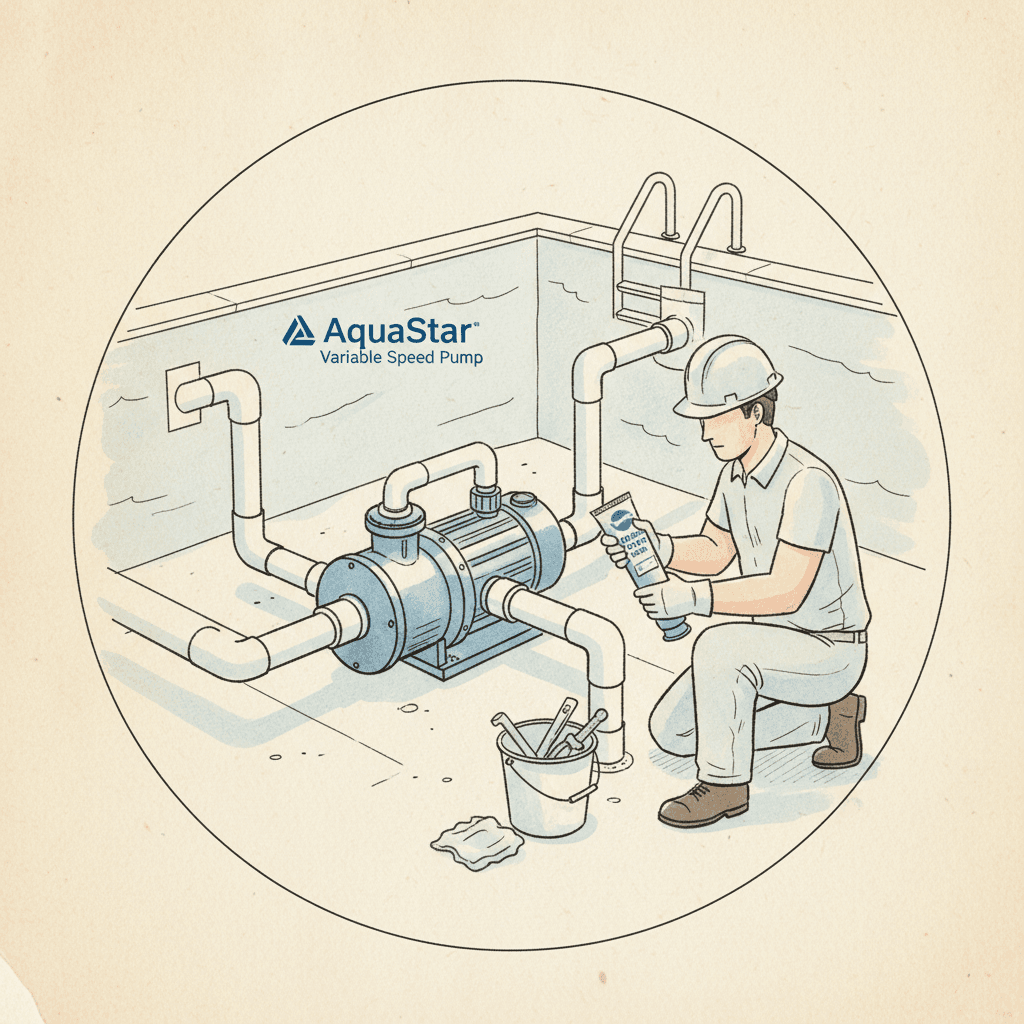
- Use a pump with a pressure controller and 18–24 L vessel.
- Isolate with full‑bore valves and fit a non‑return valve on delivery.
- Post‑tank filtration
- Stage filters: 20 µm, 5 µm, then UV. Mount vertically with clear service access.
- Use unions for quick cartridge swaps. Label flow direction.
- Distribute to fixtures
- Separate “rain line” from mains line. Colour code if possible.
- Supply toilets, washing machine, hose bibs first. Potable points only after testing.
- Backflow protection
- Flush lines for 5–10 minutes. Check pressure (3.0–3.5 bar) and flow.
- Log filter differential pressure and UV status. Show the client basic maintenance.
Filtration, Pressure, and Safety
Keep it safe and simple.
Filtration
- Sediment first: 20 µm catches grit. Carbon next: 5 µm improves taste and odour.
- UV last: size for ≈40 mJ/cm² dose at peak flow. Replace UV lamps annually.
- Add a 0.2–0.5 µm final filter only if the manufacturer allows it with UV.
Pressure and Flow
- Pumps work best near the tank at the same level.
- Use a flexible anti‑vibration hose on pump unions.
- A 25 mm main run often boosts flow by 10–20% over 20 mm pipe.
Safety and Compliance
- No direct cross‑connection with mains. Use dedicated pipework and proper backflow.
- Label non‑potable outlets. Keep an updated schematic on site.
- For potable use, test water and record results before handover. Retest every 6–12 months.
- Check local planning and water regulations for tanks, backflow devices, and discharge.
Costs, Timelines, and Common Pitfalls
Typical Timeframes
- Survey and design: 1–2 hours.
- Install small system (1,000–2,000 L): 1–2 days with two people.
- Larger system (3,000–5,000 L): 2–3 days plus testing.
Common Pitfalls (and Fixes)
- Undersized gutters and downpipes: upgrade to 80–100 mm where rainfall is heavy.
- No first‑flush: leads to dirty tanks. Add diverter sized at 1–2% of volume.
- Pump short‑cycling: fit an 18–24 L vessel and check non‑return valve.
- Low pressure at outlets: increase pipe size to 25 mm, reduce bends, check filters.
- Skipping labels: always mark non‑potable lines and fixtures.
Budget Notes
- In general, parts range from a few hundred to a few thousand pounds depending on tank size, pump spec, and filtration. Labour is usually 1–3 days. Offer options at two or three price points to match client goals.
Sell the Offer and Win the Work
Few Know This 65-Year-Old Plumber’s Secret to Free Water — No More Utility Bills! Brain Inventor makes a strong pitch, but clients buy clarity.
- Package three tiers:
- Basic: toilets + hose bibs, 1,000–2,000 L tank.
- Standard: add laundry, 2,000–3,000 L, staged filters.
- Premium: potable‑ready treatment, 3,000–5,000 L, UV, testing plan.
- Show numbers:
- Example: 50 m² roof, 600 mm/year ≈ 30,000 L/year potential. That can cover most toilet flushes and washing loads.
- Include a maintenance plan:
- Filters every 6 months. UV lamp yearly. Tank check yearly.
Admin tip: capture site details, photos, and voice notes, then create a clear proposal with specs and options. Tools like Donizo help you record on site (voice to proposal), send branded PDFs, collect e‑signatures, and convert accepted proposals to invoices in one click.
Internal linking ideas to boost your wider content:
- Link “professional proposals” when you explain your package tiers.
- Link “project timelines” where you show 1–3 day installs.
- Link “invoice templates” in your maintenance plan section.
- Link “pricing strategies” when you discuss three price points.
FAQ
Can this supply drinking water safely?
Yes, but only with proper treatment, testing, and compliance. Use staged filtration, UV, and follow local rules. Test the water before handover and schedule regular re‑tests every 6–12 months. If in doubt, keep it non‑potable for toilets, laundry, and irrigation.
How big should the tank be for a small home?
For 2–3 people using toilets, laundry, and a hose bib, 2,000–3,000 litres works well. If space is tight, start at 1,000–2,000 litres and add another tank later. Always check roof yield first.
What pump size do I need?
Most small systems run well at 30–50 L/min and 3.0–3.5 bar. Choose a pump with an integrated controller and fit an 18–24 litre pressure vessel to reduce cycling and noise.
Do I need backflow prevention if I keep mains connected?
Yes. You must prevent cross‑connection. Use dedicated pipework, proper backflow devices, and, where required, an air gap. Label non‑potable outlets clearly.
How often should filters and UV be serviced?
Sediment and carbon cartridges: every 6 months, or sooner in heavy use. UV lamps: yearly, even if they still light. Clean the quartz sleeve during lamp changes and check flow against the UV rating.
Conclusion
A dependable “free water” setup is simple: collect, store, filter, and pressurise. Size the roof, choose a 1,000–5,000 litre tank, stage filters (20 µm, 5 µm, UV), and target 3.0–3.5 bar. Next steps:
- Survey one client home this week and calculate roof yield.
- Offer three clear package tiers with a maintenance plan.
- Capture site notes and send a fast, signable proposal using platforms such as Donizo.
By following these steps, you can cut client bills and add a high‑value service to your business.