Intro
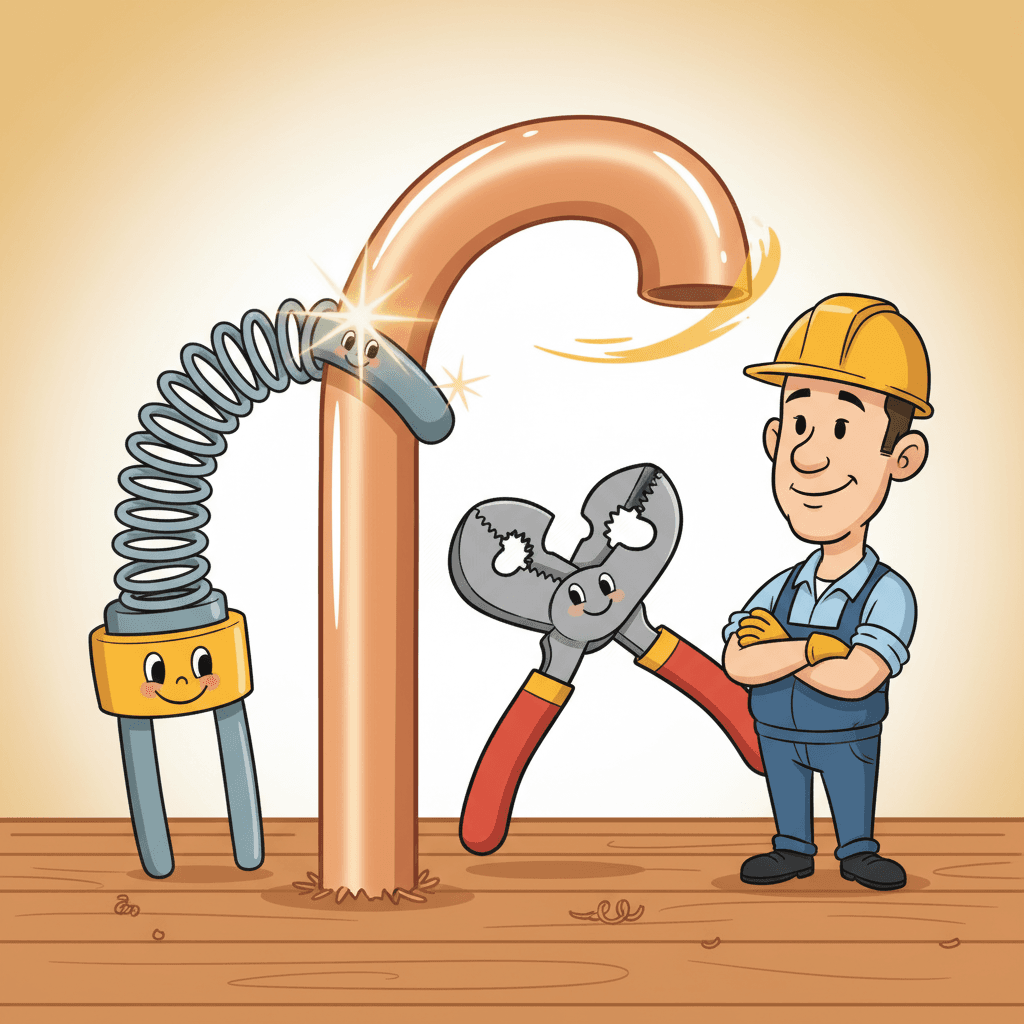
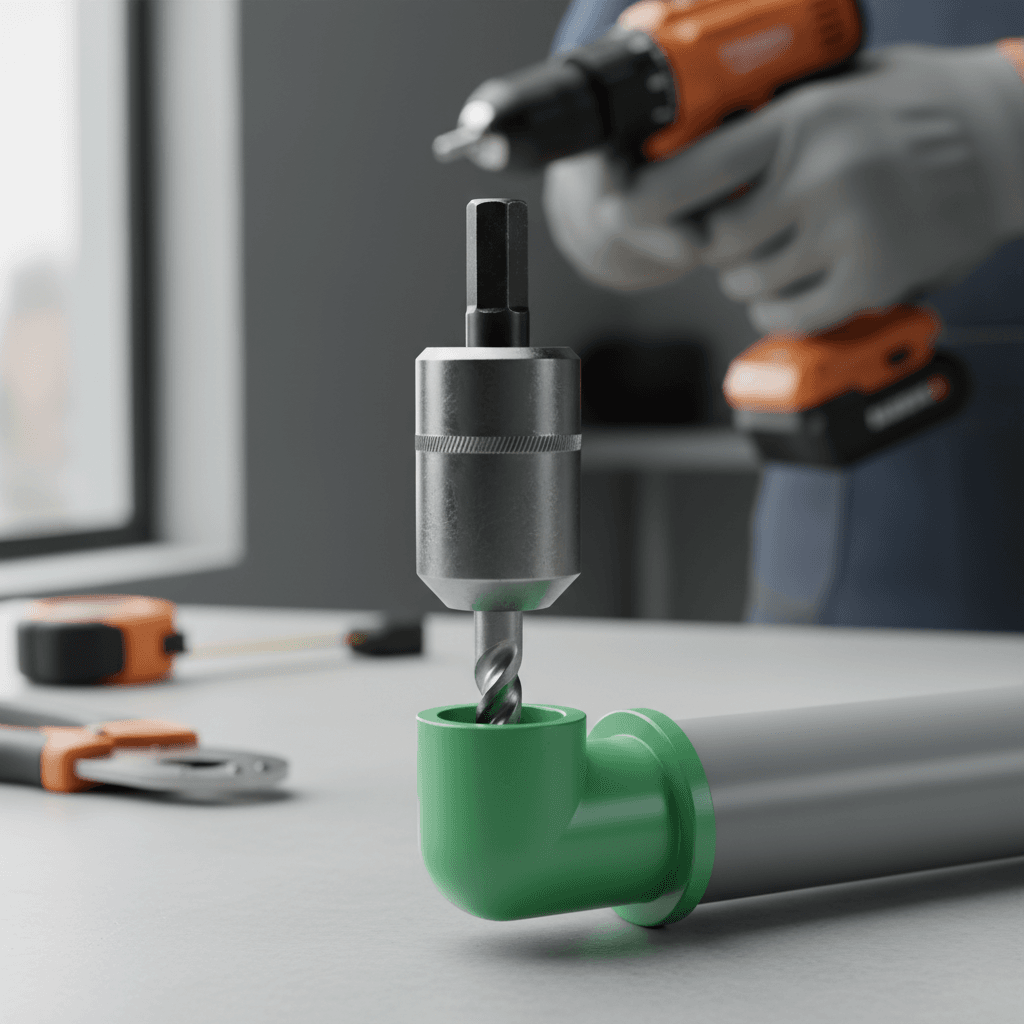
On most jobs, you hear it before you see it. A tap snaps shut and the pipes bang like a drum. A very smart plumber shared a trick that stops this fast. It’s simple: diagnose water hammer in 2 minutes, then fix it with arrestors, clips, and correct pressure. In this guide, I’ll show you what to check, why it works, and how to do it right. You’ll get clear steps, exact measurements, and timeframes you can trust. No fluff. Just a solid method that protects your work and keeps clients happy.
Quick Answer
A very smart plumber shared a trick: do a 2-minute hammer test to find the loudest line, then fit mini water hammer arrestors within 300 mm of fast-closing valves, add pipe clips, and set pressure to about 2–3 bar. This stops the bang, protects joints, and takes 20–45 minutes.
Table of Contents
Key Takeaways
- The 2-minute test finds the worst line fast and safely.
- Fit arrestors within 300 mm of fast-closing valves for best results.
- Set pressure to about 2–3 bar; over 4 bar often causes noise.
- Add pipe clips within 300 mm of valves, then every 1.2–1.5 m.
- Most fixes take 20–45 minutes and solve the problem on the first visit.
Why Water Hammer Happens
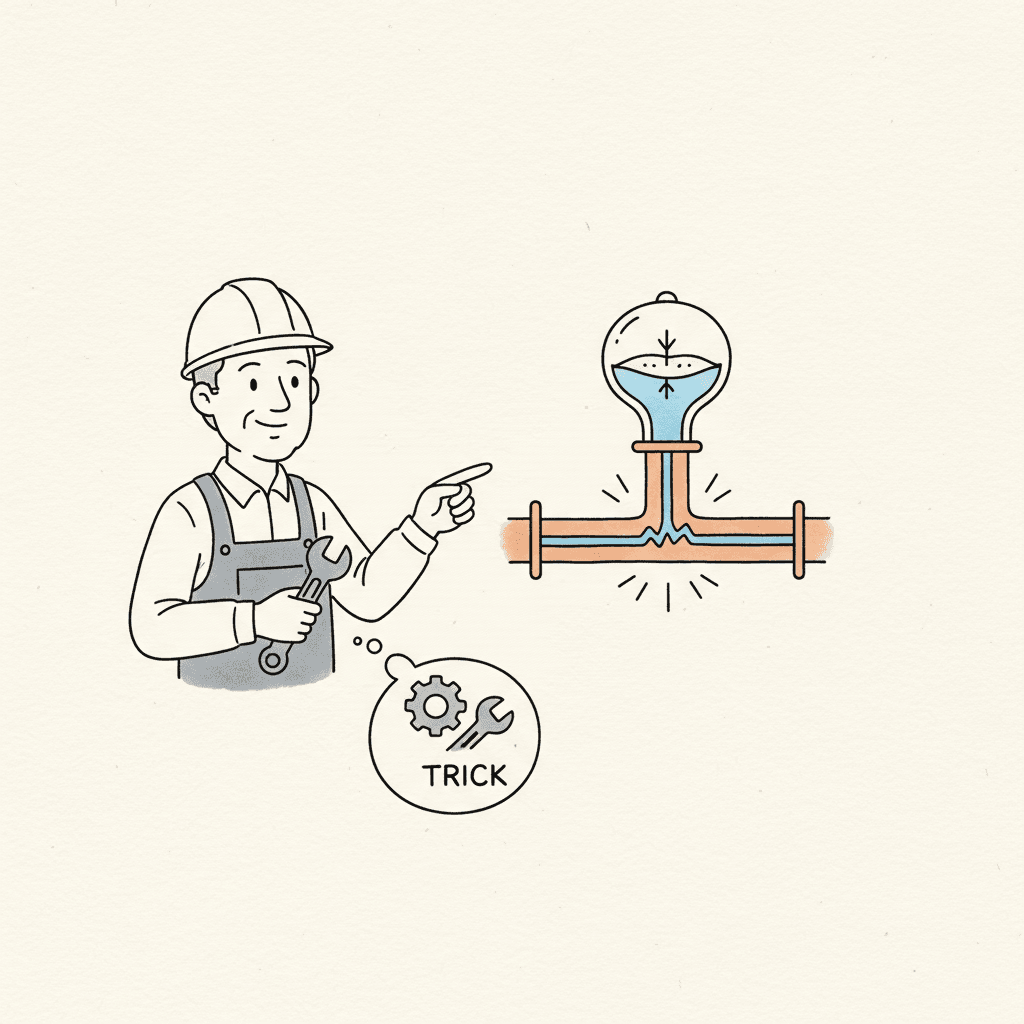
When a valve shuts quickly, water stops suddenly. The flow’s momentum hits a dead end. That shock wave shakes pipes and joints. You hear bangs. You might also see joints weep over time.
Common triggers:
- Quarter-turn taps and ceramic cartridges
- Solenoid valves in washing machines and dishwashers
- Loose or un-clipped pipe runs
- High static pressure (often above 4 bar)
The cure is simple: give the shock somewhere to go, reduce the force, and stop movement. That’s the logic behind this method.
Why A Very Smart Plumber Shared a Trick Works
A very smart plumber shared a trick because speed matters on site. You need a fast test, clear signs, and a proven fix. This approach:
- Finds the loudest run in under 2 minutes
- Targets the source with arrestors placed close (within 300 mm)
- Controls= pressure to 2–3 bar, which most homes prefer
- Locks pipes with clips so the shock can’t travel
It’s tidy, teachable, and repeatable. You can use it on 15 mm and 22 mm copper, or standard 1/2" and 3/4" flex lines.
The 2-Minute Hammer Test
A very smart plumber shared a trick: test before you touch anything. Here’s the quick version.
- Close all taps and appliances. Note the meter or gauge reading if present.
- Open a quarter-turn tap fully, then snap it shut. Do it 2–3 times.
- Listen and feel the walls. Place your hand on the pipe or boxing. Find where it’s loudest.
- Repeat at the washing machine and dishwasher. Start a fill cycle, then pause to trigger the valve shut. Listen again.
- Mark the worst spot. That’s where you’ll add arrestors and clips first.
Time: 90–120 seconds. No tools needed beyond your ears and hands.
Step-by-Step Fix: Arrestors, Clips, Pressure
A very smart plumber shared a trick that’s reliable because it’s systematic. Follow these numbered steps.
-
Measure Static Pressure
- Fit a gauge to an outside tap or a washing machine valve.
- If static pressure is above 4 bar, install a pressure reducing valve (PRV) and set it to 2–3 bar.
-
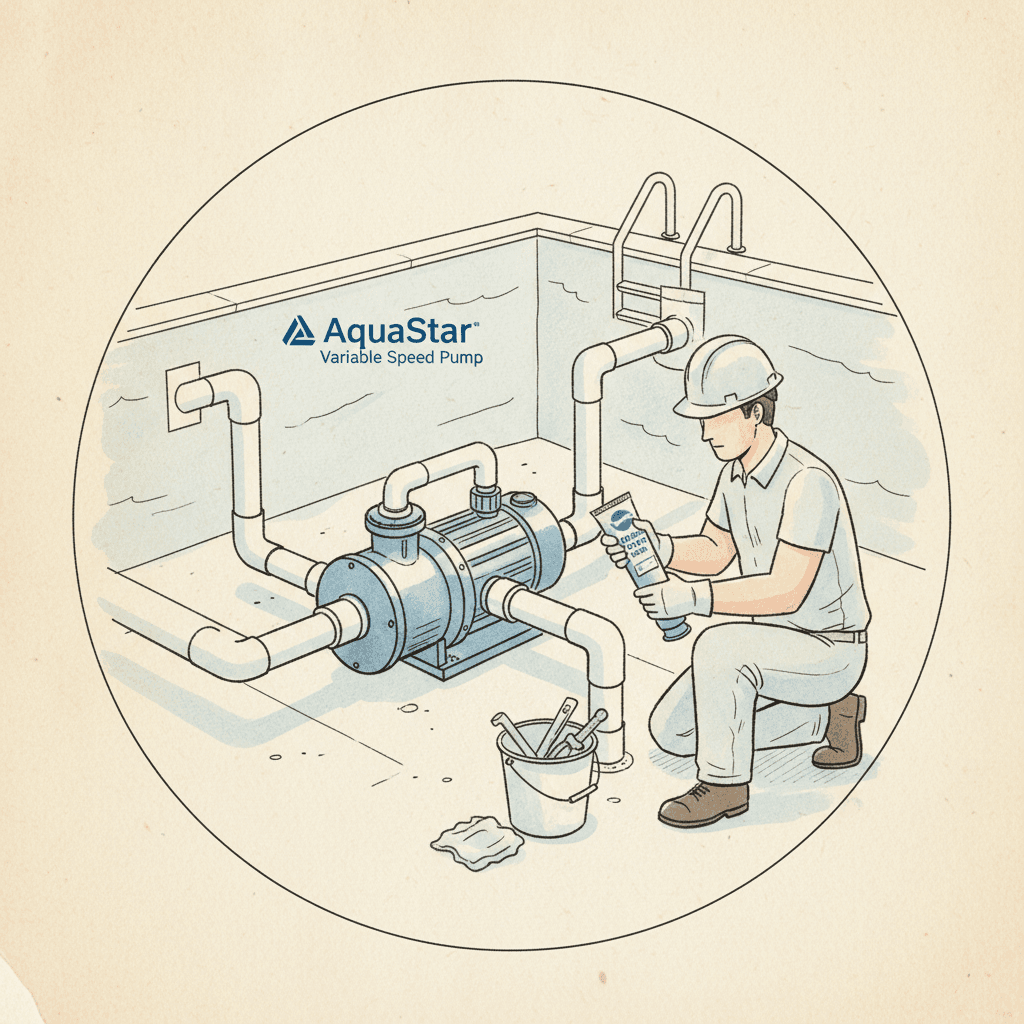
Fit Mini Water Hammer Arrestors
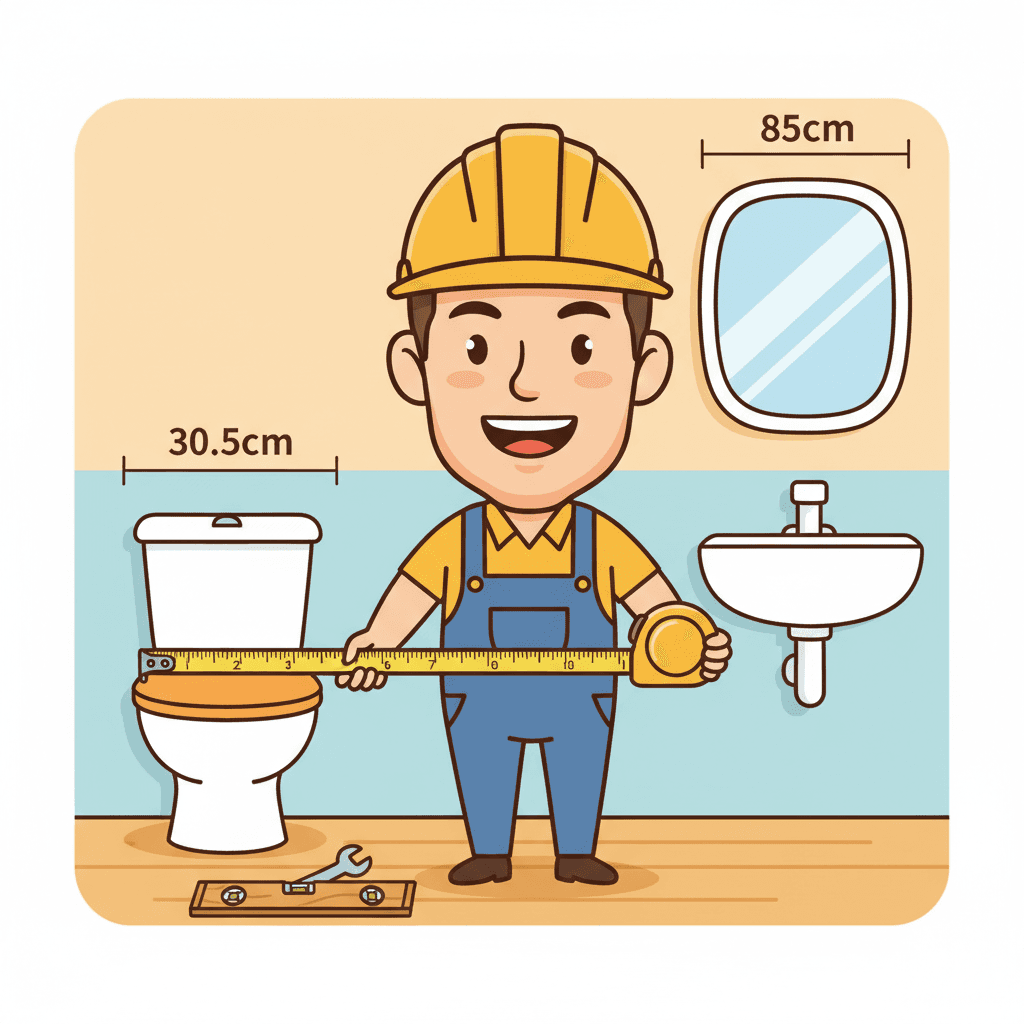
- Place them within 300 mm of the fast-closing valve (washing machine, dishwasher, or the noisy tap line).
- Use 15 mm or 1/2" arrestors to match the line. Keep them vertical or per maker’s spec.
- Tighten to snug plus a quarter turn. Don’t over-torque.
-
Add Pipe Clips to Stop Movement
- Clip within 300 mm of each valve or fitting.
- Then every 1.2–1.5 m along straight runs.
- Use felt- or rubber-lined clips where noise is worst.
-
Check Flex Hoses and Cartridges
- Short, narrow-bore hoses snap shut harder. Use 300–500 mm hoses with a decent bore.
- Stiff or worn cartridges can slam; replace if needed.
-
Retest and Fine-Tune
- Repeat the 2-minute test. If any bang remains, add one more arrestor on the hot or cold branch that’s loudest.
- Re-check pressure and clips. Aim for silent shuts on 3–4 fast-close cycles.
Most jobs take 20–45 minutes. Many contractors find you can finish inside one visit with basic van stock.
Quick Temporary Fixes (Use With Care)
Sometimes you need quiet now, then a proper fix later. A very smart plumber shared a trick for that too.
- Throttle a service valve by 1/4 turn to reduce flow. This softens the slam. It’s a stop-gap, not the cure.
- Bleed air from the line. Air pockets can ring, but this alone rarely solves hammer.
Never throttle boiler feeds or safety devices. Label any temporary setting and plan the permanent fix.
Use simple gear. Keep it consistent.
- Pressure gauge: 0–10 bar range is fine
- PRV: set to 2–3 bar for domestic systems
- Mini arrestors: 15 mm or 1/2", fit within 300 mm
- Pipe clips: every 1.2–1.5 m, and within 300 mm of fittings
- Spanners: two adjustables, or 17 mm/19 mm as needed
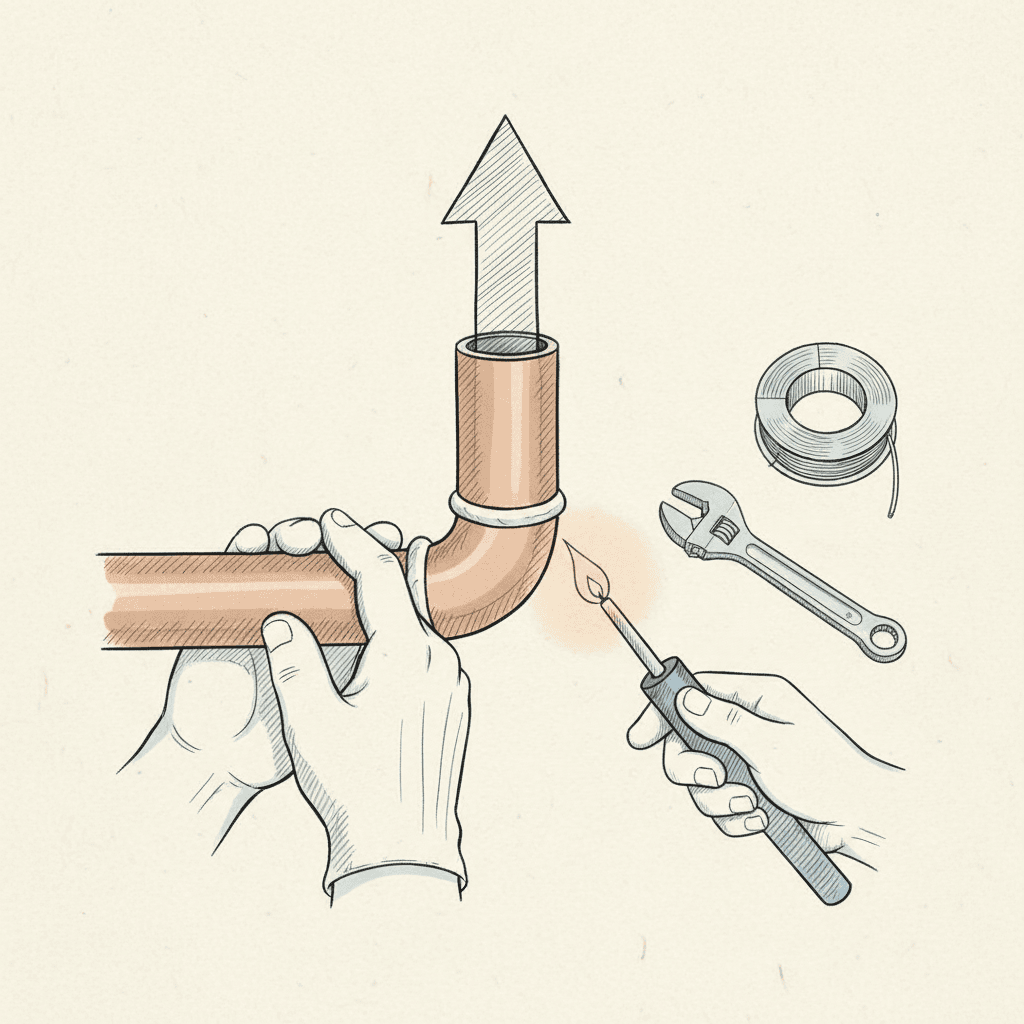
- Jointing compound and a few wraps of PTFE on olives if a weep appears (use lightly; the olive makes the seal)
This pairs well with understanding professional proposals, project timelines, and invoice templates you can reuse on small call-outs.
Make It Stick: Testing and Client Notes
A very smart plumber shared a trick, but the finish matters too.
- Document readings: “Pressure set to 2.5 bar. Arrestors fitted within 300 mm on cold feed to washer.”
- Record time: “Tested 3 cycles. No residual noise.”
- Add maintenance tips: “Re-test annually. Replace flex hoses every 5–7 years.”
Clients like clear notes. It reduces call-backs and shows you did more than “tighten a valve.” If you’re also looking to streamline professional proposals or standardise invoice templates, our other guides cover those basics.
FAQ
Does an arrestor fix every case of water hammer?
Usually, yes, when placed within 300 mm of the fast-closing valve and combined with proper clipping and correct pressure (about 2–3 bar). If noise remains, check for loose pipes in walls, narrow-bore hoses, or a failing cartridge.
What pressure should I set for a typical home?
In general, 2–3 bar feels right for most UK homes. Over 4 bar often causes noise and stresses joints. Fit a PRV if needed and set it around 2.5 bar, then retest.
Where exactly should I install a mini arrestor?
As close as you can to the problem valve, ideally within 300 mm. For appliances, fit one on the cold feed at the isolation valve. For a noisy basin, fit it on the supply tail under the sink.
Is throttling a service valve a safe long-term fix?
No. It’s a quick, temporary measure. It can reduce noise short-term, but the best fix is proper pressure, solid clipping, and a correctly placed arrestor. Never throttle safety lines or boiler circuits.
How long does this job normally take?
Most jobs take 20–45 minutes once you’ve tested and planned the layout. The 2-minute test tells you where to start. Fitting two arrestors and adding clips is usually a single-visit task.
Conclusion
A very smart plumber shared a trick that really works: test fast, fit arrestors within 300 mm, set pressure to 2–3 bar, and clip the line tight. Do those four things and the bang goes away. Next steps:
- Run the 2-minute hammer test on each noisy line.
- Fit arrestors and clips where it’s loudest. Retest 3–4 times.
- Log pressure and parts so repeat jobs take 10–15 minutes.
If you want to capture job notes and turn them into clean paperwork quickly, tools like Donizo help you create proposals, get e-signatures, and convert to invoices in one click. Fix the noise, document the win, and move on to the next call with confidence.