Intro
On winter jobs, ice stops work and causes damage fast. You need speed and control. A good method for hot melting with water gives you both. You use controlled hot water to thaw frozen pipes and cut channels through ice dams. It’s safe for most materials when done right. In this guide, I’ll show the simple setup, exact temperatures, and a clear process. You’ll see what to do, what to avoid, and how to document the work. Follow these steps, and you’ll solve the problem without creating a bigger one.
Quick Answer
A good method for hot melting with water uses 120–140°F water at a steady 1–2 gpm to thaw pipes and melt ice dams. Start low, move slowly, and keep runoff under control. Increase temperature in small steps, watch materials, and stop if you see steam or swelling.
Table of Contents
Key Takeaways
- Use 120–140°F water and 1–2 gpm flow for most jobs.
- Warm gradually in 10°F steps to avoid thermal shock.
- Keep the nozzle 6–12 inches off shingles; avoid pressure.
- Catch and pump runoff; protect interiors and landscaping.
- Document temps, time, and photos. It protects your margin.
Before You Start: Safety and Site Prep
Cold jobs add risk. Slow down for five minutes and prep.
- Kill power to heat cables and nearby circuits. Use a GFCI.
- Lay tarps and plastic. Use towels and a wet vac indoors.
- Set up a sump pump and hose to move meltwater outside.
- Salt or sand walkways. Ice around you is as risky as the job.
- Confirm pipe material: PEX, PVC, or copper. Each reacts differently.
If you also need to improve change control or invoice templates, consider reading a guide on professional proposals and clear scope language. It pairs well with this work.
You don’t need fancy gear. You need the right basics.
- Portable hot-water source: 120–180°F adjustable output.
- Hoses: 3/8–1/2 inch ID for good flow and control.
- Nozzles: fan tip for roofs; low-pressure jet for pipes.
- Temperature gauge at the wand. A clip-on is fine.
- Flow meter (optional) to hold 1–2 gpm.
- Wet vac, towels, and a small sump pump for runoff.
- Infrared thermometer for surfaces. Aim for steady readings.
Set your heater to 120°F to start. You can step up later if needed. Keep pressure low. You’re melting ice, not blasting concrete.
A Good Method for Hot Melting With Water: Frozen Pipes
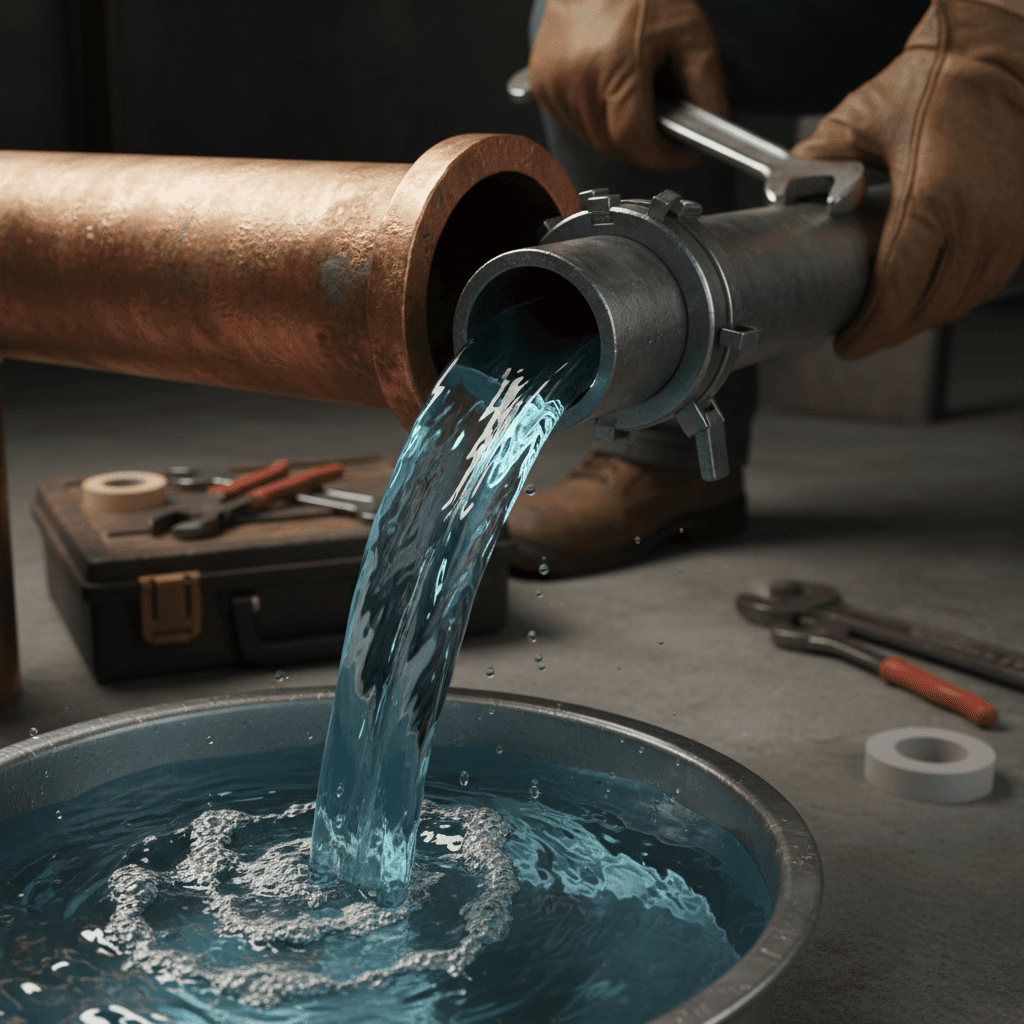
This is where A good method for hot melting with water shines. You want controlled heat and steady movement. Here’s a simple, safe sequence.
- Identify the freeze point. It’s usually near an exterior wall or crawlspace.
- Open the nearest faucet to relieve pressure. Crack others if possible.
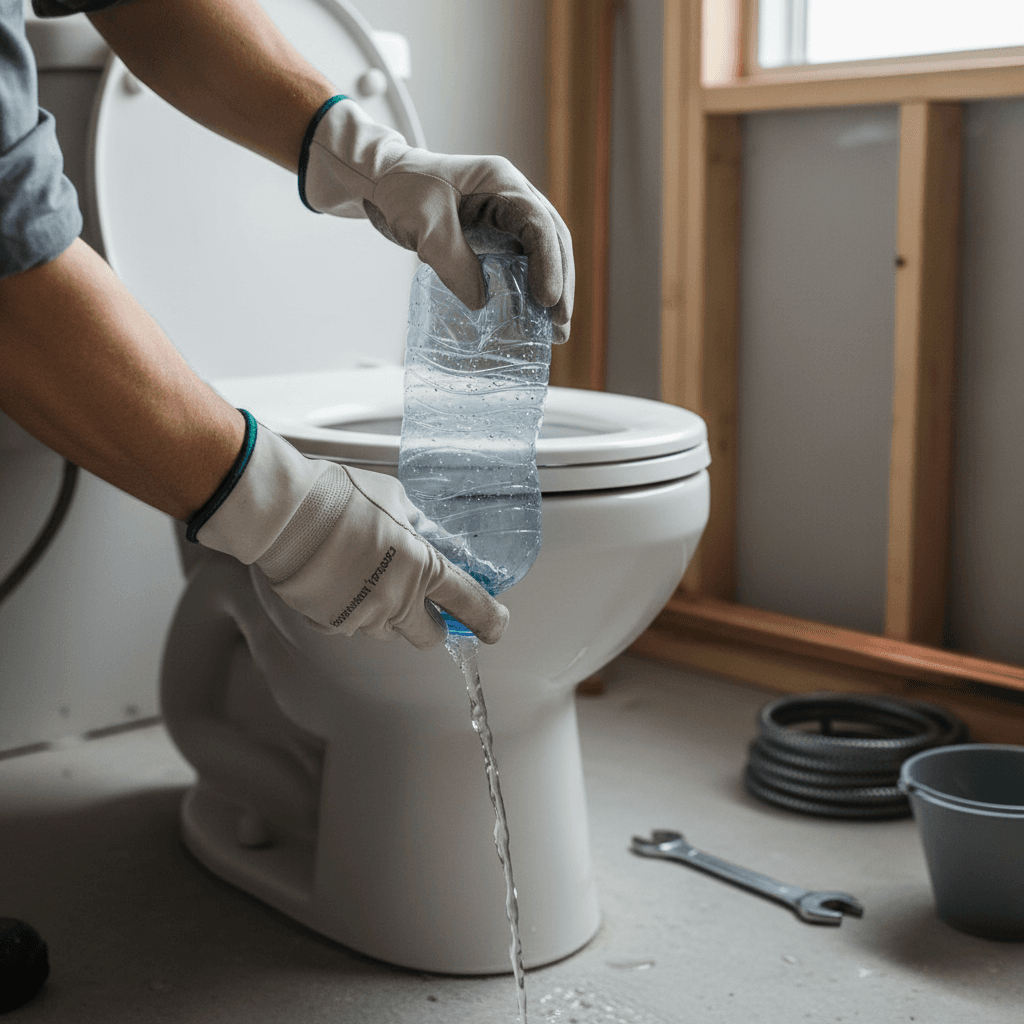
- Protect the area. Put down towels and a drain pan under fittings.
- Start at 120°F water, around 1 gpm. Keep a gentle, steady stream.
- Warm the pipe surface first for 2–3 minutes. Use a towel as a heat sink.
- Feed warm water along the pipe route if accessible. For supply lines, flow from the fixture back toward the source.
- Increase temperature in 10°F steps, up to 140°F for PEX/PVC. Copper can handle 160°F, but only if needed.
- Keep moving. Don’t hold the stream on one spot more than 10–20 seconds.
- Listen for flow returning. You’ll hear gurgling, then a steady run. Keep the faucet open for 3–5 minutes.
- Inspect for splits and leaks immediately. Check every 2–3 feet.
Most lines thaw in 15–60 minutes. Stay patient. Aggressive heat can split a pipe. A good method for hot melting with water uses time and flow, not high pressure.
Pipe Material Notes
- PEX: Keep surface under 140°F. Watch for kinks and swelling.
- PVC/CPVC: Limit to 130–140°F. Heat slowly to avoid cracks.
- Copper: Briefly okay to 160°F, but start low. Solder joints can move.
A Good Method for Hot Melting With Water: Ice Dams and Gutters
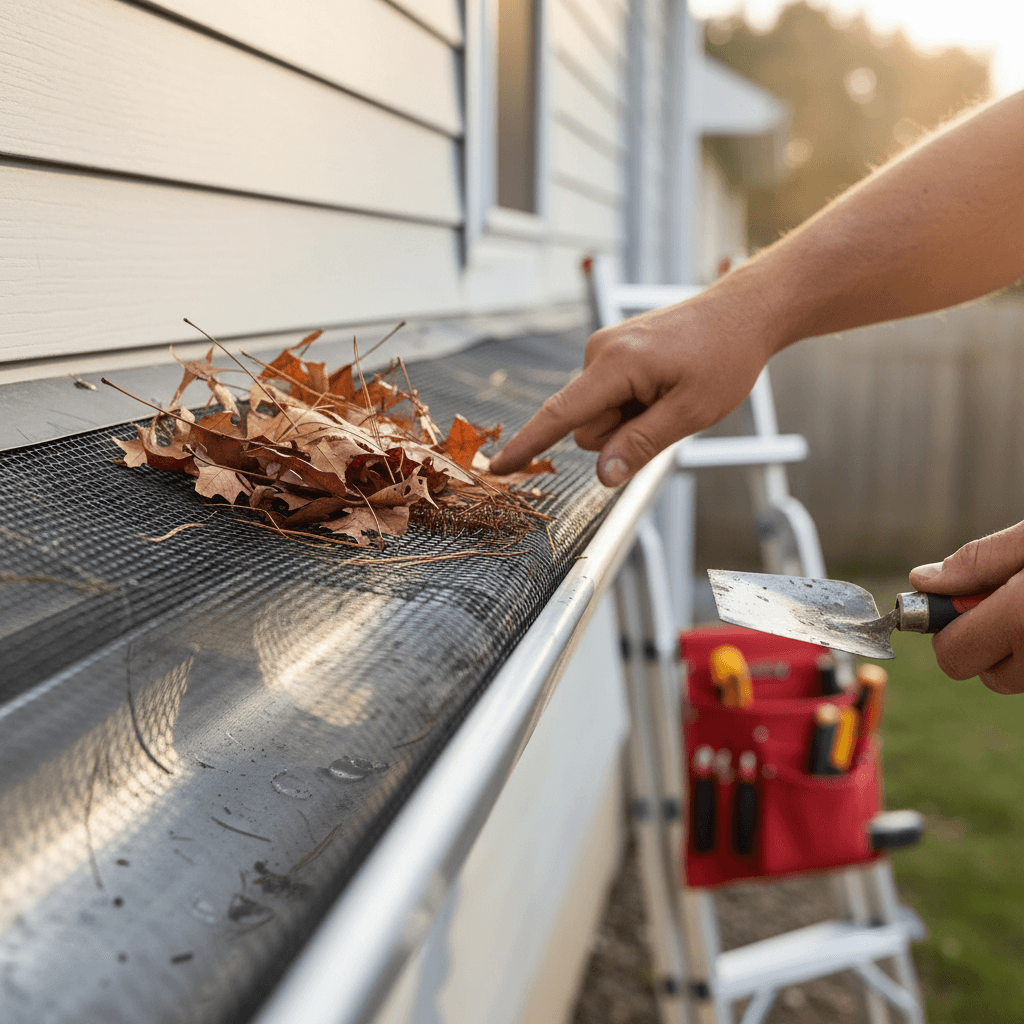
On roofs, A good method for hot melting with water is about control. You’re opening drain channels, not stripping shingles.
- Clear ground hazards. Cone off the drip zone and walkways.
- Start with 120–130°F water at 1–2 gpm. Use a wide fan tip.
- Stand back 6–12 inches from shingles. Let heat, not force, do the work.
- Cut 2–4 inch channels straight down the dam, every 12–18 inches.
- Once water flows to the gutter, widen channels to 4–6 inches.
- Flush gutters and downspouts with 120–130°F water for 2–3 minutes.
- Use socks filled with sand to keep channels open after you leave.
- Protect landscaping with plywood and tarps. Divert runoff to a safe drain.
Typical time is 30–90 minutes per 20–30 linear feet, depending on thickness. A good method for hot melting with water aims to restore drainage fast, then finish cleanup without lifting shingles or flooding eaves.
- Never use high pressure. Keep under 600 psi on roofing surfaces.
- Avoid metal pry bars. Heat does the lifting safely.
- Don’t exceed 140°F on aging asphalt shingles.
- Check soffit vents for water intrusion during melting.
Avoid Common Mistakes and Damage
Most callbacks come from rushing. Avoid these errors.
- Overheating: Jumping to 170°F can deform PEX and flash-steam ice.
- Static heating: Holding in one spot for 60 seconds cooks materials. Move.
- High pressure: 3000 psi will shred shingles and caulk. Stay gentle.
- No runoff plan: One gallon per minute equals 60 gallons in an hour. Pump it.
- Skipping inspection: Ice splits pipes. Always test every valve and joint.
- Power on: Live heat cables and water don’t mix. Use a GFCI and lockout.
- No photos: You need before, during, after shots for scope and liability.
A good method for hot melting with water prevents these issues by keeping temps moderate, moving steadily, and controlling water from start to finish.
Pricing, Time, and Documentation
Clients want clear expectations. Keep it simple and firm.
- Time: Frozen supply lines often take 30–120 minutes. Roof ice runs 1–3 hours per 30 feet.
- Scope: Thawing restores flow and drainage. It does not fix prior damage.
- Rates: Charge by hour with a 1-hour minimum. Add materials and mobilization.
- Photos: Capture start conditions, setup, thaw progress, and final flow.
- Notes: Log water temperature, flow rate, and start/end times.
When you win emergency calls, fast paperwork matters. Capture details by voice, add photos, and send a clean proposal with tools like Donizo. After approval, convert it to an invoice in one click and keep moving.
A good method for hot melting with water also needs clear terms. If more issues appear, a simple change order keeps scope tight and margins safe.
FAQ
What temperature water should I use to thaw pipes?
Start at 120°F and increase in 10°F steps. Stay under 140°F for PEX and PVC. Copper can handle up to 160°F briefly, but only if needed. Watch for steam and backing pressure. If you see either, reduce heat and flow.
Can I use a pressure washer for hot water melting?
Yes, if it’s a hot-water unit and you keep pressure low. Use 1–2 gpm and stay under 600 psi on roofs. For pipes, avoid pressure at fittings and joints. You’re aiming for heat transfer, not abrasion.
How do I prevent flooding inside the building?
Open fixtures before thawing. Catch water under valves and traps. Use a wet vac and a small sump pump. Plan a route for 30–60 gallons per hour if you run 1 gpm. Keep someone on water watch while you thaw.
Will hot water damage PEX, PVC, or copper?
It can if it’s too hot or held in one spot. Keep PEX and PVC under 140°F and move constantly. Copper is tougher but watch solder joints and old valves. Warm gradually to reduce thermal shock.
How long does a thaw usually take?
Most pipe thaws take 15–60 minutes per run, depending on length and freeze depth. Ice dams can take 30–90 minutes per 20–30 feet. Heavy, layered ice takes longer. The key is steady heat and controlled runoff.
Conclusion
A good method for hot melting with water is simple: moderate heat, steady flow, and strict control of runoff. Start at 120°F, move slowly, and increase only as needed. Document everything. Next steps: 1) Build a thaw kit with a temp gauge and sump pump. 2) Create a checklist for pipes and roofs. 3) Log temps and time on every job. If you need fast, clean paperwork on emergency calls, platforms such as Donizo help you capture details, send proposals, get e-signatures, and invoice quickly. Use this method, and you’ll fix the problem without adding risk.