Intro
A very smart plumber shared a trick! It’s simple, cheap, and fast. When a toilet clogs, skip harsh chemicals. Use dish soap and hot water first. This method often clears soft clogs in 15–30 minutes. You avoid pulling the toilet or snaking right away. In this guide, I’ll show you how it works, when to use it, and the exact steps. I’ll also share backup moves with a plunger or a shop vac. On most jobs, this saves time and mess. Let’s keep it easy and safe.
Quick Answer
A very smart plumber shared a trick: add 1 cup of dish soap to the bowl, wait 10–15 minutes, then pour in 1 gallon of hot (120–140°F) water from waist height. Repeat up to 3 times. This lubricates the drain, breaks surface tension, and helps the clog slide through.
Table of Contents
Key Takeaways
- Soap + hot water clears many clogs in 15–30 minutes.
- Use 1 cup soap, 1 gallon water, 120–140°F (not boiling).
- Try up to 3 cycles before changing tactics.
- Plunge 6–8 firm strokes with a tight seal if needed.
- Stop if water rises within 1 inch of the rim.
Why "A Very Smart Plumber Shared a Trick!" Works
This trick is clean science. A very smart plumber shared a trick! Soap is a surfactant. It reduces friction and breaks surface tension. Waste moves easier through the trapway. Hot water (120–140°F) helps soften and shift the clog. It also adds steady push without shock.
Most soft clogs come from paper buildup. Heavy paper can bunch up in the trap. Soap coats that paper. Water from waist height adds gentle force. No splashing. No damage. Many contractors report this clears typical clogs in one or two cycles.
What it won’t fix: hard objects, toys, wipes, or a mainline backup. In those cases, use a plunger, a shop vac, or a proper auger.
Step-by-Step: "A Very Smart Plumber Shared a Trick!"
Follow these exact steps. A very smart plumber shared a trick! Keep it simple and safe.
-
Stabilize the bowl level.
- If the bowl is full, wait 5 minutes for the level to drop.
- If it doesn’t drop, remove 2–3 cups with a small container.
- Shut the supply valve if needed.
-
Add the soap.
- Pour in 1 cup (8 fl oz) of liquid dish soap.
- No dish soap? Use 1/2 cup shampoo or liquid hand soap.
-
Wait 10–15 minutes.
- Let the soap coat the trap and paper.
- This dwell time matters. Don’t rush it.
-
Heat the water.
- Use 1 gallon (about 3.8 L) of hot water at 120–140°F.
- Do not use boiling water. It can crack the bowl.
-
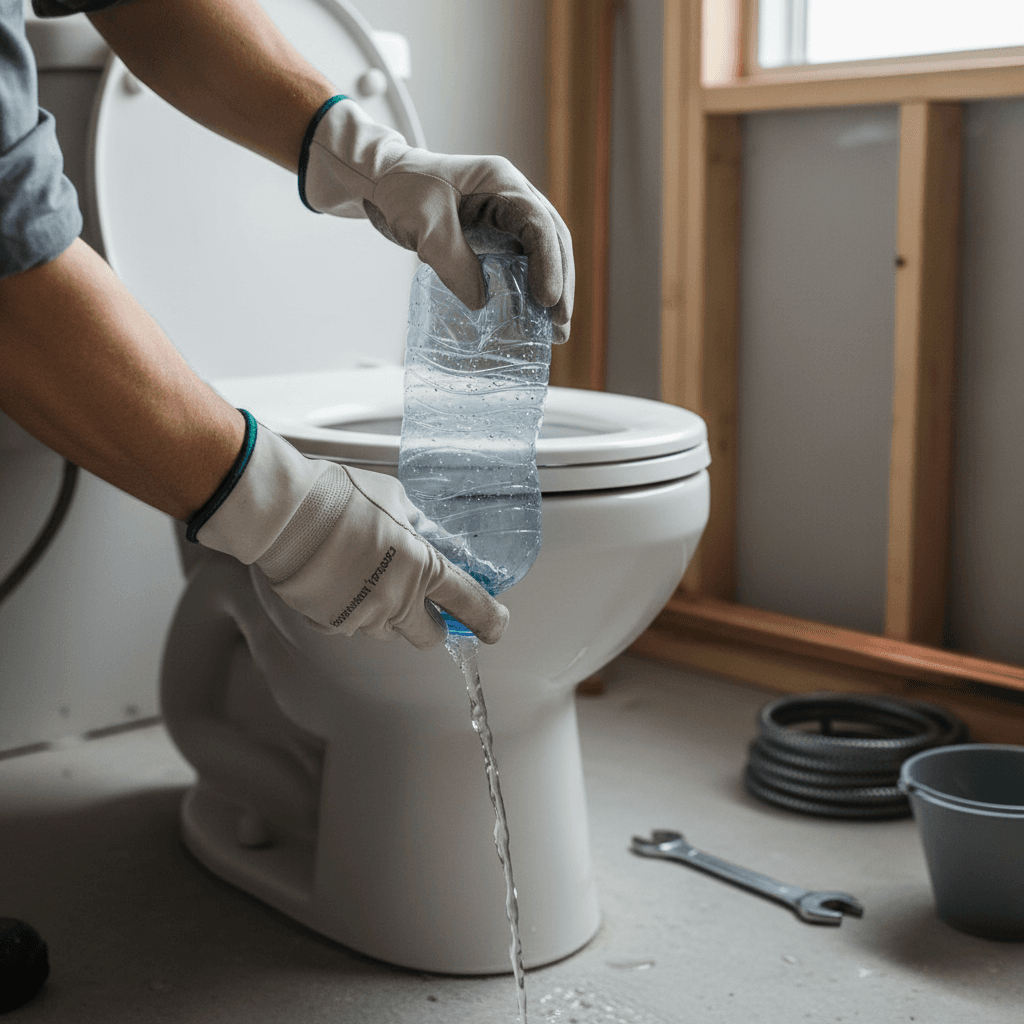
Pour from waist height.
- Pour in a steady stream from 2–3 feet above the bowl.
- Aim for the center. Avoid splashing over the rim.
-
Watch the level for 3–5 minutes.
- If the level drops 1–2 inches, you’re on track.
- If it fully drains, flush once to confirm.
-
Repeat up to 3 times.
- Add another 1/2 cup soap only if needed.
- Most clogs clear by the second cycle.
-
Final check.
Tip: Lay towels around the base. Keep a 5-gallon bucket nearby. Work tidy and fast.
Backups: When to Plunge or Use a Shop Vac
Sometimes the soap method needs help. A very smart plumber shared a trick! Pair it with the right backup.
-
Plunger method:
- Use a flange plunger. Seat it tight in the outlet.
- Push down gently first to expel air.
- Plunge 6–8 firm strokes. Keep the seal.
- Pull up sharply at the end. Check flow.
- Repeat 2–3 sets if needed.
-
Shop vac method (pro move):
- Use a wet/dry vac (5 gallons or larger).
- Remove most bowl water first.
- Wrap a rag around the nozzle for a good seal.
- Vacuum 20–30 seconds. Listen for the clog release.
- Rinse the vac with a disinfectant after.
-
Closet auger (for hard objects):
- Use a 3–6 foot closet auger with a bowl guard.
- Feed gently. Don’t scratch the porcelain.
- Crank and pull back slowly. Clear debris.
If there’s gurgling in a tub or shower, the mainline may be blocked. Stop and diagnose before pushing more water.
Safety, Limits, and When to Call It
A very smart plumber shared a trick! But respect the limits.
- Never use boiling water. It can thermal-shock the bowl.
- Avoid chemical drain openers in toilets. They don’t help here.
- Don’t mix chemicals with bleach or acids. Dangerous fumes.
- Stop if water rises within 1 inch of the rim.
- If the toilet overflows, close the supply valve. Mop up fast.
Call it after 3 failed cycles or 10–15 minutes of plunging. Also call it if multiple fixtures back up, you smell sewage, or you hear gurgling from a nearby drain. That points to a bigger blockage or a vent issue.
Turn a Quick Fix Into a Professional Job
You cleared the clog. Good. Now prevent the next one and book the follow-up. A very smart plumber shared a trick! Use that win to offer simple add-ons:
- Adjust the fill valve and flapper (10 minutes).
- Swap to a quality 2-inch flapper; set chain slack to 1/4 inch.
- Set water level about 1 inch below the overflow top.
- Educate the client: no wipes, less paper, regular enzyme dosing (4–6 oz monthly).
When you’re on site, turn that advice into a small proposal on the spot. Tools like Donizo let you speak notes, add a quick photo, and send a clean proposal for a flapper change or a toilet rebuild. Clients can e-sign fast, and you can convert to an invoice in one click.
Internal linking opportunities you might add to your site:
- Link “professional proposals” to a clear how-to on writing scope and pricing.
- Link “project timelines” to a simple scheduling and job sequencing guide.
- Link “invoice templates” to a downloadable, plumber-focused invoice template.
- Link “pricing strategies” to a breakdown of flat-rate vs. T&M for service calls.
FAQ
Does dish soap damage toilets or pipes?
No. In small amounts, dish soap is safe for toilets and drain lines. It breaks surface tension and lubricates waste. Rinse with a normal flush after the clog clears. Avoid thickening agents or unusual cleaners. Keep it simple: standard dish soap works best.
Can I use boiling water to clear a clog?
Don’t. Boiling water can crack porcelain due to thermal shock. Use hot water at 120–140°F instead. Heat a kettle, let it sit 1–2 minutes, then pour. Or mix hot tap water from a shower or laundry faucet until it’s very warm, not scalding.
What if I don’t have dish soap?
Use 1/2 cup shampoo or liquid hand soap. Shave a small amount of plain bar soap and dissolve it in hot water if you must. Avoid foaming too much. The key is lubrication, not bubbles.
How many times should I repeat the method?
Up to 3 cycles. Use 1 cup soap first, wait 10–15 minutes, then pour 1 gallon of hot water. If there’s little improvement after 2–3 tries, switch to a plunger, shop vac, or a closet auger.
When should I call a plumber?
Call if the bowl fills fast, if water rises within 1 inch of the rim, if multiple fixtures back up, or if you’ve tried 3 cycles plus 10–15 minutes of plunging with no change. That often means a hard blockage or a mainline issue.
Conclusion
A very smart plumber shared a trick! Dish soap plus hot water clears many soft toilet clogs in 15–30 minutes, with less mess and no chemicals. Use 1 cup soap, wait 10–15 minutes, then 1 gallon of 120–140°F water from waist height. If needed, back it up with a plunger or shop vac. Next steps: 1) Try the method exactly as listed. 2) Stock soap, a flange plunger, and towels on your truck. 3) Turn quick wins into small jobs and send same-day proposals using platforms such as Donizo. Keep it simple, stay safe, and move on to the next call.