PlumbersTake a Look! Bottle Cap Hackplumbingjobsite-hackscontractorstools-and-tips
Plumbers, Take a Look! Bottle Cap Hack Guide
Smart ways to use a simple bottle cap on plumbing jobs. Protect threads, block debris, and make quick shims—fast, safe, and cheap. Step-by-step guide.
Intro
On most jobs, small wins save big time. The Plumbers, Take a Look! Bottle Cap Hack is one of those wins. A clean plastic cap can keep debris out, protect threads, and make quick shims. It costs nothing and takes 5 minutes. In this guide, I’ll show safe, pro ways to use it. I’ll also show what not to do. You’ll learn when the Plumbers, Take a Look! Bottle Cap Hack helps, and when you should use proper test plugs or real caps.
Quick Answer
The Plumbers, Take a Look! Bottle Cap Hack turns a clean plastic cap into a debris guard, thread cover, paint-overspray shield, or thin shim. It’s great for short, low-risk tasks and protection. Never use it on pressurized lines or to block sewer gas. Use only as a temporary aid.
A bottle cap is a free debris guard, thread cover, and thin shim.
Use it only for short, non-pressurized protection (15–30 minutes up to 72 hours).
Do not rely on it for pressure tests or blocking sewer gas.
Works best on 3/8 in and 1/2 in stub-outs and small fixtures.
Keep a few caps (20–30 mm) in your pouch for quick fixes.
Why the Plumbers, Take a Look! Bottle Cap Hack Works
A plastic bottle cap is thin, tough, and easy to cut. It slides over pipes, covers small parts, and resists light bumps. That’s why the Plumbers, Take a Look! Bottle Cap Hack works for short tasks. It blocks dust, paint, and scratches during rough-in and finish. It also makes a slim shim under clips or brackets. Simple material, many uses.
Where It Shines
Open stub-outs during drywall and paint
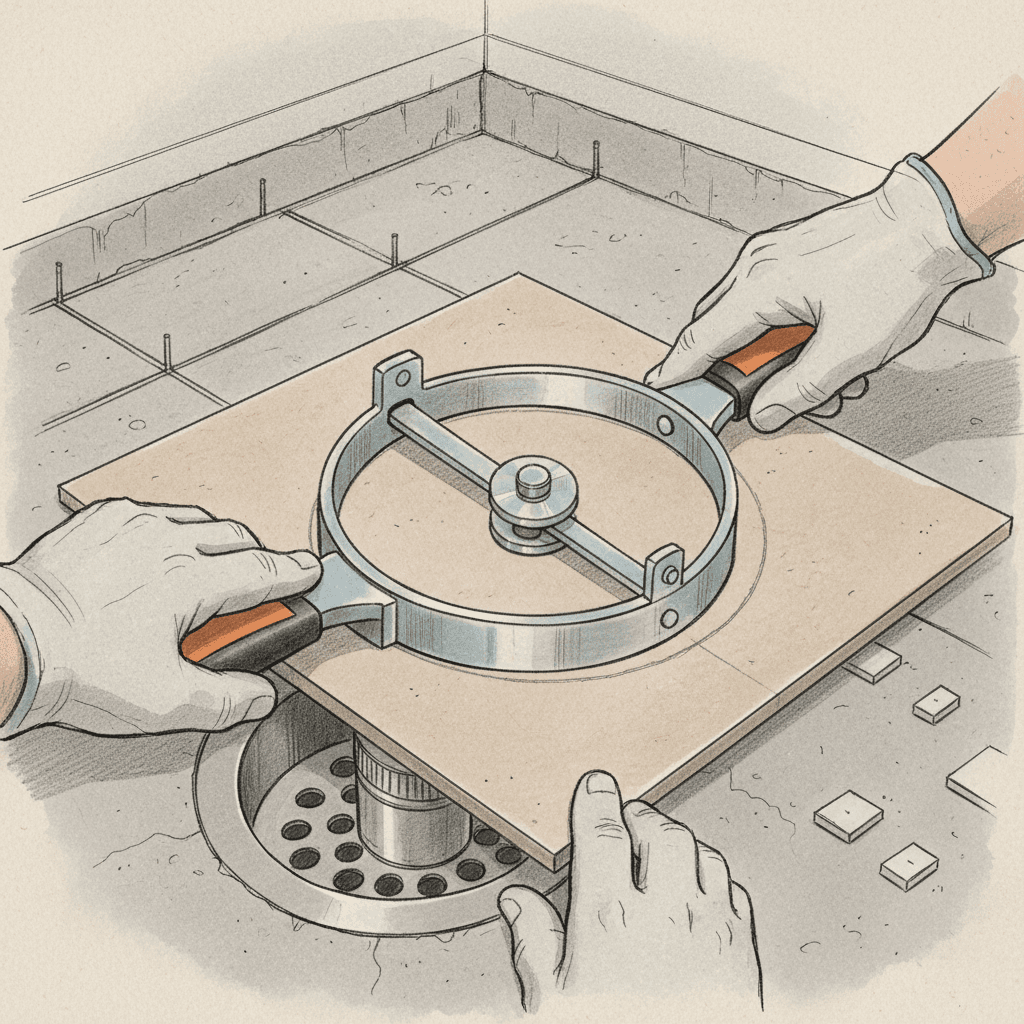
Shower arm or spout nipples during tile work
Angle stop handles when painters spray
Sink clips that need a thin, firm shim (2–3 mm)
Safety First: Plumbers, Take a Look! Bottle Cap Hack Limits
This is not a pressure cap. Never use it to seal active water lines. Never use it to block sewer gas. Use proper test plugs and rated caps for that. The Plumbers, Take a Look! Bottle Cap Hack is for protection and spacing only.
Follow these rules:
No pressure, no gas. Only dirt, dust, paint, or scratch protection.
Keep it temporary: 15–30 minutes for quick tasks, up to 72 hours max on protected finishes.
Label it. A Sharpie note prevents someone from opening a line early.
Remove it before testing or turning on water.
If you need to learn more about writing professional proposals for these small protective add-ons, check our content on professional proposals and invoice templates.
Step-by-Step: Plumbers, Take a Look! Bottle Cap Hack for Debris Guards
Use this on 3/8 in or 1/2 in copper, PEX, or CPVC stub-outs to keep debris out during sanding, mudding, or painting.
Pick a cap: Choose a clean cap about 20–30 mm wide.
Cut a slit: Make a neat X-slit in the center with a utility knife.
Press it on: Push the cap over the pipe until snug.
Tape it: Wrap painter’s tape around the cap and pipe twice.
Label it: Write “TEMP COVER – DO NOT TURN ON.”
Remove and flush: When done, remove the cap, flush the line, and inspect.
Tip: The Plumbers, Take a Look! Bottle Cap Hack here protects ferrules and O-rings from grit. That saves you leaks and callbacks.
Step-by-Step: Overspray Protector for Angle Stops
Painter coming tomorrow? Protect the valve stem and handle fast.
Pick a cap that fits over the stop handle.
Cut a side notch so the stem sits in the notch.
Slide it on and tape once around the stem base.
Add a second tape wrap to seal paint out.
Mark the date. Remove within 72 hours.
Result: The handle turns clean. No scraping paint. The Plumbers, Take a Look! Bottle Cap Hack stops overspray on trim valves without bulky bags.
Step-by-Step: Thread-End Covers and Simple Shims
Two quick jobs, one cap.
A) Thread-End Cover (Shower Arm or Spout Nipple)
Use a cap a bit wider than the fitting.
Place a soft cloth square over the threads.
Press the cap on over the cloth and tape once.
Add a second tape wrap crossing the first.
Remove before setting trim and gaskets.
Why it works: Threads stay clean. Tile grout and thinset won’t chew up 1/2 in NPT threads.
B) Simple Shim Under Sink Clips or Brackets
Flatten the cap with pliers.
Trim a 10–15 mm strip.
Slide it under the clip foot.
Tighten until snug. Don’t overtighten.
This gives a 2–3 mm lift without crushing foam seals. The Plumbers, Take a Look! Bottle Cap Hack here saves a run for specialty shims.
Pro Tips, Tools, and Time Savers
Cut clean: A sharp blade makes better X-slits and neat edges.
Color code: Keep two cap colors—one for water lines, one for finish parts.
Mark depth: Drill a 6 mm hole in a cap to hold self-tapping screws on your driver for overhead work.
Keep a kit: Toss 6–8 caps in a small pouch with tape and a Sharpie.
Document add-ons: If you protect fixtures beyond scope, note it in your work order. This pairs well with understanding project timelines and pricing strategies, so you get paid for protection time.
The Plumbers, Take a Look! Bottle Cap Hack won’t replace real plugs, test caps, or protective boots. But it fills the gap when you just need five minutes of clean, safe cover.
FAQ
Is the bottle cap hack safe for pressurized water?
No. Do not use it on pressurized lines. Use proper caps or shutoffs. The Plumbers, Take a Look! Bottle Cap Hack is for debris, paint, and light protection only.
Can I use a bottle cap to block sewer gas temporarily?
No. Never rely on this for sewer gas. Use rated mechanical test plugs or inflatable plugs. Venting and safety come first.
What cap sizes work best?
Standard drink caps work well. Look for caps around 20–30 mm wide. They fit nicely over 3/8 in and 1/2 in stub-outs when slit and taped.
How long can I leave a cap in place?
Keep it short. Aim for 15–30 minutes during active work. For finishes, up to 72 hours is acceptable if labeled and taped. Remove before testing or turning on water.
Will a bottle cap damage threads or finishes?
Not if you add a cloth square and light tape. Don’t overtighten. Check edges for burrs before covering any delicate surface.
Conclusion
Small, fast, and free—this guide shows how the Plumbers, Take a Look! Bottle Cap Hack protects parts, blocks debris, and makes quick shims. Use it for short, low-risk tasks only. For pressure and gas, use rated plugs. Next steps: 1) Build a small cap kit, 2) Label all temporary covers, 3) Note protection time on your work order. When a quick protective step turns into a small add-on job, tools like Donizo help you capture details and send a clean proposal with e-signature and easy invoicing. Work smart, protect your installs, and keep moving.
Related Articles
Discover more insights and tips for your construction business