Intro
Annual maintenance on tankless water heater systems is simple, fast, and pays off. It keeps flow steady, stops scale build-up, and cuts breakdowns. Most services take 60–90 minutes and prevent cold-shock complaints. In this guide, you’ll get a clear checklist, safe steps, and real numbers. We’ll cover tools, descaling, filters, gas checks, and common faults. You’ll also see how to plan service visits and avoid repeat trips. Follow these steps, and your clients get stable hot water. You get fewer callouts, steadier margins, and clean paperwork.
Quick Answer
Do annual maintenance on tankless water heater units every 12 months. Isolate power and gas, clean the inlet screen, flush with 15–20 litres of white vinegar for 45–60 minutes, rinse, and check temperature and flow. Inspect venting, condensate, and leaks. For very hard water (>180 ppm), descale every 6 months.
Table of Contents
Key Takeaways
- Plan 60–90 minutes for a full service.
- Flush with 15–20 litres of white vinegar for 45–60 minutes.
- Keep outlet temperature at 49–55°C for most homes.
- Clean the inlet screen and any 80–100 mesh pre-filters.
- Hard water >180 ppm? Descale every 6 months.
Why Annual Maintenance Matters for Tankless Units
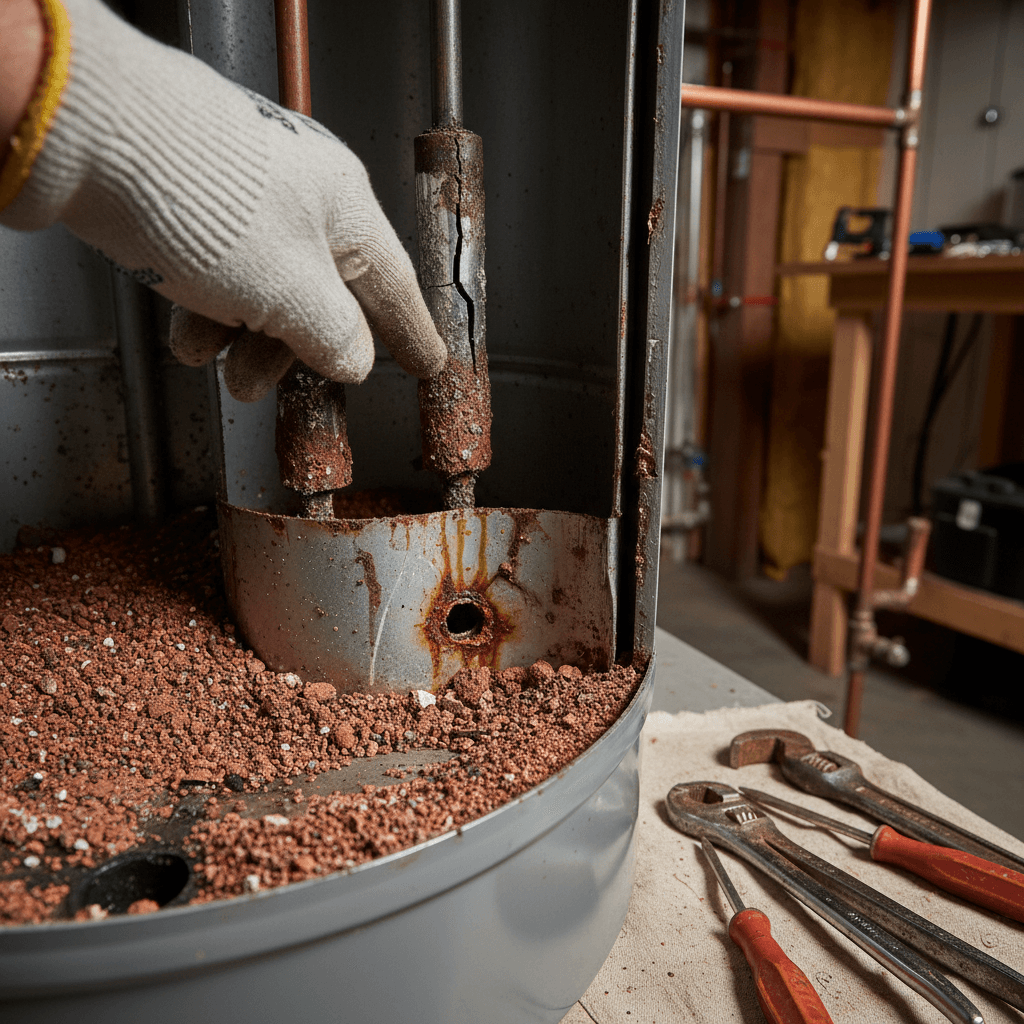
Tankless units hate scale. A thin layer cuts heat transfer, raises noise, and slows flow. That’s when clients report lukewarm taps and fluctuating temps. Annual maintenance on tankless water heater systems removes scale and debris. It keeps sensors clean and stops premature failures. On most jobs, one service avoids multiple call-backs. That saves you 2–3 hours per week over a busy season.
This also protects warranties. Many makers require regular descaling and inspection. Skipping it can void cover. Keep a simple service record with dates, hardness readings, and work done. It proves you did the job right.
Before you start, set the job up right. Safety first, then speed.
- Isolate power at the spur. Confirm with a tester.
- Close cold and hot isolation valves on the service kit.
- Shut the gas valve. In the UK, gas work must follow Gas Safe rules. Only qualified engineers should test pressures or adjust gas valves.
- Let the unit cool for 5–10 minutes if it has just run.
Tools you need
- 2 x 19 mm (3/4") hoses, ~1.5 m each
- Descaling pump (6–10 L/min is fine)
- 15–20 litres food-grade white vinegar (or approved descaler)
- Bucket (20–25 litres)
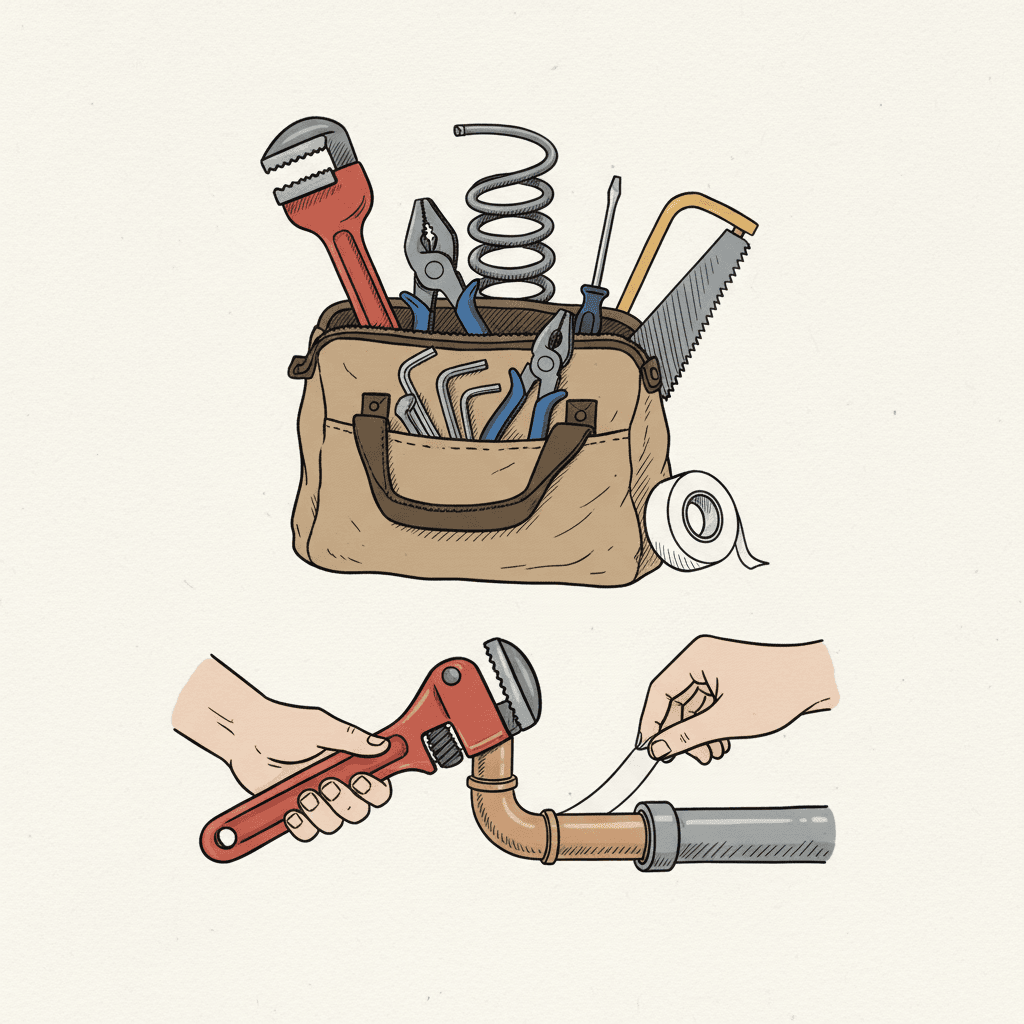
- Screwdrivers, adjustable spanner, towels
- Soft brush, small pick for inlet screen
- TDS or hardness test strips (0–300+ ppm)
Tip: Keep a dedicated pump and hoses only for descaling. They last longer and stay clean.
Annual Maintenance on Tankless Water Heater: Step-by-Step
Follow these steps in order. Simple, steady, and safe.
- Power Down and Isolate
Turn off power. Close cold and hot isolation valves. Shut the gas valve.
- Relieve Pressure
Open a nearby hot tap for 5–10 seconds to release pressure, then close it.
- Hook Up Hoses
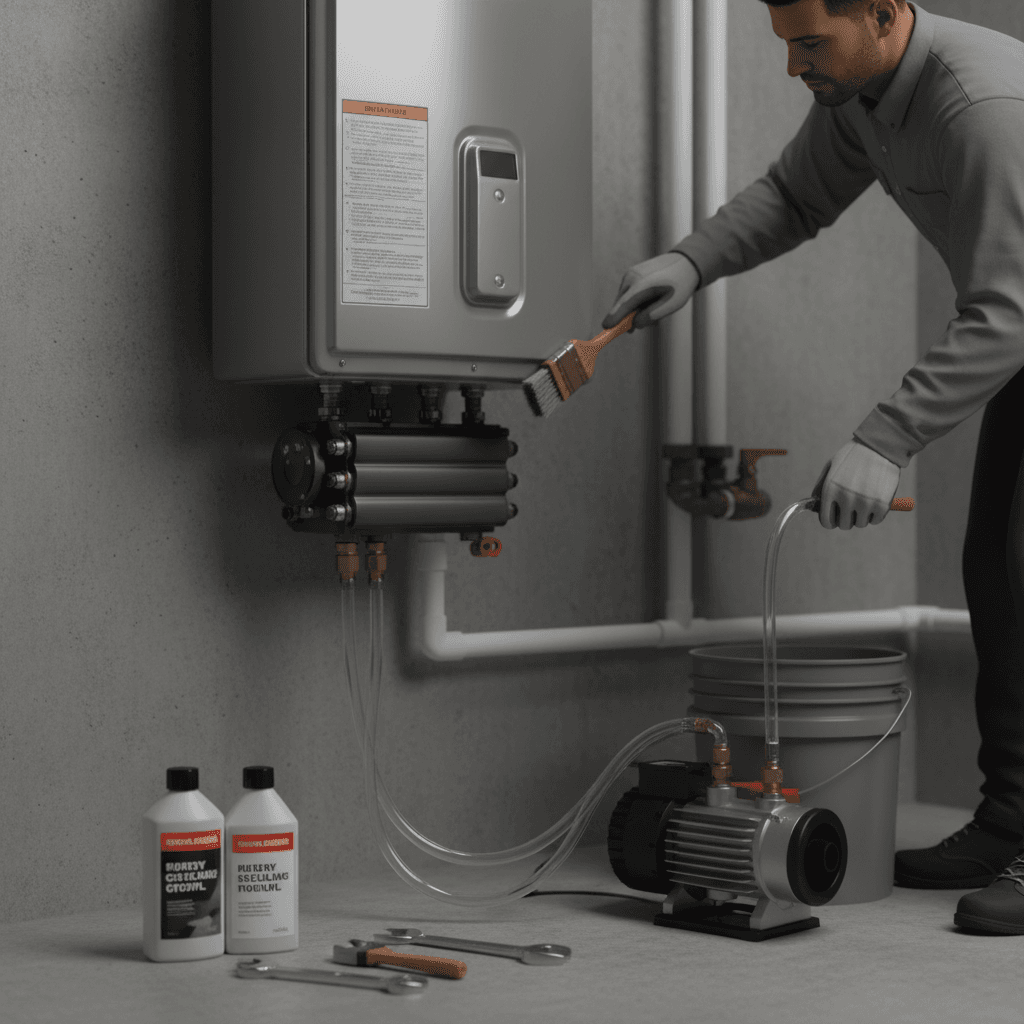
Connect hoses to the service ports. Cold port to pump outlet. Hot port to return line into the bucket.
- Mix Your Descale Solution
Pour 15–20 litres of white vinegar (or maker-approved solution) into the bucket. Keep the pump fully submerged.
- Circulate the Solution
Run the pump 45–60 minutes. Flow 6–10 L/min works well. Check colour and smell; heavy scale may turn the solution cloudy.
- Inspect While It Runs
Check for drips at unions. Look at the condensate trap. Clear any slime or debris. Keep vent terminations at least 300 mm clear of obstructions.
- Clean the Inlet Screen
Stop the pump. Close ports. Remove the cold-water inlet screen. Rinse under a tap. Use a soft brush or pick. Don’t damage the mesh.
- Rinse the Heat Exchanger
Empty the bucket. Refill with clean water (15–20 litres). Run the pump 5–10 minutes to flush out vinegar.
- Reassemble and Open Valves
Disconnect hoses. Cap the service ports. Open hot and cold isolation valves. Open the gas valve.
- Power On and Purge Air
Restore power. Open a hot tap for 1–2 minutes to purge air.
- Check Temperatures and Flow
Set outlet to 49–55°C. Test at the furthest tap. Confirm stable temp and steady flow. Many contractors aim for 2–3 L/min minimum at the furthest point on small homes.
- Final Safety Checks
Check for leaks. Listen for whine or rumble. Where qualified, confirm gas pressure meets the maker’s spec (commonly 17–25 mbar for natural gas in the UK; always follow the manufacturer and Gas Safe rules). Record results.
Best practice: Photograph the inlet screen and service valves before and after. It’s clear proof of work for clients and insurers.
Water Quality: Set Your Descale Schedule
Scale rate depends on hardness and usage. Set an honest schedule and stick to it.
- 0–60 ppm (soft): Annual maintenance on tankless water heater is usually enough.
- 60–120 ppm (moderate): Annual, plus inlet screen checks every 6 months.
- 120–180 ppm (hard): Descale every 6–9 months.
-
180 ppm (very hard): Descale every 6 months and fit a conditioner or softener.
Use test strips on the first visit. Note ppm on the service sheet. If you install a softener, check the salt level and bypass. A simple 80–100 mesh pre-filter before the heater also helps.
If you're also looking to streamline professional proposals for these plans, our guide on professional proposals will help. Pair this with clear invoice templates and change order processes to keep admin tight.
Common Issues Found During Service
Catch these now, and you’ll avoid emergency callouts later.
- Dirty Inlet Screen: Shows rust flakes or grit. Clean now. Suggest a pre-filter.
- Scale Whine or Rumble: Noise fades after a proper 45–60 minute flush.
- Temperature Swings: Often a clogged flow sensor or too-high outlet setpoint. Reset to 49–55°C and retest.
- Low Flow: Check aerators and shower heads. Many are clogged. You want at least 2 L/min at the furthest outlet in small flats.
- Venting and Condensate: Keep 300 mm clear around terminations. Empty and rinse the condensate trap. Replace cracked hoses.
- Error Codes: Photograph the code. Clear after service. If it returns, follow the maker’s flowchart. Don’t guess.
If you manage project timelines across many sites, a simple scheduling board helps. It pairs well with price books and consistent estimate methods.
Sell and Schedule Maintenance Like a Pro
Service plans are steady income. They also protect installs you’ve done.
- Offer a basic plan: annual maintenance on tankless water heater, inlet screen checks, and hardness test.
- Add options: 6-month descaling for >180 ppm water, pre-filter changes, or priority callouts within 24 hours.
- Price it cleanly: Fixed labour for 60–90 minutes, plus consumables (15–20 litres vinegar, washers, filters).
Capture visit notes, photos, and parts in one place. Tools like Donizo let you speak the details and auto-build a proposal with Voice to Proposal, send a branded PDF for e‑signature, then convert it to an invoice in one click. That cuts back-and-forth and gets you paid faster.
Frequently Asked Questions
How long does a full service take?
Most services take 60–90 minutes. Heavy scale may push it to 2 hours. Plan 45–60 minutes just for the vinegar circulation and 15–30 minutes for cleaning, rinsing, and checks.
Can I use chemicals instead of vinegar?
Yes, if the manufacturer approves the product. Food-grade white vinegar (acetic acid ~5%) is a safe, common choice. Always flush with clean water for 5–10 minutes after any descaler.
What temperature should I set?
For most homes, 49–55°C works well. Higher settings increase scale and scald risk. If mixing valves are fitted, confirm they’re set correctly and test at the tap.
Do I need a water softener?
Not always. Under 120 ppm, annual maintenance on tankless water heater units is often enough. Over 180 ppm, many contractors fit a softener or conditioner and keep 6‑month descaling.
Who can adjust gas settings?
Only qualified engineers under UK Gas Safe rules. Check pressures against the maker’s spec (commonly 17–25 mbar for natural gas) and never guess. If in doubt, don’t adjust.
Conclusion
Annual maintenance on tankless water heater systems is simple and effective. Descale for 45–60 minutes, rinse well, clean the inlet screen, and check temps, flow, venting, and leaks. Do this every 12 months, or every 6 months in very hard water. Next steps: 1) Test hardness and set the schedule, 2) Standardise your service kit and checklist, 3) Record photos and results for every visit. To package and sell maintenance plans smoothly, platforms such as Donizo help you capture details by voice, send e‑signable proposals, and invoice in one click. Keep it simple, keep it safe, and keep hot water steady for your clients.