Intro
On most jobs, a slow drip wastes time and money. A good Mantıklı musluk sızdırmazlık contası solves that fast. It’s a smart, reliable tap seal choice. In this guide, you’ll learn what it is, when to use it, and how to fit it. We’ll cover sizes, materials, and simple checks. You’ll see steps you can follow on site with basic tools. The goal is clear. Stop the leak, avoid call-backs, and keep margins safe. Use these tips to work quicker and leave a clean finish.
Quick Answer
A Mantıklı musluk sızdırmazlık contası is a sensible tap sealing washer or O-ring setup that stops drips at the joint. Choose the right size and material, clean the seat, then install with even pressure. Most jobs take 10–20 minutes, 6–8 PTFE wraps if threaded, and a 3‑minute pressure test.
Table of Contents
Key Takeaways
- Pick size first: 1/2" (15 mm) and 3/4" (20 mm) are most common.
- Material matters: EPDM for hot/cold, NBR for oils, silicone for heat.
- Wrap threads 6–8 times with PTFE. Don’t over‑tighten.
- Test for 3 minutes. Recheck after 24 hours.
- Most swaps take 10–20 minutes with basic hand tools.
What Is a Mantıklı musluk sızdırmazlık contası?
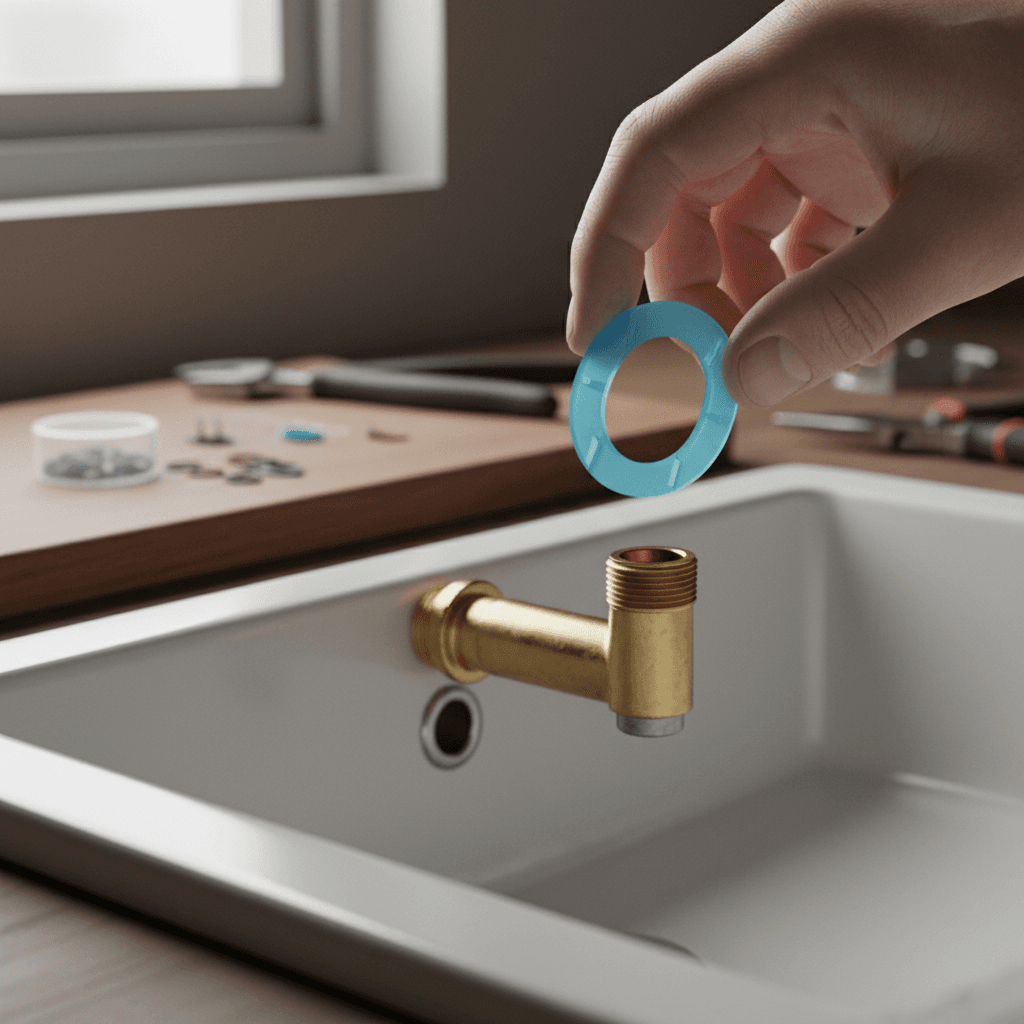
A Mantıklı musluk sızdırmazlık contası is a practical tap sealing washer or O-ring that prevents leaks at joints and seats. Think of it as the smart choice for everyday repairs. It compresses evenly and seals under water pressure.
Where it seals
- Under tap tails (to basin or sink)
- Inside compression fittings
- On spout bases with O-rings
- Aerators and cartridges using flat washers
Why it’s “mantıklı” (sensible)
- Simple: Fits with basic tools.
- Reliable: Handles hot and cold cycles.
- Available: Common sizes in most kits.
Use a Mantıklı musluk sızdırmazlık contası when a drip shows at the joint, not from a cracked body or a failed cartridge.
Choose the Right Mantıklı musluk sızdırmazlık contası
Getting size and material right is half the job. A poor match leaks, even if installed well.
Sizes you’ll use most
- 1/2" (15 mm) tap tails
- 3/4" (20 mm) tap tails
- Washer thickness: 1.5–3 mm
- Aerator washers: often M24 x 1 (check first)
- Spout O-rings: common 12–20 mm ID (measure yours)
Materials in plain words
- EPDM: Everyday hot/cold water. Good temperature range. Long life.
- NBR (Buna‑N): Better with oils/grease. OK for some kitchen setups.
- Silicone: Soft seal. Great for heat. Seats well on small marks.
- Fibre/PTFE washers: For flat faces and compression joints.
Pick a Mantıklı musluk sızdırmazlık contası that matches the joint type. For threads, use PTFE tape as well. For flat faces, use a flat washer. For spout bases, choose O-rings.
When to use PTFE tape
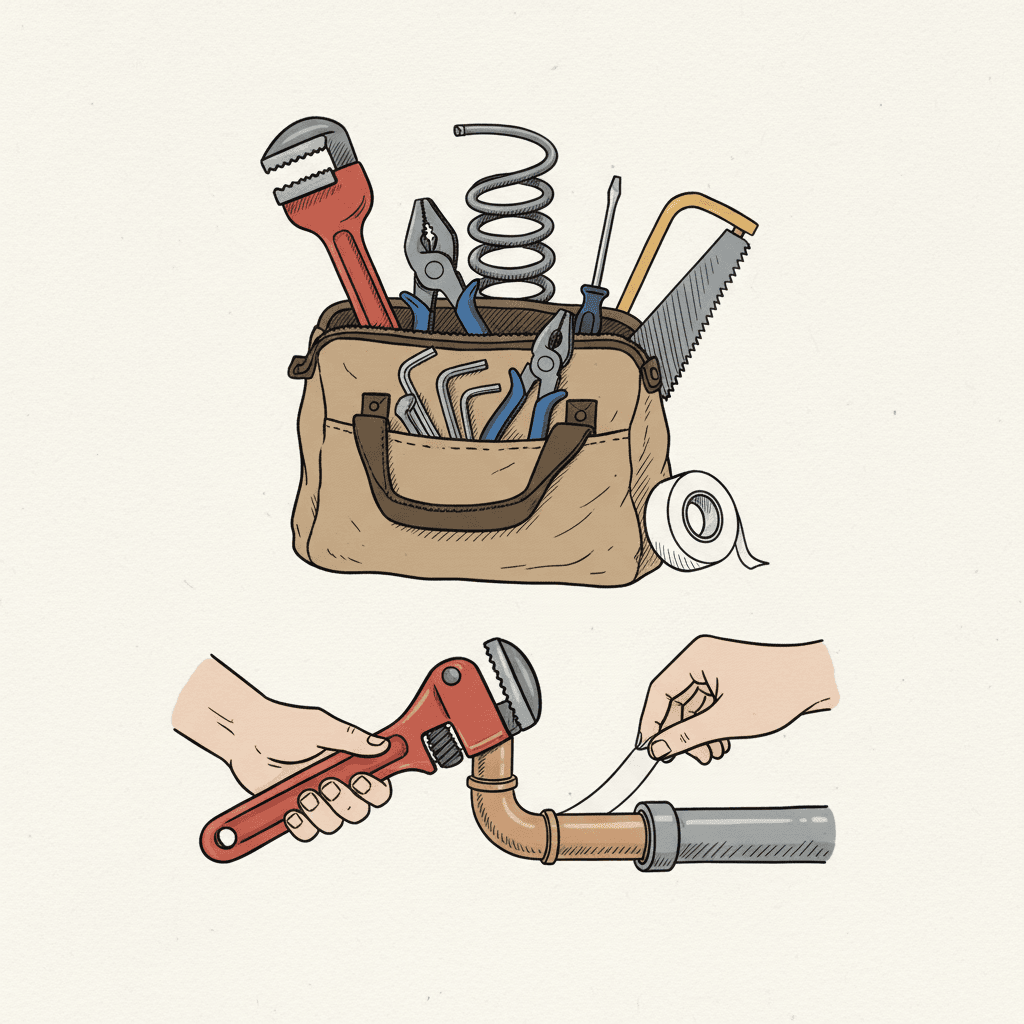
Use PTFE on male threads only. Wrap 6–8 turns, clockwise. Stop 1 thread back from the end. Combine with a flat washer on compression joints for a belt‑and‑braces seal.
Prep makes the seal last. Dirt kills sealing faces fast.
- Adjustable spanner or 17–24 mm spanners
- PTFE tape (high density if you have it)
- Washers/O-rings in 1/2" and 3/4"
- Pick tool and microfibre cloth
- Descaler and a small brush
- Flashlight and bucket
Shut the isolation valves. Open the tap to release pressure. Place a towel to catch drips. Clean the seat. Remove limescale. A Mantıklı musluk sızdırmazlık contası needs a smooth face to seat well.
Install the Mantıklı musluk sızdırmazlık contası: Step‑By‑Step
Follow these simple steps. Most take 10–20 minutes.
- Isolate water and drain lines. Open the tap 5–10 seconds.
- Access the joint. Remove covers or clips as needed.
- Clean all faces. Wipe dry. Remove old PTFE and debris.
- Check size. Test‑fit a washer: it should sit flat with no bowing.
- Wrap threads (if used). Apply 6–8 PTFE wraps, clockwise.
- Place the Mantıklı musluk sızdırmazlık contası on the seat. Keep it centred.
- Reassemble by hand first. Feel for smooth engagement of threads.
- Tighten with a spanner. Snug, then a quarter‑turn. Do not force.
- Open isolation valves slowly. Watch the joint for 3 minutes.
- Wipe dry. Run hot, then cold. Recheck after 24 hours for weeps.
Tip: If an O-ring on a spout is tired, replace the pair. A fresh Mantıklı musluk sızdırmazlık contası at the base with a new O-ring set reduces comeback calls.
Quality Checks and Common Mistakes
Small checks save return trips.
Fast checks
- Dry tissue test. Wipe the joint. Any mark shows a weep.
- Mirror check on undersides. Use a torch.
- Flow switch. Run hot 30 seconds, then cold 30 seconds.
Avoid these mistakes
- Wrong size: A 1/2" washer on a 3/4" seat will bow and leak.
- Dirty seat: Limescale cuts the seal. Always descale first.
- Over‑tightening: Flattens the washer. Causes future leaks.
- PTFE on female threads: Waste of time. Tape does nothing there.
- No recheck: Thermal cycling can loosen joints. Recheck next day.
If a joint still weeps, swap material. For a marked seat, a silicone Mantıklı musluk sızdırmazlık contası often seals better than a hard fibre washer.
Quoting Small Fixes and Simple Docs
Small leak jobs can eat time if quoting is slow. Capture photos, note sizes (1/2" or 3/4"), and list parts used. Many contractors build a standard line item: “Supply and fit Mantıklı musluk sızdırmazlık contası, test and clean, 10–20 min.”
Tools like Donizo help you speak, snap, and send a tidy quote in minutes. Use Voice to Proposal to record site details, then send a branded PDF for e‑signature. When approved, convert to an invoice in one click. This keeps small jobs profitable and clear.
If you’re also looking to streamline professional proposals, see our guide on professional proposals. This pairs well with understanding project timelines for small repairs. For contractors dealing with price books, we recommend setting simple invoice templates that save time.
Questions and Answers
How do I pick the right thickness for the washer?
Start with 2 mm for most 1/2" and 3/4" flat seats. If the joint still weeps after snug torque, try 2.5–3 mm. Do not stack washers. A single Mantıklı musluk sızdırmazlık contası seated on a clean face works best.
Should I use PTFE tape and a washer together?
Yes, on compression joints it’s common. PTFE on the male thread, a flat washer on the seat. Wrap 6–8 turns. Hand‑tighten first, then a small spanner nip. This combination reduces call‑backs on older fittings.
What if the seat is pitted or scratched?
Light marks often seal with a silicone washer. Clean, descale, and try again. If pits are deep, use a seat‑lapping tool or replace the fitting. A Mantıklı musluk sızdırmazlık contası can’t fix a severely damaged seat alone.
My spout leaks at the base after turning. What now?
Replace the O-rings on the spout and the base washer together. Measure the O-rings (often 12–20 mm ID) and use silicone grease. A fresh Mantıklı musluk sızdırmazlık contası under the base finishes the seal.
How tight is tight enough?
Snug plus a quarter‑turn is a good rule. If the washer spreads or you feel thread bite, stop. Over‑tightening crushes the Mantıklı musluk sızdırmazlık contası and shortens its life.
Conclusion
A Mantıklı musluk sızdırmazlık contası is a simple, smart way to stop tap leaks. Choose the right size and material, clean the seat, and tighten gently. Then test for a few minutes and recheck next day.
Next steps:
- Stock 1/2" and 3/4" washers in 2–3 mm thickness.
- Add silicone options for marked seats.
- Standardise your small‑job quote text for speed.
For quick quotes and clean paperwork on these jobs, platforms such as Donizo help you capture details, send for e‑signature, and invoice in one click. Work simple, seal right, and move on to the next job with confidence.