The correct way to connect a flexi to isolation valve
Learn the correct way to connect a flexi to isolation valve in UK plumbing. Avoid common errors and ensure a secure, leak-free installation for lasting…
Key takeaways
- Overtightening crushes the washer; hand-tighten plus a quarter-turn
- Ensure the rubber washer is seated and apply PTFE tape clockwise
- Always use two spanners and align the connection perfectly straight
- Use WRAS-approved fittings for compliance with UK Water Regulations 1999
The only thing that should be weeping at 3am is you, watching a sad film after a long week. Not the new tap connector you fitted that afternoon. Getting a solid, leak-free seal between a flexible hose and an isolation valve isn't black magic; it's a simple process that's surprisingly easy to get wrong. The secret is respecting the components and knowing when to stop tightening.
I've seen more call-backs for a weeping flexi nut than I've had cold cups of tea. And that’s saying something. The fix is always the same: do it right the first time.
Understanding Flexible Hoses and Isolation Valves in UK Plumbing
Before you grab a spanner, let's talk about what you're actually connecting. It’s not just a pipe and a tap.
Flexible Hoses: They mostly come in two flavours. The most common is the stainless steel braided hose. It’s tough, reliable, and looks the part under a sink. Then you have the plain plastic (PEX) ones, often white, which are perfectly fine but can look a bit cheap. The key is to make sure whatever you buy is suitable for the job, check if it's rated for hot water, cold water, or mains pressure. A cheap hose is a flood waiting to happen.
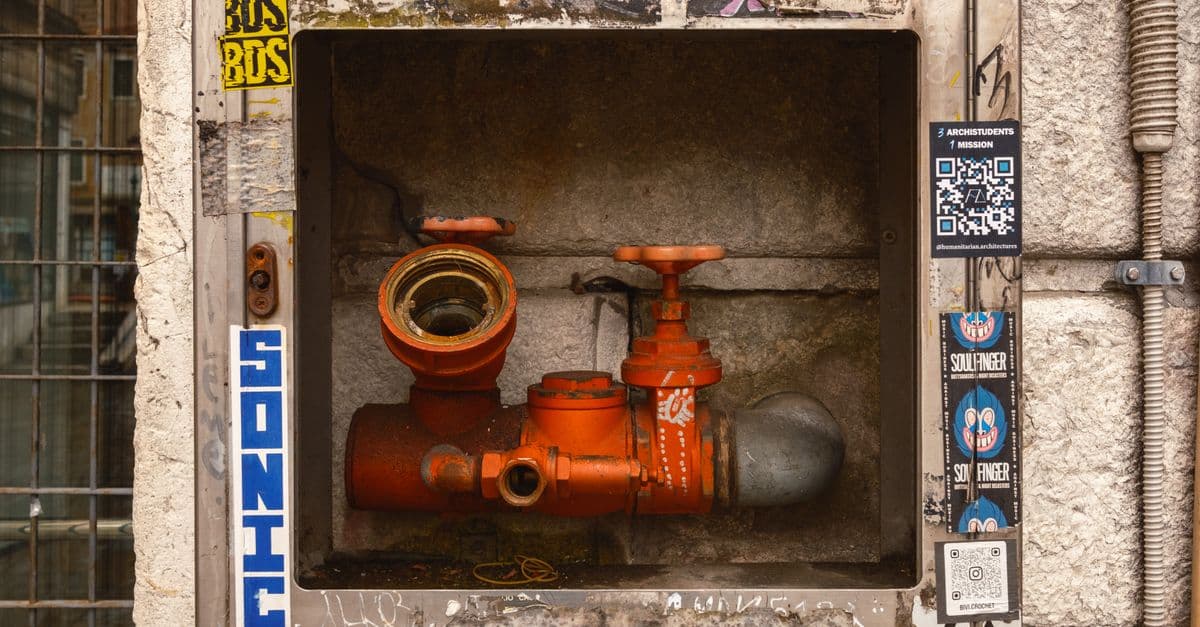
Isolation Valves: In the UK, you’ll typically find a small compression valve with a slot for a flathead screwdriver. They're designed to let you shut off the water to a single appliance without turning off the entire house, which is a godsend when you're changing a tap and the homeowner wants to make a cup of tea. There are also miniature ball valves with a small lever, which are great for ease of use but can be knocked shut by accident.
The underlying principle for connecting them is simple: the seal is made by a rubber washer inside the flexi hose's nut. Your job is to compress that washer just enough to create a watertight seal. It is not, despite what some seem to believe, a test of pure physical strength.
Essential Tools and Materials for a Secure Connection
Walking back to the van for a single fitting is a special kind of pain. It’s usually raining, too. Having the right kit from the start saves time and sanity. Don't try to bodge it with the wrong tools; you'll only end up rounding off the nut and creating a bigger problem.
Here’s what you should have in your hand before you start.
- Adjustable Spanner (x2): One to hold the valve, one to tighten the nut. Using two prevents you from twisting the pipework in the wall.
- Water Pump Pliers (e.g., Grips): Good for holding the body of the valve steady.
- PTFE Tape: The plumber's secret weapon for ensuring a watertight seal. Use it on the male thread of the isolation valve.
- The Correct Flexible Hose: Check the connection size (usually 1/2" BSP for the tap end and 15mm for the pipework) and the length. A hose that's too short will be stretched and stressed.
- The Isolation Valve: Again, make sure it’s the right size for the pipework (usually 15mm compression).
- Washers: Your new flexi hose should come with them. For the love of all that is holy, check they are actually inside the connector before you start.
- A Dry Cloth or Kitchen Roll: For checking for those tiny, tell-tale drips.
Using quality components is non-negotiable. As tradespeople on forums like Screwfix will tell you, a cheap, unbranded valve might save you a quid today, but it'll cost you a customer when it fails in six months https://community.screwfix.com/threads/connecting-a-tap-to-a-pipe-isolation-valve.189458/.
Step-by-Step Guide: How to Correctly Connect a Flexible Hose to an Isolation Valve
Right, let's get this done. Follow these steps, a process you'll see demonstrated by pros across the web [https://www.facebook.com/61550663682797/videos/the-correct-way-to-connect-a-flexi-to-a-isolation-valve/1182088800713738/], and you can walk away confident that you won't be getting an angry call.
Preparing Your Workspace and Components
- Kill the Water: Turn off the main stopcock. Then, open the tap you're working on (and maybe a downstairs one) to drain the system. Nothing worse than a face full of stale water when you crack a nut open.
- Prep the Threads: Make sure the male thread on the isolation valve is clean. No old PTFE tape, no grit, no gunk.
- Wrap it Up: Apply a few wraps of PTFE tape to the male thread of the isolation valve. Wrap it in the same direction you'll be turning the nut (clockwise). This helps the nut glide on smoothly and fills any tiny imperfections in the threads.
- Check the Washer: Look inside the female connector on the flexible hose. You should see a black or red rubber washer sitting flat at the bottom. If it's not there, stop. Find it. Don't use a second one.
Making the Connection
- Alignment is Key: Offer the hose connector up to the valve. It must be perfectly straight. If you have to force it, it's cross-threaded. Back it off and try again.
- Hand-Tighten First: Screw the nut on by hand. It should turn easily for several rotations. If it binds up immediately, you've cross-threaded it.
- The Gentle Squeeze: Once it's hand-tight, take your spanners. Use one to hold the body of the isolation valve still. Use the other to tighten the nut. You are aiming for a quarter to a half-turn past hand-tight. That's it. You are compressing a rubber washer, not sealing a nuclear reactor. As you'll see in countless guides on YouTube, overtightening is the number one cause of failure https://www.youtube.com/shorts/4n7JxF-NHgY.
Final Checks and Testing for Leaks
- The Slow Return: Go back to the stopcock and turn the water on slowly. A sudden blast of pressure can shock the system. Turn it a quarter of the way, listen for the pipes to fill, then open it fully.
- The Moment of Truth: Go back to your connection. Look at it. Touch it. Wrap a piece of dry kitchen roll around it. If there's even a hint of moisture, you'll see it immediately.
- Open the Isolation Valve: Using your screwdriver, slowly open the isolation valve to let water flow to the tap. Check the connection again. If it's bone dry, job done. Pat yourself on the back.
Here's a quick checklist for when you're under the sink and just need the headlines.
- Water off?
- System drained?
- Threads clean and taped?
- Washer present and seated in flexi nut?
- Lined up straight?
- Hand-tightened first?
- Final quarter-turn with spanners?
- Water back on slowly?
- Checked for leaks with a dry cloth?
Common Mistakes and Troubleshooting Flexible Hose Connections
I've seen some horrors on jobs. Hoses kinked like a garden hose, nuts tightened so hard the brass has cracked, and my personal favourite: no washer at all. Here are the common blunders and how to fix them.
- Cross-Threading: This happens when you start screwing the nut on at an angle. It feels tight immediately but it's not sealed. The only fix is to unscrew it completely and start again. If you've damaged the threads, you might need a new hose or valve.
- Overtightening: The classic mistake. You feel the need to give it one last heave for good measure. This crushes the washer, splitting it and causing a leak. It can also crack the nut itself. If it's leaking, try backing the nut off a quarter turn. If that doesn't work, you've likely damaged the washer and will need to replace it.
- Kinking the Hose: If the hose is bent at a sharp angle, it restricts water flow and puts immense stress on the braided material and the inner tube. Over time, it will fail. Always ensure a smooth, gentle curve. If the hose is too long, form a loose loop.
- Missing or Doubled Washer: As plumber Mmplumber often demonstrates on his TikTok, the washer does all the work https://www.tiktok.com/@mm_plumber/video/7382247225373592864. Forgetting it means you'll have a fountain under the sink. Trying to use two because you dropped the first one also won't work; they'll just fight each other and fail to seal.
If you do have a leak, don't panic. Turn the water off and diagnose the problem with a clear head.
| Problem | Likely Cause | Solution |
|---|---|---|
| Drip from the nut | Undertightened or overtightened/split washer. | Try tightening another 1/8th of a turn. If it worsens, stop. Turn water off, undo, check washer, and reconnect. |
| Seep from the threads | Cross-threaded or insufficient PTFE tape. | Turn water off. Undo the connection completely. Check threads for damage. Re-tape and reconnect carefully. |
| Spray from the hose | Kinked or faulty hose. | Turn water off immediately. The hose is compromised and must be replaced. |
| No water at tap | Isolation valve is still closed or hose is kinked. | Check the slot on the isolation valve is aligned with the pipe. Check for sharp bends in the hose. |
Discussions on forums like Reddit's /r/DIYUK are filled with people troubleshooting these exact issues, often after learning the hard way https://www.reddit.com/r/DIYUK/comments/1jgsxbl/isolation_valve_and_flexi_tap_tails/.
Adhering to UK Plumbing Regulations and Best Practices
Yes, even for a simple flexi hose, there are rules. The Water Supply (Water Fittings) Regulations 1999 UK Statutory Instruments are in place to ensure the UK's water supply remains safe and isn't contaminated.
The most important thing for you to know is that any fitting connected to the mains water supply should be compliant. The easiest way to ensure this is to use products with WRAS (Water Regulations Advisory Scheme) Approval. This means the material and design have been tested to ensure they won't contaminate the water or fail prematurely. Using WRAS-approved fittings is a mark of a professional job https://www.wras.co.uk/approvals/what-is-wras-approval/.
While Building Regulations Part L (Conservation of fuel and power) is more about energy efficiency, ensuring your hot water connections are leak-free and properly insulated where necessary is all part of the same professional mindset. A dripping hot tap is literally money down the drain.
Achieving a Reliable, Leak-Free Flexible Hose Connection in Your UK Plumbing
So, there you have it. Connecting a flexi hose is a five-minute job, but the difference between a good job and a disaster is all in the detail. It’s about preparation, feel, and knowing when to stop.
The internet is full of 30-second videos on TikTok and YouTube showing you the motions, but they rarely explain the why. This guide was written to fill that gap. Understanding that you're compressing a washer, not forging a weld, is the key. It's what allows you to walk away from the job knowing your phone won't be ringing at midnight with a panicked client on the other end. Do it right, and you’ll never have to think about it again.
Frequently asked questions
Yes, absolutely. That is precisely what they are designed for. The isolation valve provides the 15mm compression fitting for the pipework, and the flexible hose nut screws directly onto the valve's male thread.
You need two adjustable spanners or grips (one to hold, one to turn), PTFE tape, and a cloth. That's the bare minimum. Having a pipe slice and other general plumbing tools on hand is always a good idea.
Three things: ensure the rubber washer is clean and seated correctly, don't cross-thread the connection, and do not overtighten. Hand-tight plus a quarter or half-turn with a spanner is all you need. The pressure of the water actually helps to seal the connection.
Yes. Any plumbing fitting, including flexible hoses, must comply with the Water Supply (Water Fittings) Regulations. The simplest way to comply is to use WRAS-approved products, which have been tested for safety and material quality.
There's no hard expiry date, but it's good practice to visually inspect them annually for any signs of bulging, rust on the braiding, or kinking. Many manufacturers and plumbers recommend replacing them every 5-10 years as a preventative measure, especially if they are in an inaccessible spot.
Sources
- https://community.screwfix.com/threads/connecting-a-tap-to-a-pipe-isolation-valve.189458/
- https://www.youtube.com/shorts/4n7JxF-NHgY
- https://www.tiktok.com/@mm_plumber/video/7382247225373592864
- https://www.reddit.com/r/DIYUK/comments/1jgsxbl/isolation_valve_and_flexi_tap_tails/
- UK Statutory Instruments
- https://www.wras.co.uk/approvals/what-is-wras-approval/
Ditch the paperwork and reclaim your time with Donizo.
Contractors across Europe trust Donizo to handle their quotes and invoices while they focus on what they do best: their craft.