Intro
When you take on A Challenging Project At My Abandoned General Store, the first questions hit fast: Is it safe? Where do I start? What will it cost? This guide walks you through a clear plan. We cover safety, structure, utilities, budget, and paperwork. You get practical steps, real numbers, and field tips. Use this as a checklist on site. It will help you control unknowns, protect your margin, and keep the crew moving. On most jobs like this, a tight plan beats guesswork every time.
Quick Answer
For A Challenging Project At My Abandoned General Store, start with safety and code checks, then stabilize structure, stop water, and secure utilities. Build a phased plan with a 15–20% contingency. Document everything, price unknowns as allowances, and turn site notes into a clean proposal within 24–48 hours.
Table of Contents
Key Takeaways
- Stabilize first 3–5 days: shore, tarp, lockout, and dry out.
- Use a 15–20% contingency for hidden damage and code upgrades.
- Phase the job: safety → structure → utilities → envelope → finishes.
- Price unknowns as allowances with clear unit rates.
- Turn notes into a proposal within 24–48 hours to keep momentum.
Why This Was A Challenging Project At My Abandoned General Store
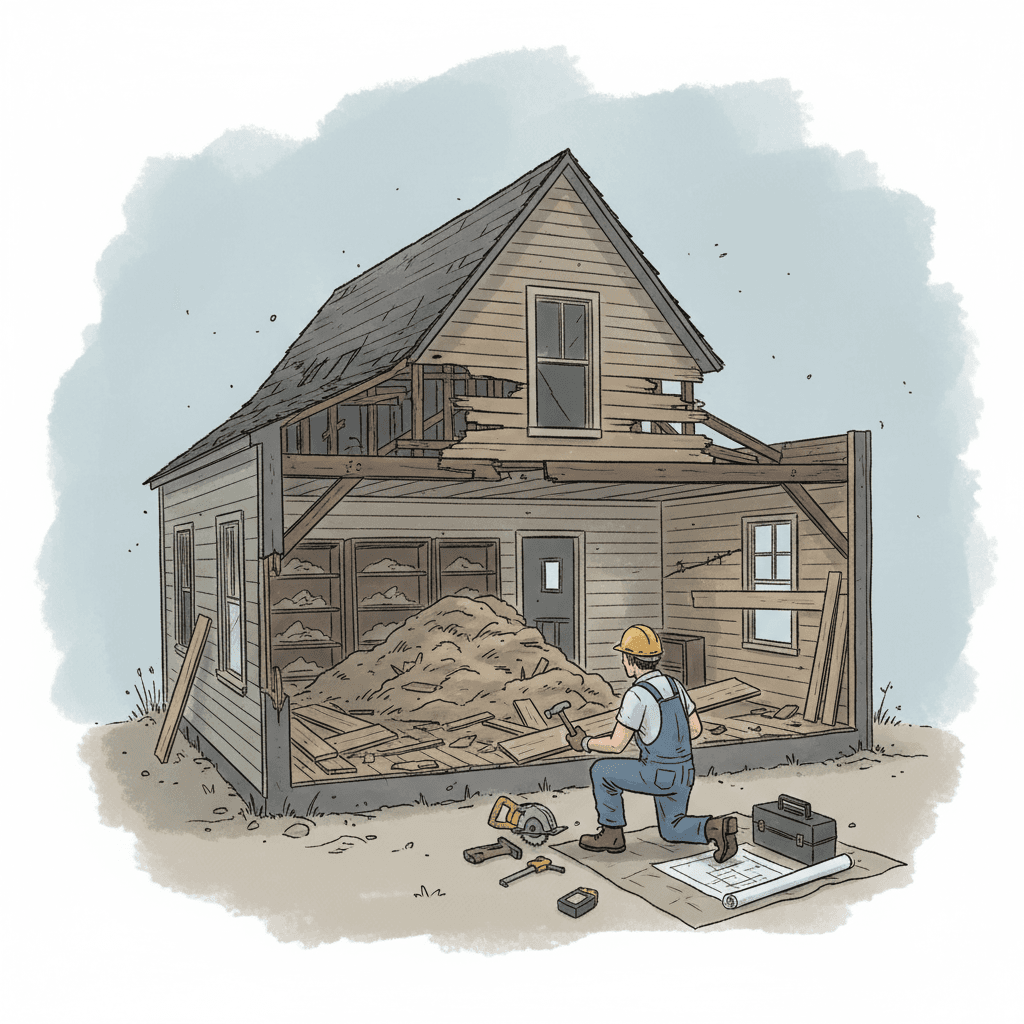
Old stores carry heavy unknowns. Roof leaks often run for 3–10 years. You’ll see bowed floors, rotten sills, and live pests. On mine, a 4/12 roof had two soft spots, one beam sagged 5/8 inch over 14 feet, and 18 feet of sill plate was gone. Power was cut, the panel was outdated, and the basement held 2 inches of standing water. A Challenging Project At My Abandoned General Store meant safety first, then fast stabilization. The key was a simple plan, clear steps, and steady documentation.
Safety And Code First: Hazards In Old Stores
Old commercial spaces can hide hazards. Don’t guess.
- PPE: respirator (P100), gloves, goggles, and Tyvek for demo.
- Test suspect materials for asbestos and lead. It’s common in tile, mastic, insulation, and paint.
- Mold is likely. Set negative air and dry to under 16% wood moisture.
- Lockout/tagout all utilities. No power, no problem—run temporary GFCI power.
- Shore before demo. Use 4x4 posts, screw jacks, and 2x6 cross-bracing.
- Call the AHJ (authority having jurisdiction) early. If occupancy changes, expect ADA, IBC, and NEC upgrades.
Timeframes:
- Hazard survey: 4–6 hours.
- Temporary power and pumps: 2–4 hours.
- Basic shoring and tarps: 1 day.
A Challenging Project At My Abandoned General Store only gets easier once safety is locked down and code paths are clear.
Structural Rescue Plan: Floor, Roof, And Walls
You cannot finish what you can’t support. Follow this simple sequence for A Challenging Project At My Abandoned General Store.
- Stop Water Fast
- Tarp holes within 4 hours. Use 2x2 battens and cap nails.
- Pump basements dry. Aim for 24–48 hours to reach dry subfloor.
- Shore And Map Loads
- Set temporary posts at 4–6 foot spacing under sagging beams.
- Laser-level reference lines. Record drops in 1/8 inch increments.
- Replace Rotten Sills
- Jack in 1/8 inch lifts per day to avoid cracking plaster or brick.
- Install PT sill, sill gasket, and stainless anchors at 32 inches on center.
- Sister Beams And Joists
- Sister 2x10 or 2x12 lumber with adhesive and 1/2 inch bolts at 16 inches on center.
- Check deflection targets (L/360 for floors is a common rule of thumb).
- Subfloor And Decking
- Use 3/4 inch T&G plywood glued and screwed every 8 inches.
- Roof Structure
- Replace cracked rafters with matching depth (2x6 or 2x8 common here).
- Add rafter ties or LVL as needed. Verify spans with an engineer if unsure.
- Sheathing And Flashing
- 1/2 inch OSB or plywood sheathing, H-clips on roofs, and proper drip edge.
Tip: Photograph every layer before you close it. On A Challenging Project At My Abandoned General Store, pictures save hours during inspections and change orders.
Utilities And Envelope: Make It Dry, Safe, Efficient
A dry, tight shell and safe services come next.
-
Electrical
- Upgrade to a 200A service if you plan kitchen or HVAC loads.
- Use 1/2 inch EMT or NM-B per NEC and GFCI/AFCI where required.
- Label every circuit and leave a panel schedule on the door.
-
Plumbing
- 1 inch main cold line (PEX or copper) is typical. Use 3/4 inch for branches.
- Slope 4 inch sewer at 1/4 inch per foot. Camera the line if it’s old clay.
- Replace corroded galvanized. It’s a leak waiting to happen.
-
HVAC
- Mini-splits work well in open stores. Two or three heads can cover 1,000–1,500 sq ft.
- Seal duct joints with mastic. Don’t rely on tape alone.
-
Envelope
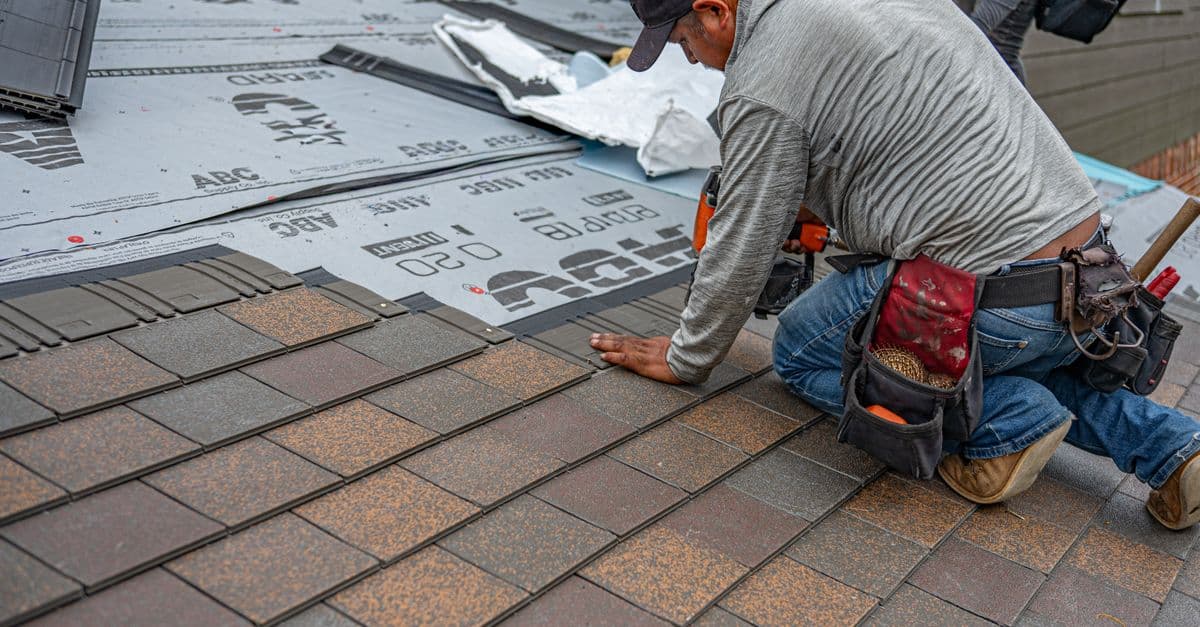
- Re-roof with proper underlayment and flashing. 30-year shingles or TPO/EPDM on low-slope.
- Insulate walls to R-19; roof to R-38 or better. Consider 3 inches polyiso above deck.
- Air seal: foam rim joists, caulk plates, and install a 6 mil poly vapor retarder where local code supports it.
A Challenging Project At My Abandoned General Store succeeds when the building gets dry, tight, and quiet. That cuts callbacks later.
Budget, Schedule, And Paperwork That Keep You Sane
Unknowns eat profit. Control them.
-
Budget
- Hold a 15–20% contingency for hidden rot, utility surprises, and code upgrades.
- Use allowances for unknowns: “Mold remediation up to 500 sq ft at $X/sq ft.”
- Unit price demo: “Framing repair at $X/linear foot.”
-
Schedule (example 8–10 weeks)
- Week 1: Hazards, shoring, dry-out, temporary power.
- Weeks 2–3: Sills, beams, subfloor, roof structure.
- Weeks 4–6: Electrical, plumbing, HVAC rough; inspections.
- Weeks 7–8: Insulation, drywall, finishes, final.
- Add 1–2 weeks float for surprises.
-
Paperwork
- Daily logs with photos. Note moisture readings (target under 16%).
- Change orders in writing before work starts. No exceptions.
- If you’re also looking to streamline professional proposals, our guide covers clear scopes and line items.
- This pairs well with understanding project timelines and how to protect float days.
A Challenging Project At My Abandoned General Store needs steady communication. Small updates prevent big fights.
Turn Field Notes Into A Clear Proposal
Speed matters. After the first walk, capture voice notes, room photos, and key measurements (stud spacing 16 inches on center, beam spans 12–16 feet, roof pitch 4/12). Then convert notes into a clean scope with phases.
- Phase 1: Safety, shoring, dry-out.
- Phase 2: Structure repair (sills, beams, subfloor, roof).
- Phase 3: MEP rough and inspections.
- Phase 4: Envelope and finishes.
Tools like Donizo help here. You can speak details into Voice to Proposal, generate a branded PDF, Send Proposal by email, collect a client E-signature Integration for approval, and convert accepted proposals to invoices using Invoice Management in one click. Aim for a 24–48 hour turnaround. For contractors dealing with invoice templates that save time, we recommend building standard line items and unit rates.
Conclusion
A Challenging Project At My Abandoned General Store demands a steady plan: make it safe, fix structure, secure utilities, then tighten the envelope. Document everything, price unknowns with allowances, and keep a 15–20% contingency. Next steps: 1) Walk and log hazards, 2) Stabilize in 3–5 days, 3) Draft a phased scope and proposal. Platforms such as Donizo can turn your voice notes into clear proposals and signed approvals fast. Move with purpose, communicate often, and you’ll control the job instead of the job controlling you.