Intro
A strong contractor costume is more than a Halloween gag. It’s your everyday uniform that shows skill, safety, and pride. Done right, a contractor costume blends PPE, tough workwear, and clean branding. It helps you look pro on site, at trade shows, and in first meetings. In this guide, we’ll build your contractor costume step by step. We’ll cover safety basics, logo placement, budgets, and timelines. You’ll finish with a clear shopping list and easy upkeep plan.
Quick Answer
A contractor costume is a safe, branded work outfit that signals trust. Start with boots, hard hat, hi-vis vest, gloves, and eye protection. Add clean work pants, a logo shirt, and a few real tools. Keep it compliant, comfortable, and consistent across your crew.
Table of Contents
Key Takeaways
- Standardize your contractor costume to lift trust and safety fast.
- Hit 5 essentials: boots, hard hat, hi-vis, eye/hand PPE, logo shirt.
- Plan 7–10 business days for branded gear to arrive.
- Aim for 3–5 logo placements that are clean, not loud.
- Review fit and safety every 6 months; replace worn gear on time.
What Is a Contractor Costume?
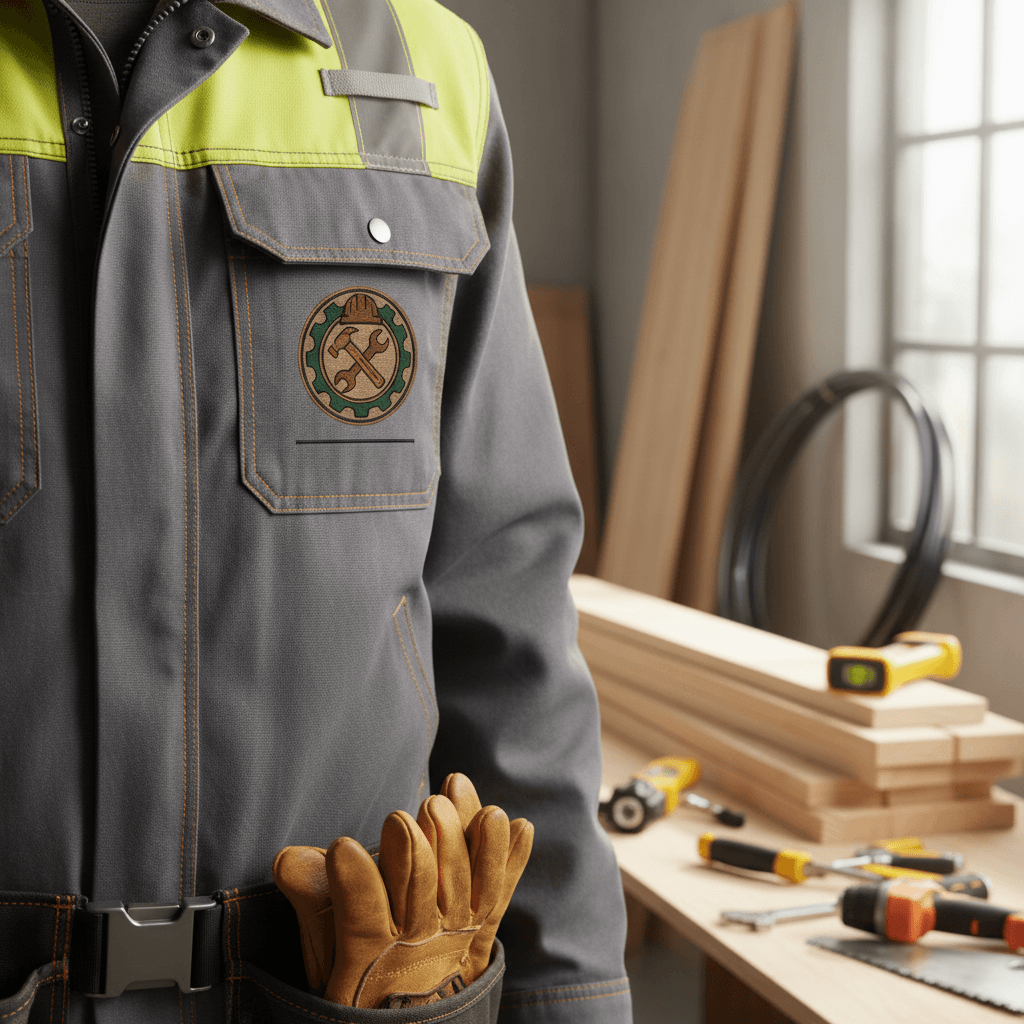
A contractor costume is your uniform and your message. It tells clients you take safety and quality seriously. It also helps your crew look like one team.
Key parts include:
- PPE that meets common standards. Think safety toe boots (ASTM F2413), hi‑vis vests (ANSI/ISEA 107 Type R Class 2 or 3), and rated eye protection.
- Durable workwear that fits the job. Pants that won’t rip. Shirts that breathe.
- Clear branding. Your name, your logo, and your license number where required.
On most jobs, a simple, consistent look wins. No flashy colors. No random hats. Clean, practical, and the same across the team.
Build Your Contractor Costume Step-by-Step
Follow these steps to build a contractor costume you can wear anywhere.
-
Set Your Safety Base
- Boots: Choose 6–8 inch safety toe boots with slip resistance. Waterproof if you work outdoors.
- Hard hat: Lightweight, under 14 oz if possible. Add chin straps for windy work.
- Hi‑vis: Type R Class 2 for streets and most sites; Class 3 for heavy traffic.
- Eye/hand: Clear anti‑fog glasses and cut‑resistant gloves. Keep 2 spare pairs.
-
Choose Durable Workwear
- Pants: Double‑knee or reinforced seams. Look for 8–12 oz fabric weight.
- Shirts: Moisture‑wicking polos or long sleeves. Keep 2–3 per week.
- Outerwear: A hi‑vis shell or softshell jacket for 30–50°F mornings.
-
Add Branding Without Clutter
- Logo placements: Left chest (3–4 inches wide), back (9–12 inches), and hard hat decals.
- Colors: High contrast on shirt and vest. Avoid low‑readability combos.
- ID: Name, role, and license where required. Keep font size 24–36 pt on the back.
-
Carry Real Tools (But Keep It Light)
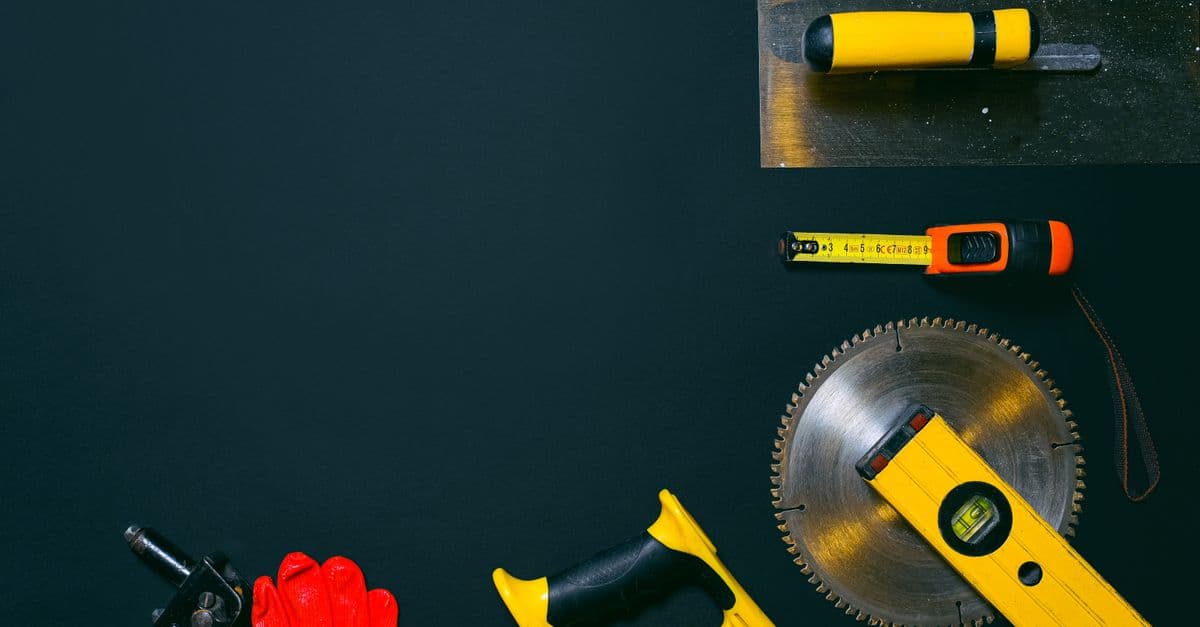
- Tape measure (25 ft), pencil, small torpedo level, utility knife.
- Tablet or clipboard for notes and photos.
- Keep total add‑on weight under 5 lb to stay comfortable.
-
Fit Test And Move
- Squat, reach overhead, climb a step. Nothing should pull or pinch.
- Hem pants to avoid tripping. Aim for 0.5–1 inch break at the boot.
-
Standardize For Your Crew
Common Mistakes To Avoid
- Mixing neon colors. Stay with 1 vest color for the whole crew.
- Over‑branding. More than 5 logo spots looks busy.
- Ignoring seasons. Add sun shirts for 90°F days and liners for 30°F days.
- Wearing beat‑up boots to sales calls. Keep 1 clean pair.
Contractor Costume For Meetings, Trade Shows, And Events
Your contractor costume should adapt without losing the core look.
Sales Calls And Estimates
- Swap the vest for a clean, logo polo and a softshell jacket.
- Keep safety boots but wipe them down. Clients notice.
- Bring a neat clipboard or tablet. After the walk‑through, send a fast, clean proposal. Tools like Donizo help you capture notes by voice and generate a branded PDF you can send the same day.
Trade Shows And Career Days
- Go lighter on tools. Add a prop blueprint roll and sample materials.
- Use a crisp hard hat with your logo centered. Add a QR code sticker that links to your portfolio.
- Pack 50–100 business cards. Keep them in a small chest pocket.
- Keep PPE real, not toy‑grade. Safety first.
- Add fun touches that stay on brand: foam earplugs necklace, mini tape keychains.
- Keep the message simple: your trade, your service area, and your phone number.
Budget And Sourcing: Cost, Fit, And Lead Times
A solid contractor costume doesn’t have to drain cash. Plan it like a small project.
Sample Budget (Per Person)
- Boots: $120–$220
- Hi‑vis vest (ANSI Class 2): $20–$40
- Hard hat with decals: $25–$60
- Glasses and gloves: $15–$35
- Logo polos (2): $40–$80
- Work pants (1–2): $50–$120
Total: About $270–$555
Ordering Tips
- Lead time: 7–10 business days for basic embroidery or heat press. Add 3–5 days for proof approvals.
- Sizes: Most crews need 40–50% Large, 25–35% XL, and a mix of M/XXL.
- Minimums: Many shops ask for 12–24 pieces to start. Mix sizes to hit the minimum.
- Proofs: Approve a full‑size back logo proof at 9–12 inches wide.
Fit And Comfort
- Boots: Try on late in the day. Feet swell 0.25–0.5 inch.
- Shirts: Aim for 2–3 inches ease at the chest to move freely.
- Vests: Go one size up to fit over jackets when it’s cold.
Care, Storage, And Maintenance
Your contractor costume should last 6–12 months with simple care.
- Daily: Wipe boots and glasses. Shake out dust. Takes 3–5 minutes.
- Weekly: Wash shirts and vests on cold. Air dry to protect reflective tape.
- Monthly: Check logos for peel or thread pulls. Re‑press or stitch.
- Seasonally (every 3–4 months): Inspect soles, glove grip, and hard hat date codes.
- Replace cycle: Boots every 12–18 months, vests every 6–12 months, hard hats every 2–5 years per the manufacturer.
Storage tips:
- Use a vented locker or bin. Moisture ruins reflective tape.
- Keep a “clean set” bag in your truck for last‑minute meetings.
- Label gear with names. Lost vests and hats are common on busy sites.
Photos And Social: Show The Look
Your contractor costume is a branding asset. Use it.
- Shoot 8–10 photos: front, back, side, boots, tools, and action shots.
- Take pictures in morning light for clean, soft shadows.
- Keep backgrounds tidy: a clean truck, a framed doorway, or a staged corner.
- Post with simple captions: trade, city, and job type.
- Ask the client before posting interior shots. Respect privacy.
Internal linking ideas for your site:
- Link “professional proposals” to your proposals guide.
- Link “project timelines” to your scheduling article.
- Link “invoice templates” to your billing resources.
These links help readers act right away and keep them on your site.
Conclusion
A sharp contractor costume boosts trust, safety, and team pride. Keep the core simple: boots, hard hat, hi‑vis, eye/hand protection, and clean branding. Standardize it, maintain it, and keep one clean set ready for meetings. After site walks, send clear proposals fast with platforms such as Donizo. Next steps: 1) Write your 1‑page uniform spec. 2) Order branded shirts and vests. 3) Build a clean “meeting set” bag. Do this, and you’ll look pro on every job and every visit.