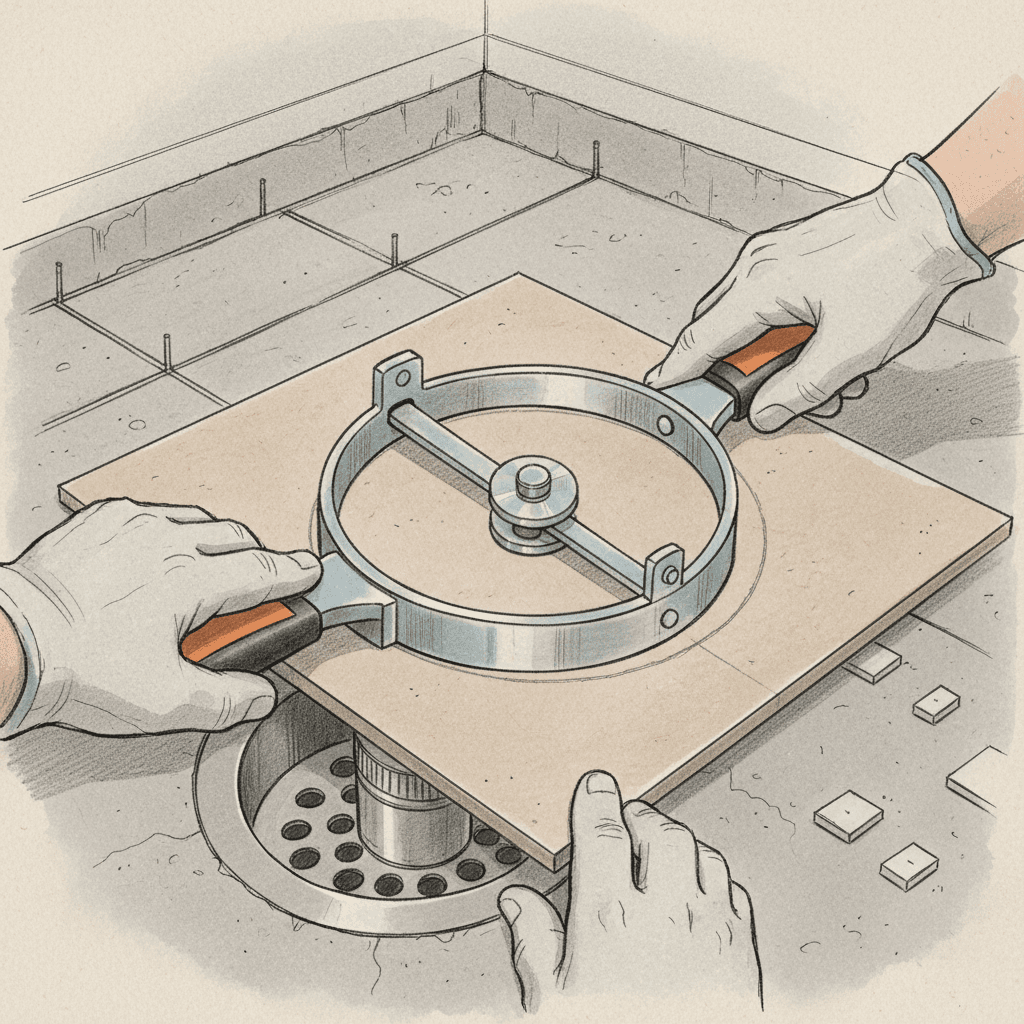
Intro
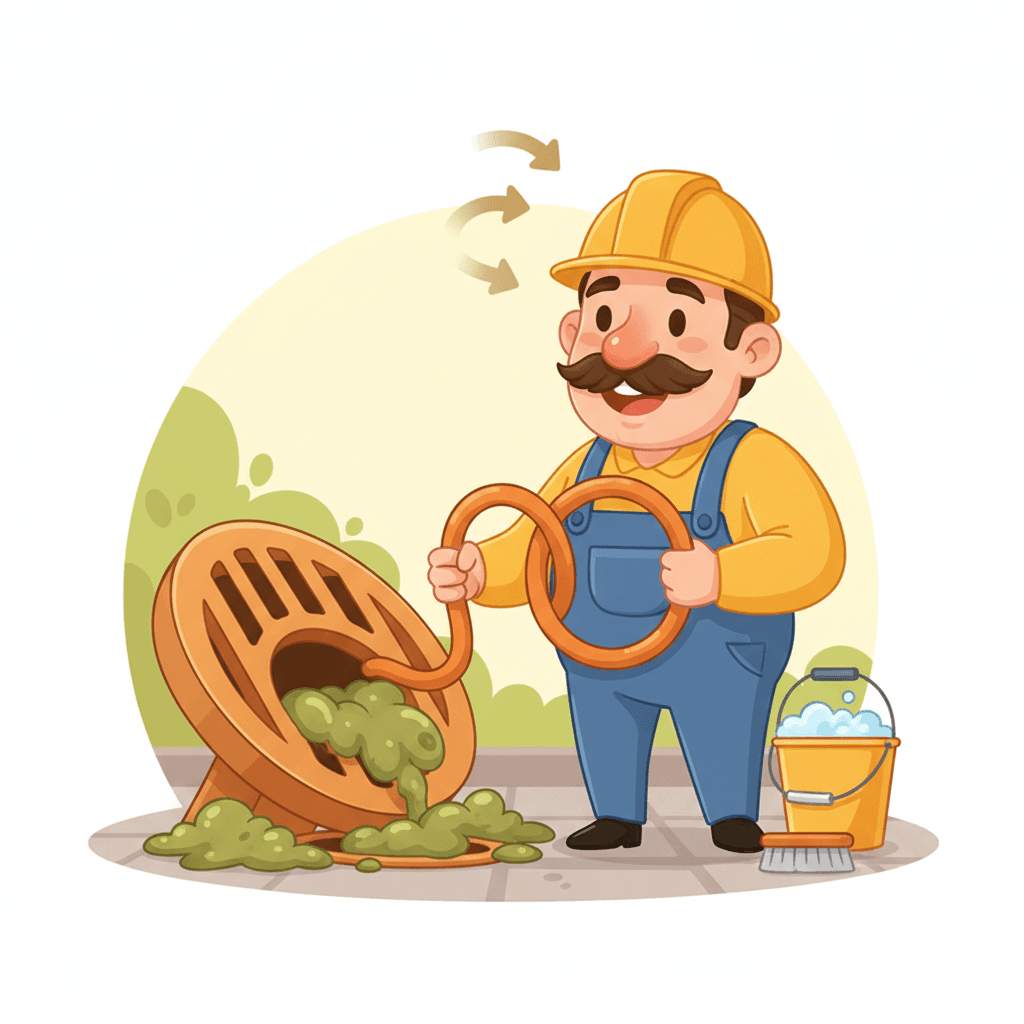
On many callouts, the job is the same: cleaning a blocked external drain fast, safely, and without a return visit. Clients want flow restored and the area left clean. You want a clear method that works in 30–60 minutes. This guide shows how to assess the fault, choose the right tool, and follow a clean sequence. We cover jetting, rodding, and snaking, plus simple testing and prevention. You’ll also see how to document the job, price it clearly, and avoid callbacks.
Quick Answer
Cleaning a blocked external drain starts with lifting the cover, checking flow direction, and removing visible debris. Then rod or jet the line from downstream to upstream, flushing until clear. Finish by running a 2–3 minute flow test, sanitizing affected areas, and advising the client on prevention.
Table of Contents
Key Takeaways
- Most blockages clear in 30–60 minutes with the right sequence.
- Carry 10–15 m of rods and a 150–200 bar jetter for domestic jobs.
- Always work downstream to upstream to avoid pushing debris deeper.
- Flow-test for 2–3 minutes at a kitchen or hose bib after clearing.
- Sanitize hard surfaces with a 1:10 bleach solution after foul spills.
Assess the Blockage and Job Scope
Start with safety. Wear gloves, eye protection, and boots. Treat external drains as contaminated. Lift the cover safely with a proper key. Avoid fingers under lids.
- Identify the chamber layout. Note flow direction. Look for silt, wipes, or fat.
- Ask the client when it started and which fixtures back up. Toilets only often mean a local foul branch. Surface water issues point to leaves and silt.
- Check responsibility. In general, the client owns pipes inside the boundary. Shared lines or beyond the boundary may be the utility’s job. Always follow local rules.
- Decide access. Choose the nearest downstream access point so you pull debris toward you, not into the main line.
Cleaning a blocked external drain goes faster when you have the right kit on the truck.
Essentials:
- Drain rods with universal joints (10–15 m). Use a plunger, worm, and 4-inch (100 mm) scraper heads.
- Jetting unit for domestic drains: commonly 150–200 bar with 10–20 L/min flow.
- Nozzles: penetrating, flusher, and a small rotor nozzle for grease.
- Wet vac, shovel, bucket, and drain keys.
- PPE: heavy gloves, goggles, waterproofs, and a respirator if aerosols form.
- Dye tablets and a compact camera/borescope for checks.
Nice-to-have:
- CCTV push camera for 4–6 inch (100–150 mm) lines.
- Root saw or chain flail for root intrusion (only with training).
Step-by-Step: Cleaning a Blocked External Drain
Follow this exact order. It saves time and avoids mess.
- Secure the Area
Set cones or barriers. Keep bystanders 2–3 m back. Vent the chamber for 2–3 minutes before leaning over.
- Lift and Inspect
Open the cover. Note water level. If the chamber is full, it’s downstream. If empty, the blockage is upstream.
- Remove Surface Debris
Scoop wipes, rags, and solids from the chamber first. Don’t push them into the pipe.
- Choose Access Point
Work from the closest downstream point. Aim to pull debris toward the chamber.
- Rodding First (If Soft/Fresh)
Assemble rods one by one. Keep rotation in one direction to avoid unscrewing. Use a plunger or worm head. Advance 1–2 m, then plunge. Withdraw to clear debris.
- Jetting (If Grease/Silt/Hard)
Insert the jet hose 0.5 m in. Start at low flow. Build to working pressure. Use a flusher nozzle first, then a penetrating nozzle. Advance slowly, 0.5–1 m at a time.
- Confirm Breakthrough
Listen for the surge. Watch the water level drop 50–100 mm in the chamber. Keep jetting until run-off is clear for at least 30–60 seconds.
- Pull Back and Flush
Jet back toward the chamber to bring silt and fat out. Remove and bag debris. Don’t leave it on site.
- Flow Test
Run a hose or tap for 2–3 minutes. The chamber should remain clear. Add dye to confirm direction if needed.
- Inspect and Advise
If flow is poor, send a small camera 3–5 m to check for sags, roots, or fractures. Explain options to the client.
Jetting vs. Rodding vs. Snaking
Choosing the right method is half the battle when cleaning a blocked external drain.
-
Rodding
- Best for fresh wipes, rags, and simple plugs.
- Low mess. Good control. Typical clear in 10–20 minutes.
- Not great for long silt beds or heavy grease.
-
Jetting
- Best for grease, silt, and sand in 100–150 mm lines.
- Use 150–200 bar with the right nozzle. Advance slowly.
- Watch for splashback. Avoid jetting into broken pipes.
-
Snaking (Cable Machine)
- Good for 50–100 mm internal branches feeding outside.
- Use blades for roots only if pipe condition is known.
Pro tip: If rodding doesn’t lower the level after 5 minutes, switch to jetting. If jetting stalls at the same distance each pass, suspect a structural defect and camera the line.
Test, Sanitize, and Prevent Callbacks
Testing and clean-up matter as much as the clear itself.
-
Flow Test
- Run water at 8–12 L/min if possible. Keep it running for 2–3 minutes. The chamber should stay clear with no surge back.
-
Sanitize
- After foul overflows, wash hard surfaces. Then disinfect with a 1:10 bleach solution. Rinse after 10 minutes. Don’t pour bleach into the drain as a “fix.” It won’t remove solids or fat.
-
Client Advice (Prevention)
- No wipes in toilets, even “flushable.”
- Fit a leaf guard on gullies near trees. Empty monthly in fall.
- Hot water and a small amount of detergent weekly helps move light fat. It won’t cure heavy buildup.
- Annual camera check if roots were present. Root trips often recur within 6–12 months.
This is also a smart place to add internal resources:
- If you’re also looking to streamline "professional proposals", our guide covers scope, photos, and pricing.
- This pairs well with understanding "invoice templates" that save time on small callouts.
- For contractors dealing with extra work on site, we recommend reading about "change orders" done right.
Document the Job and Communicate Clearly
Good notes protect you and help the client understand the fix. On most jobs, 3–5 photos and a short summary do the trick.
- Before/after photos of the chamber and the cleared pipe mouth.
- Distances: note push length (for example, 6 m) where the blockage sat.
- Method used: rodding or jetting (150–200 bar), nozzle type, and test results.
- Any defects: cracks, roots, sags, or displaced joints.
You can capture voice notes, text, and photos on site and turn them into a simple proposal or invoice using tools like Donizo. Voice to Proposal helps you record the blockage location and method. With one click, convert accepted work to an invoice. Clients appreciate clear, branded PDFs and fast e-signatures.
FAQ
How long does cleaning a blocked external drain usually take?
Most domestic blockages clear in 30–60 minutes when you follow a solid sequence. Severe grease beds, roots, or collapsed sections can take 2–3 hours or require a return visit with a camera and cutting tools.
Should I rod or jet first?
Start simple. Try rodding for 5–10 minutes on fresh wipes or soft plugs. If the chamber level doesn’t drop, switch to jetting with a flusher or penetrating nozzle. For heavy grease or silt, jetting is usually faster and cleaner.
What jetting pressure is safe for domestic drains?
In general, 150–200 bar with 10–20 L/min works well for 100–150 mm lines. Use the right nozzle and advance slowly. Avoid jetting if you suspect a broken pipe. Camera the line first if in doubt.
Are chemical drain cleaners a good idea outside?
No. Chemicals won’t move rags, wipes, or heavy grease in external runs. They can also create hazards in chambers. Mechanical methods (rods, jetting) are safer and actually remove the blockage.
Who is responsible for an external drain blockage?
It depends on local rules. Commonly, the property owner is responsible up to the boundary. Shared lines or the public main are usually the utility’s job. Check with the local authority before spending time on shared sections.
Conclusion
Cleaning a blocked external drain is straightforward when you assess first, work downstream to upstream, and test for 2–3 minutes after clearing. Use rodding for soft plugs and jetting at 150–200 bar for grease and silt. Document the job with photos and clear notes. To turn on-site notes into a clean proposal or quick invoice, platforms such as Donizo help you capture details and send branded PDFs fast. Next steps: stock 10–15 m rods and key nozzles, follow the step sequence above, and build a simple prevention handout for clients. Do this, and callbacks drop while your margins improve.